 ALERT
ALERT
Advertisement
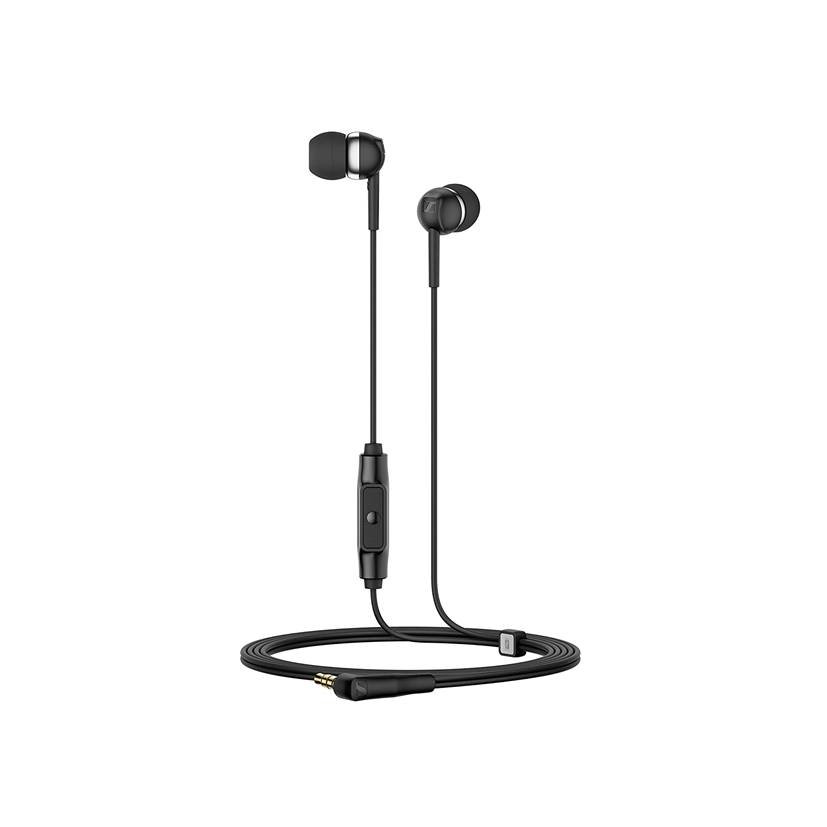
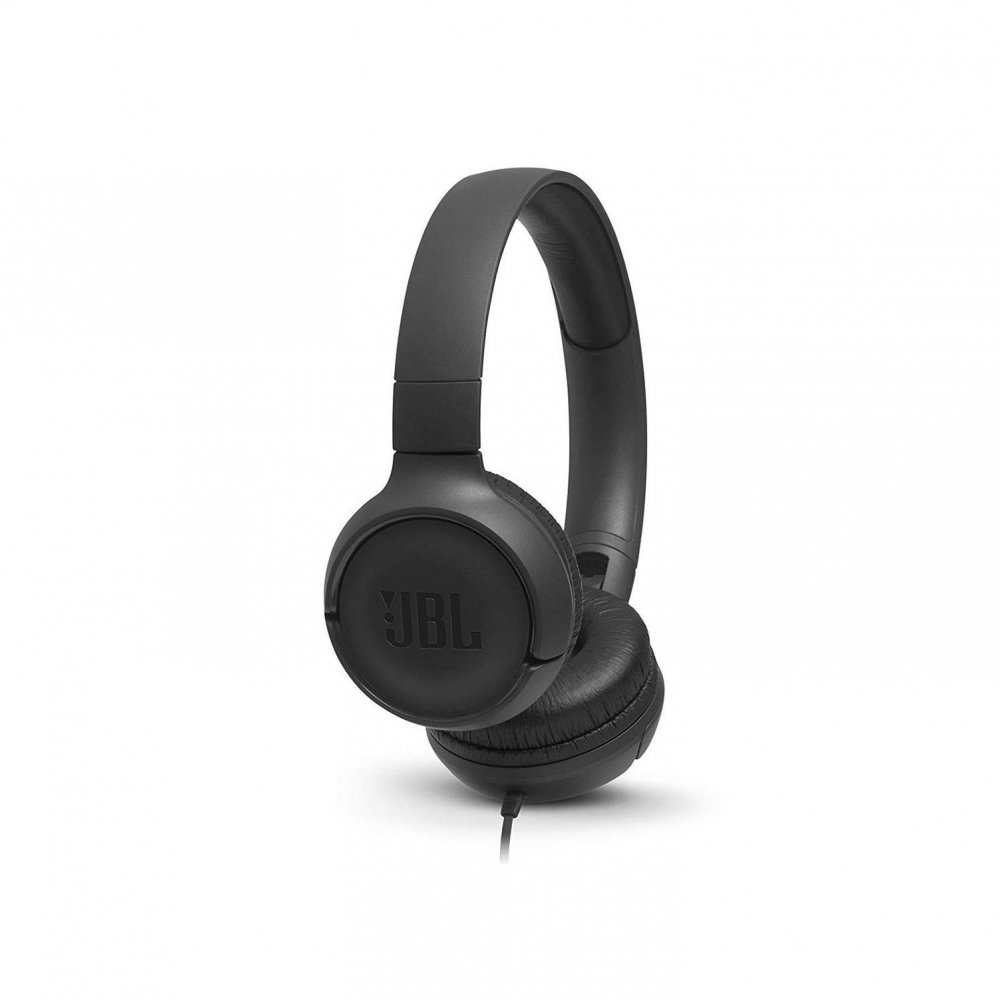
| Specification | ||
|---|---|---|
| Price | Rs.1,990.00 |
Rs.1,999.00 |
| Brand | Sennheiser |
JBL |
| Model No | CX 80S |
TUNE 500 |
| Wired / Wireless | Wired Headphone Specification |
Wired Headphone Specification |
| Headphone Type | In Ear Canal |
On Ear |
| Magnet Type | Dynamic |
Dynamic |
| Driver Diameter | NA |
32 mm |
| Impedance | 28 ohm |
32 ohm |
| Sensitivity | 119 dB SPL |
24dBV/1mW |
| Frequency Response | 17 Hz - 20000 Hz |
20 Hz - 20000 kHz |
| Maximum Power Input | NA |
NA |
| Noise Cancelling | AMBIENT |
NA |
| Available Colors | Black |
Black, White, Blue |
| Connector Plating | 3.5 mm Angled |
3.5 mm |
| Cable | Tangle- Free Flat Cable |
Tangle- Free Flat Cable |
| Weight | 10 Gm |
148.0 gm |
| Other Features | Call & music management via smart remote. 3 ear tip sizes for excellent fit and perfect ambient noise isolation. Uncompressed and balanced Sennheiser sound for a unique listening experience. |
JBL Pure Bass Sound. Tangle-free fl at cable. Ask Siri or Google Now. One button remote/mic. Lightweight and foldable design. The JBL TUNE500 delivers quality, powerful sound to spark up your day. |
Advertisement
Compare Sennheiser CX 80S with:
Top Differences
- Noise Cancelling: NA vs AMBIENT
- Driver Size: 32 mm vs NA
- Weight: 148.0 gm vs 10 Gm
- Impedance: 32 ohm Vs 28 ohm
Advertisement