 ALERT
ALERT
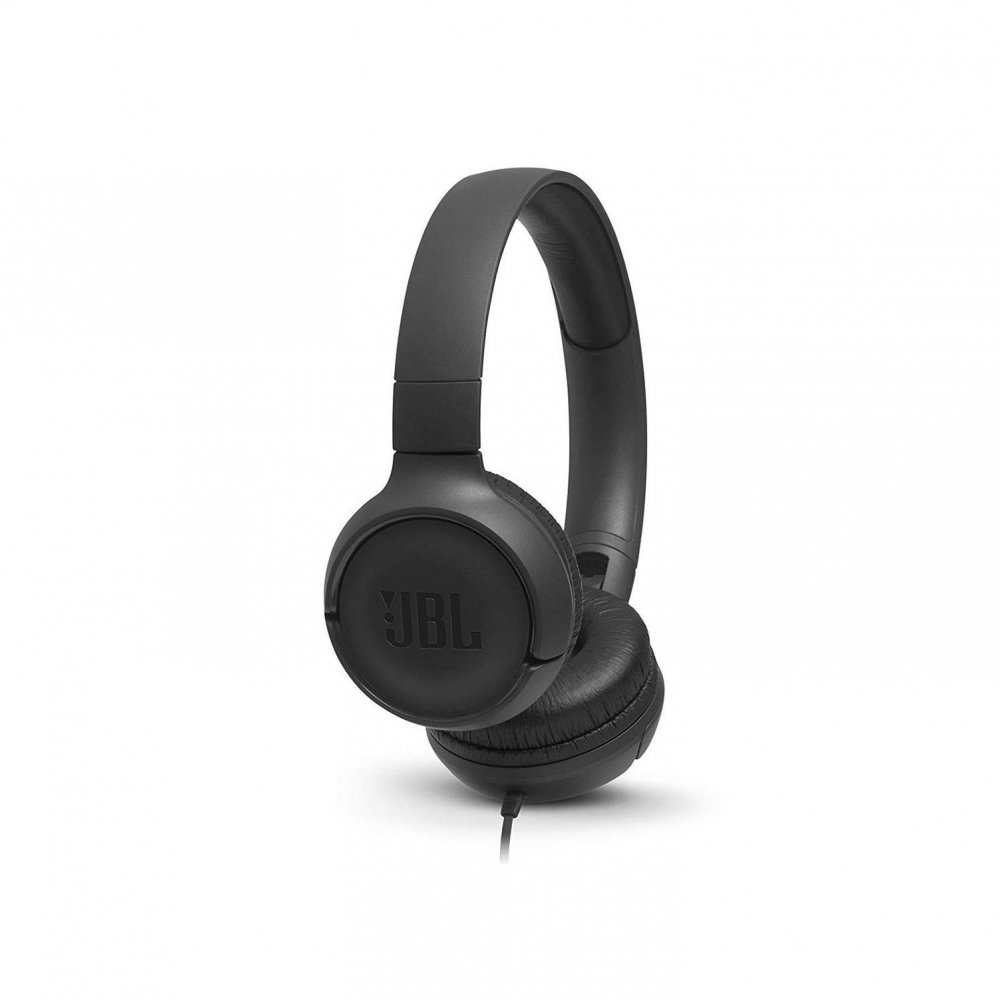
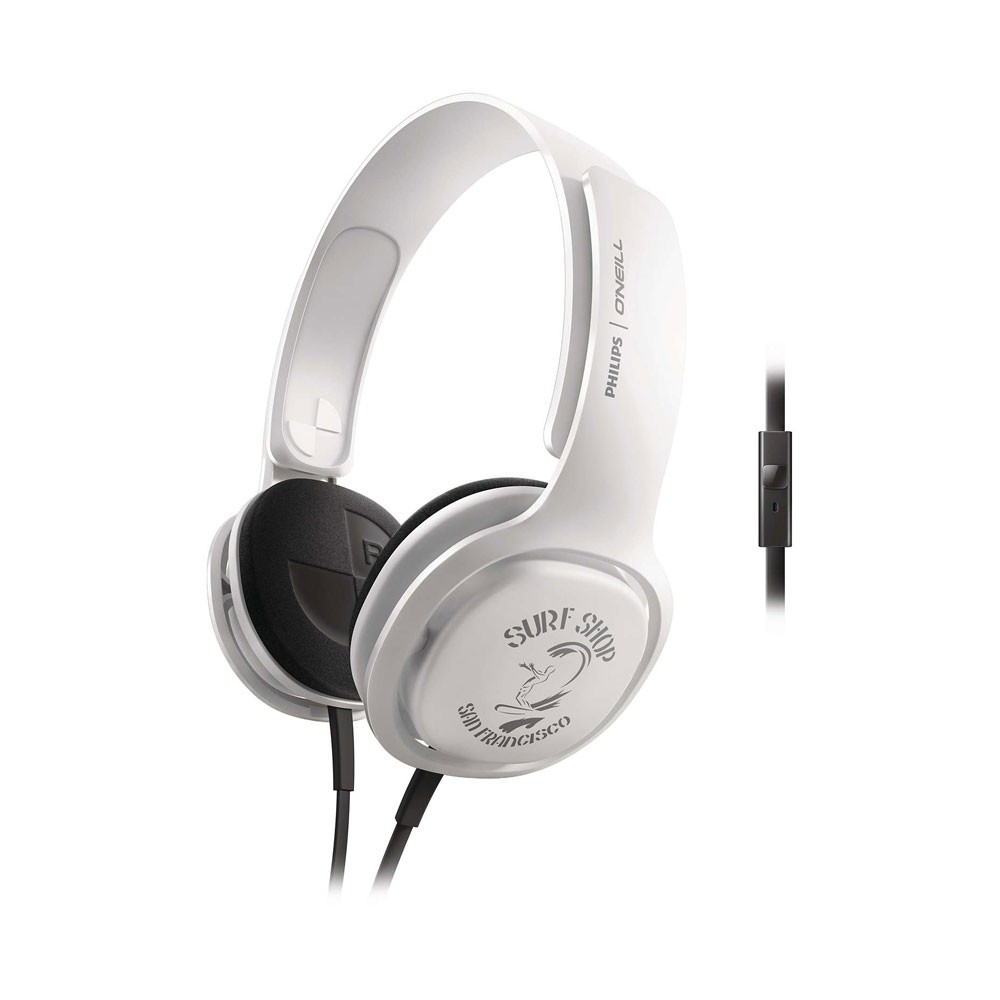
JBL TUNE 500 vs Philips SHO3305STKR-00
Advertisement
| Specification | ||
|---|---|---|
| Price | Rs.1,999.00 |
Rs.1,999.00 |
| Brand | JBL |
Philips |
| Model No | TUNE 500 |
SHO3305STKR-00 |
| Wired / Wireless | Wired Headphone Specification |
Wired Headphone Specification |
| Headphone Type | On Ear |
On Ear |
| Magnet Type | Dynamic |
Neodymium |
| Driver Diameter | 32 mm |
32 mm |
| Impedance | 32 ohm |
32 Ohms |
| Sensitivity | 24dBV/1mW |
104 dB/mW |
| Frequency Response | 20 Hz - 20000 kHz |
19 Hz -21000 Hz |
| Maximum Power Input | NA |
30 mW |
| Noise Cancelling | NA |
NA |
| Available Colors | Black, White, Blue |
White |
| Connector Plating | 3.5 mm |
3.5 mm Silver Plated Jack |
| Cable | Tangle- Free Flat Cable |
1.2 m |
| Weight | 148.0 gm |
233 g |
| Other Features | JBL Pure Bass Sound. Tangle-free fl at cable. Ask Siri or Google Now. One button remote/mic. Lightweight and foldable design. The JBL TUNE500 delivers quality, powerful sound to spark up your day. |
- Incredibly Explosive, lifelike Bass - 32mm Neodymium Drivers Deliver Dynamic Larger-Than-Life Bass - Quickly Flip from Music to Calls via a Built-In Mic & Remote - L-Shape Connector to Enhances Cable Durability and Lifespan - Soft, breathable fabric cushions ensure long wearing comfort - Comfortable Headband Easily Adjusts To Every Head Size - Robust, Modular Design Van Withstand the Toughest Impact - Earcans simply pop off if excessive force is applied |
Advertisement
Compare JBL TUNE 500 with:
Compare Philips SHO3305STKR-00 with:
Top Differences
- Weight: 233 g vs 148.0 gm
- Impedance: 32 Ohms Vs 32 ohm
Advertisement