 ALERT
ALERT
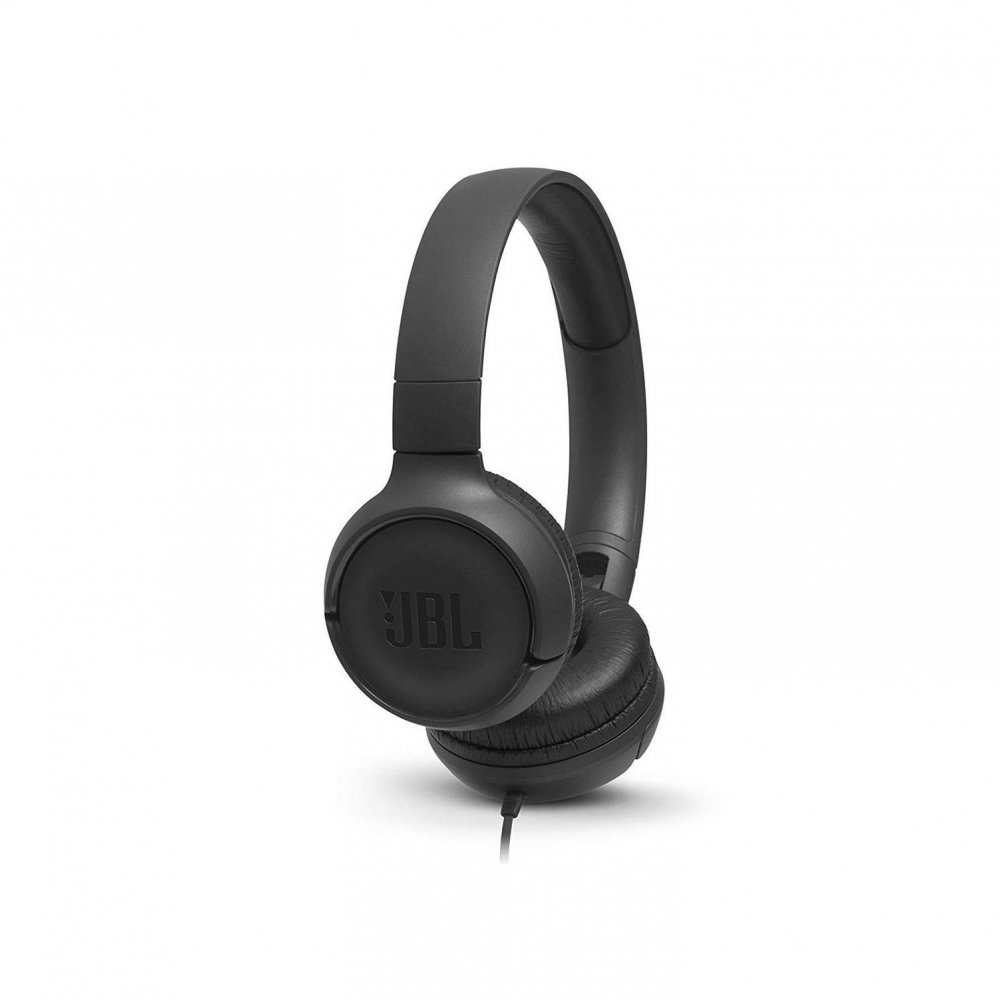
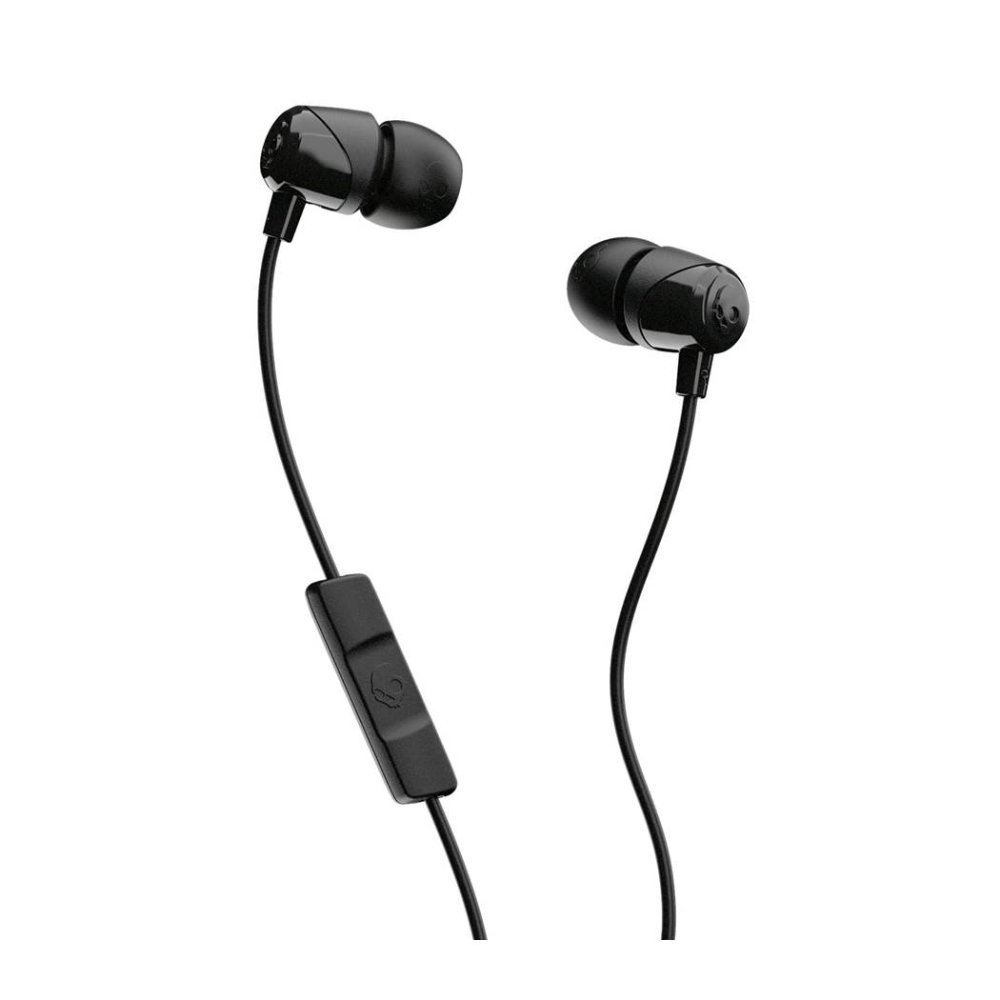
JBL TUNE 500 vs Skullcandy JIB Earbuds With Microphone
Advertisement
| Specification | ||
|---|---|---|
| Price | Rs.1,999.00 |
Rs.1,999.00 |
| Brand | JBL |
Skullcandy |
| Model No | TUNE 500 |
JIB Earbuds With Microphone |
| Wired / Wireless | Wired Headphone Specification |
Wired Headphone Specification |
| Headphone Type | On Ear |
In Ear |
| Magnet Type | Dynamic |
Dynamic |
| Driver Diameter | 32 mm |
9 mm |
| Impedance | 32 ohm |
16 ±15% Ohms |
| Sensitivity | 24dBV/1mW |
95dB ± 3dB |
| Frequency Response | 20 Hz - 20000 kHz |
20Hz - 20KHz |
| Maximum Power Input | NA |
10 mW |
| Noise Cancelling | NA |
Sound Isolation |
| Available Colors | Black, White, Blue |
Black, White, Blue, Red, Grey |
| Connector Plating | 3.5 mm |
3.5 mm Jack |
| Cable | Tangle- Free Flat Cable |
Tangle Free Cable |
| Weight | 148.0 gm |
37 GM |
| Other Features | JBL Pure Bass Sound. Tangle-free fl at cable. Ask Siri or Google Now. One button remote/mic. Lightweight and foldable design. The JBL TUNE500 delivers quality, powerful sound to spark up your day. |
Durable. Stability. High Quality. Noise Isolating Fit. Transforms music and movies in a way that makes you feel like you're there. |
Advertisement
Compare JBL TUNE 500 with:
Compare Skullcandy JIB Earbuds With Microphone with:
Top Differences
- Noise Cancelling: NA vs Sound Isolation
- Driver Size: 32 mm vs 9 mm
- Weight: 148.0 gm vs 37 GM
- Impedance: 32 ohm Vs 16 ±15% Ohms
Advertisement