 ALERT
ALERT
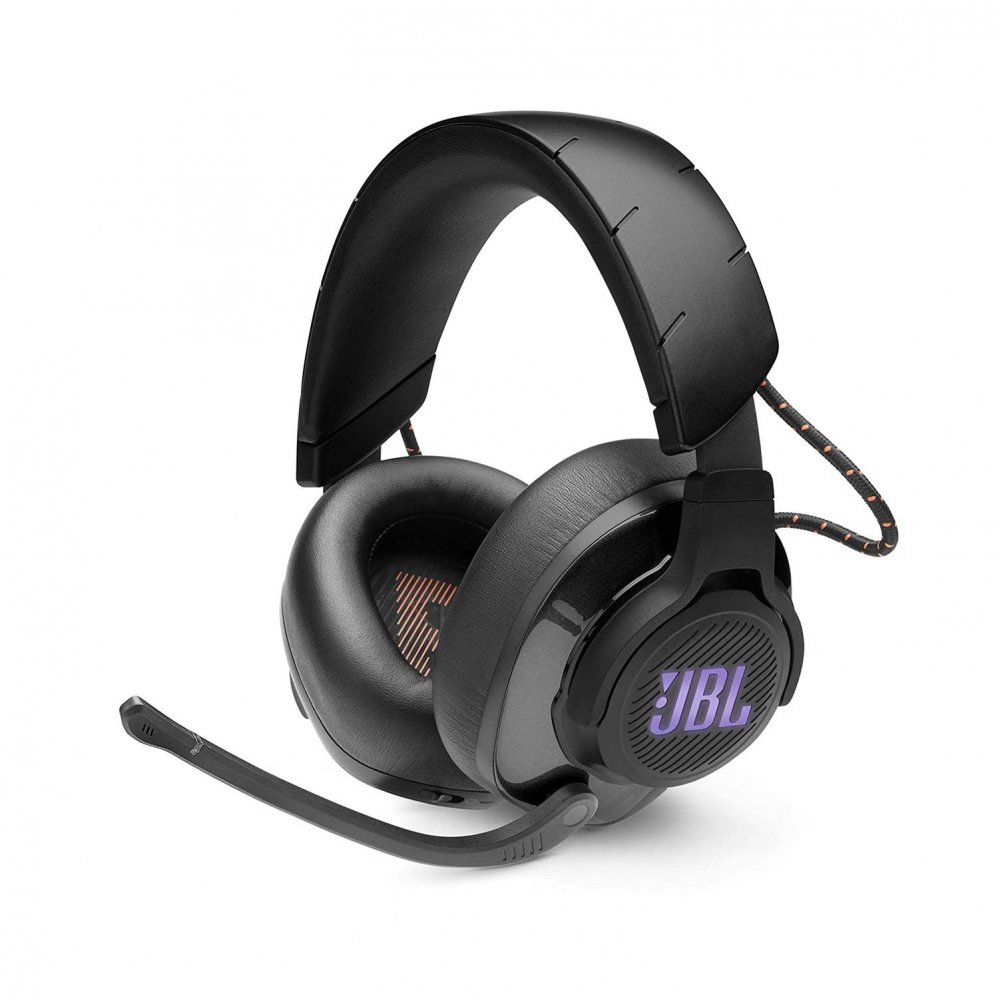
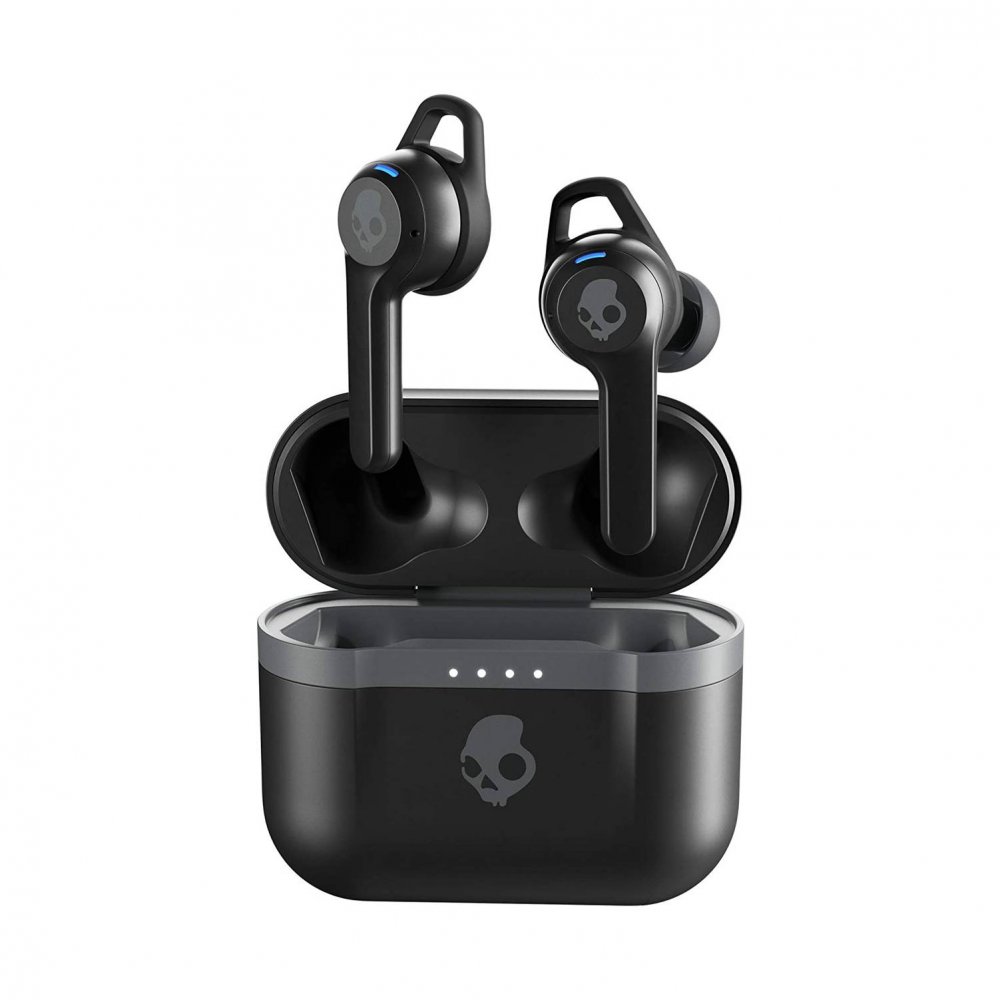
JBL Quantum 600 vs Skullcandy Indy Evo
Advertisement
| Specification | ||
|---|---|---|
| Price | Rs.12,999.00 |
Rs.12,999.00 |
| Brand | JBL |
Skullcandy |
| Model No | Quantum 600 |
Indy Evo |
| Wired / Wireless | Wireless Headphone Specification |
Wireless Headphone Specification |
| Headphone Type | Over Ear |
In Ear |
| Magnet Type | Dynamic |
Dynamic |
| Driver Diameter | 50 mm |
6 mm |
| Impedance | 32 ohm |
32 Ohm±15% |
| Sensitivity | 100dB/1mW |
99-105dB |
| Frequency Response | 20 Hz - 20000 Hz |
20 Hz - 20000 Hz |
| Maximum Power Input | 30 mW |
NA |
| Wireless / Bluetooth Details | ||
| Wireless Technology | Bluetooth |
Bluetooth |
| Bluetooth Version | 4.0 |
5.0 |
| Compatible Profiles | All Bluetooth Devices |
All Bluetooth Devices |
| Supported Codecs | π/4-DQPSK |
HSP, HFP, AVRCP, A2DP |
| Battery Type | Li-ion battery |
Lithium Polymer Batteries |
| Bluetooth Range | 10 Meters |
10 Meters |
| Battery Life | 14 Hours |
30 Hours |
| Charging Time | 2 Hours |
2 Hours |
| Noise Cancelling | NA |
Ambient |
| Available Colors | Black |
Black, Blue, Red, Green, Grey, Yellow, Orange |
| Connector Plating | 3.5 mm |
NA |
| Cable | Type-C Cable |
Type-C USB Charging Cable |
| Weight | 346 gm |
57 gm |
| Other Features | Be at the center of the game with JBL Quantum SOUND Signature. RGB Effects Tuner to create your own lighting effects. JBL Quantum Surround with DTS Headphone X 2.0 providing Immersive Surround Sound Experience. Lossless 2.4GHz Wireless headset with 14 Hours Battery Life & 2 Hours Charging time. DISCORD Certified game-chat balance dial supports you with Separate Sound cards for game and Chat audio. Compatible with all gaming platforms including PC gaming, Xbox, PlayStation, Nintendo, Switch, Mobile, Mac and VR. User friendly JBL Quantum Engine PC software customization suite for Different user profiles & Microphone Setting modifications. Lightweight and durable headband with Leather wrapped detachable memory foam cushioning. 1 year manufacturer’s warranty. |
Use Either Bud Solo. Find your Earbuds with Tileâ„¢. 3 EQ Modes ( Music, Movie, Podcast ). IP55 Sweat, Water and Dust Resistant. 30 Hours Total Battery + Rapid Charge. Call, Track and Volume via Touch Controls. Indy Evo earbuds are resistant to water, sweat and dust. Download the Tile app and follow the instructions to activate. |
Advertisement
Compare JBL Quantum 600 with:
Compare Skullcandy Indy Evo with:
Top Differences
- Battery Life: 14 Hours vs 30 Hours
- Noise Cancelling: NA vs Ambient
- Driver Size: 50 mm vs 6 mm
- Bluetooth: 4.0 vs 5.0
- Weight: 346 gm vs 57 gm
Advertisement