 ALERT
ALERT
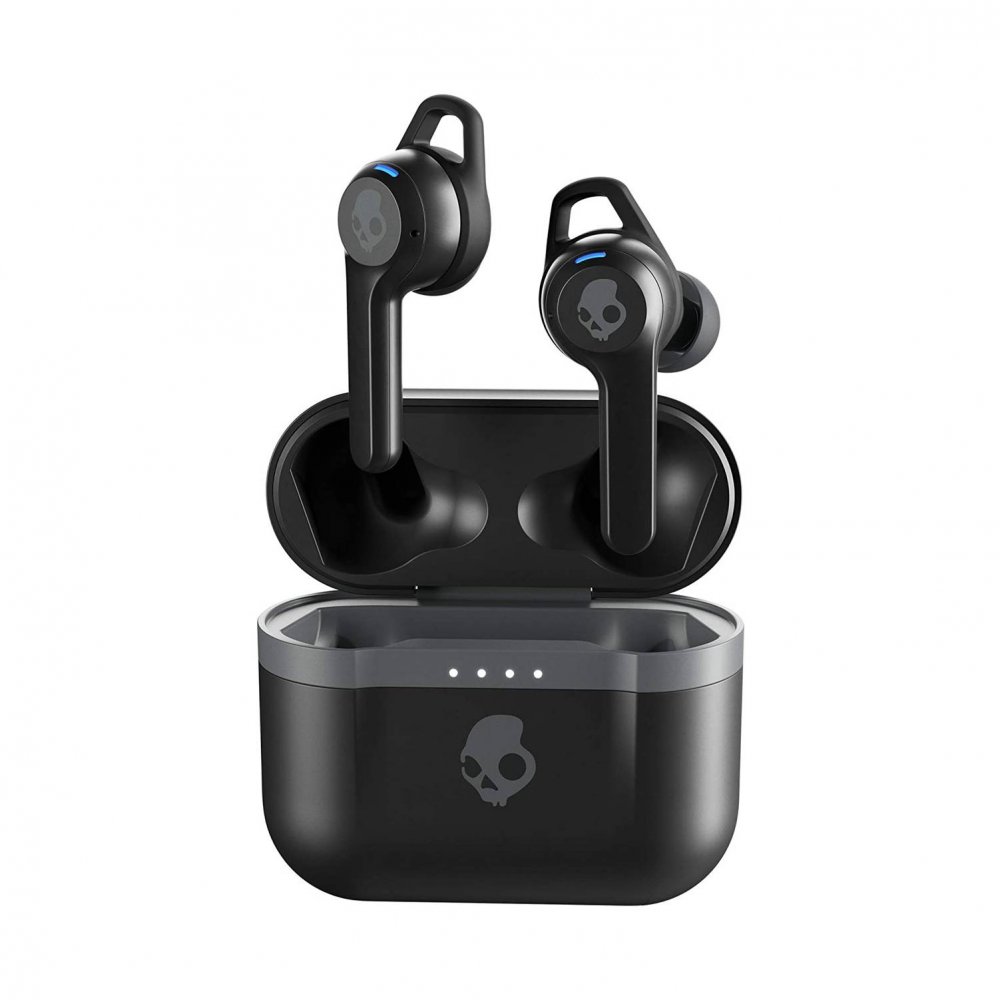
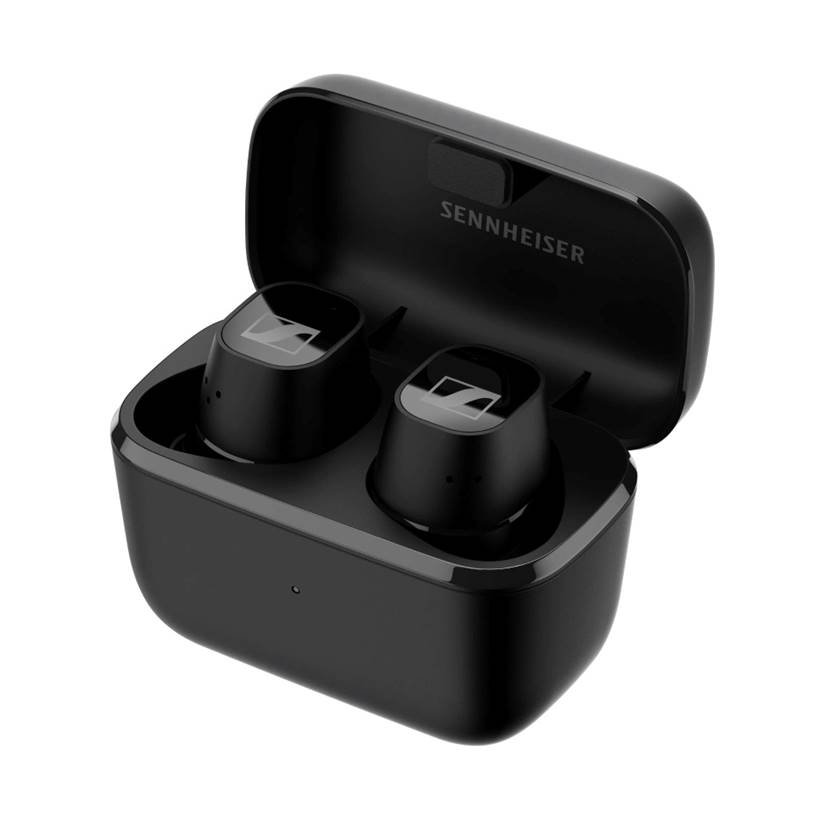
Skullcandy Indy Evo vs Sennheiser CX Plus True Wireless
Advertisement
| Specification | ||
|---|---|---|
| Price | Rs.12,999.00 |
Rs.12,990.00 |
| Brand | Skullcandy |
Sennheiser |
| Model No | Indy Evo |
CX Plus True Wireless |
| Wired / Wireless | Wireless Headphone Specification |
Wireless Headphone Specification |
| Headphone Type | In Ear |
In Ear Canal |
| Magnet Type | Dynamic |
Dynamic |
| Driver Diameter | 6 mm |
7 mm |
| Impedance | 32 Ohm±15% |
NA |
| Sensitivity | 99-105dB |
114 dB SPL |
| Frequency Response | 20 Hz - 20000 Hz |
5 Hz - 21000 Hz |
| Maximum Power Input | NA |
10 mW |
| Wireless / Bluetooth Details | ||
| Wireless Technology | Bluetooth |
Bluetooth |
| Bluetooth Version | 5.0 |
5.2 |
| Compatible Profiles | All Bluetooth Devices |
All Bluetooth Devices |
| Supported Codecs | HSP, HFP, AVRCP, A2DP |
HFP, AVRCP, A2DP, aptX®, aptX adaptive®, AAC, SBC |
| Battery Type | Lithium Polymer Batteries |
Lithium-Ion Batteries |
| Bluetooth Range | 10 Meters |
10 Meters |
| Battery Life | 30 Hours |
24 Hours |
| Charging Time | 2 Hours |
1.5 Hours |
| Noise Cancelling | Ambient |
ANC |
| Available Colors | Black, Blue, Red, Green, Grey, Yellow, Orange |
Black, White |
| Connector Plating | NA |
NA |
| Cable | Type-C USB Charging Cable |
USB Type-C Charging Cable |
| Weight | 57 gm |
37 Gm |
| Other Features | Use Either Bud Solo. Find your Earbuds with Tileâ„¢. 3 EQ Modes ( Music, Movie, Podcast ). IP55 Sweat, Water and Dust Resistant. 30 Hours Total Battery + Rapid Charge. Call, Track and Volume via Touch Controls. Indy Evo earbuds are resistant to water, sweat and dust. Download the Tile app and follow the instructions to activate. |
Personalized controls. IPX4 splash resistance. Up to 24 hours play time. Sennheiser signature sound. 10 min charging 1 hours music playtime. Active Noise Cancellation & Transparent Hearing. Get into the groove with the adjustable Bass Boost, even in the rain. IPX4 splash resistance for trouble-free use while travelling, commuting or exercising. 4 sizes of ear adapters for the perfect fit, customizable touch controls for the perfect settings Immerse yourself with Active Noise Cancellation or stay in control with the Transparent Hearing mode. Enjoy Active Noise Cancellation, superb ergonomic design and intuitive controls, plus up to 24 hours of play time. |
Advertisement
Compare Skullcandy Indy Evo with:
Compare Sennheiser CX Plus True Wireless with:
Top Differences
- Battery Life: 30 Hours vs 24 Hours
- Noise Cancelling: Ambient vs ANC
- Driver Size: 6 mm vs 7 mm
- Bluetooth: 5.0 vs 5.2
- Weight: 57 gm vs 37 Gm
Advertisement