 ALERT
ALERT
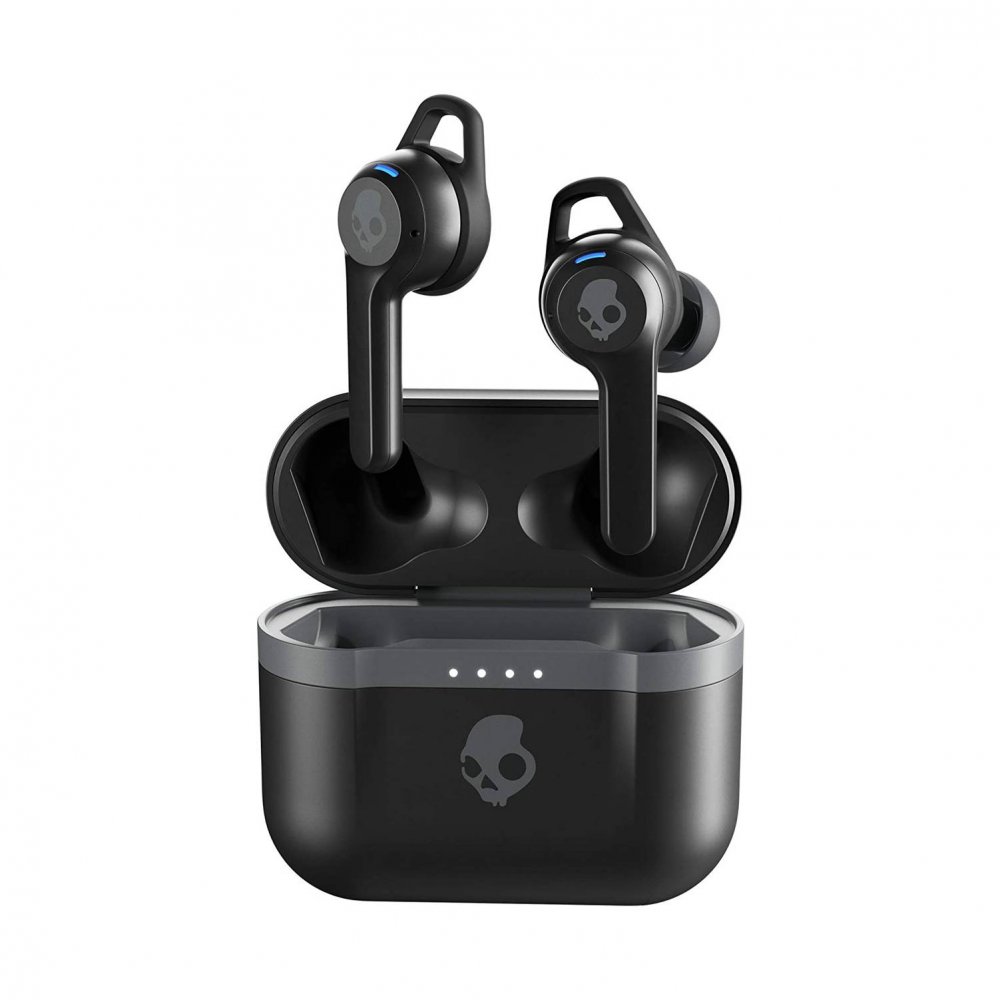
Skullcandy Indy Evo vs JBL Live Pro 2 TWS
Advertisement
| Specification | ||
|---|---|---|
| Price | Rs.12,999.00 |
Rs.12,999.00 |
| Brand | Skullcandy |
JBL |
| Model No | Indy Evo |
Live Pro 2 TWS |
| Wired / Wireless | Wireless Headphone Specification |
Wireless Headphone Specification |
| Headphone Type | In Ear |
In Ear |
| Magnet Type | Dynamic |
Dynamic |
| Driver Diameter | 6 mm |
11 mm |
| Impedance | 32 Ohm±15% |
16 Ohm |
| Sensitivity | 99-105dB |
105 dB SPL |
| Frequency Response | 20 Hz - 20000 Hz |
20 Hz - 20000 Hz |
| Maximum Power Input | NA |
5 V / 1A |
| Wireless / Bluetooth Details | ||
| Wireless Technology | Bluetooth |
Bluetooth |
| Bluetooth Version | 5.0 |
5.2 |
| Compatible Profiles | All Bluetooth Devices |
All Bluetooth Devices |
| Supported Codecs | HSP, HFP, AVRCP, A2DP |
A2DP, AVRCP,HFP |
| Battery Type | Lithium Polymer Batteries |
Lithium-ion Batteries |
| Bluetooth Range | 10 Meters |
10 Meters |
| Battery Life | 30 Hours |
10 / 40 Hours |
| Charging Time | 2 Hours |
2 Hours |
| Noise Cancelling | Ambient |
Adaptive NC |
| Available Colors | Black, Blue, Red, Green, Grey, Yellow, Orange |
Black, White, Blue, Pink |
| Connector Plating | NA |
NA |
| Cable | Type-C USB Charging Cable |
USB Type-C Charging Cable |
| Weight | 57 gm |
48.4 Gm |
| Other Features | Use Either Bud Solo. Find your Earbuds with Tileâ„¢. 3 EQ Modes ( Music, Movie, Podcast ). IP55 Sweat, Water and Dust Resistant. 30 Hours Total Battery + Rapid Charge. Call, Track and Volume via Touch Controls. Indy Evo earbuds are resistant to water, sweat and dust. Download the Tile app and follow the instructions to activate. |
IPX5 water resistant. JBL Signature Sound. JBL Headphones App. Touch & voice control. 6 mics for perfect calls with zero noise. Dual Connect & Sync with Multi-Point Connection. True Adaptive Noise Cancelling with Smart Ambient. 40 (10+30) hours of playback with wireless charging. Oval TubesTM for better comfort, isolation and bass. Just 15 minutes of Speed Charge gives you another four hours of playtime—fast. Nothing beats incredibly clear music and calls from 11mm dynamic drivers powered by JBL Signature Sound. |

Advertisement
Compare Skullcandy Indy Evo with:
Compare JBL Live Pro 2 TWS with:
Top Differences
- Battery Life: 30 Hours vs 10 / 40 Hours
- Noise Cancelling: Ambient vs Adaptive NC
- Driver Size: 6 mm vs 11 mm
- Bluetooth: 5.0 vs 5.2
- Weight: 57 gm vs 48.4 Gm
Advertisement