 ALERT
ALERT
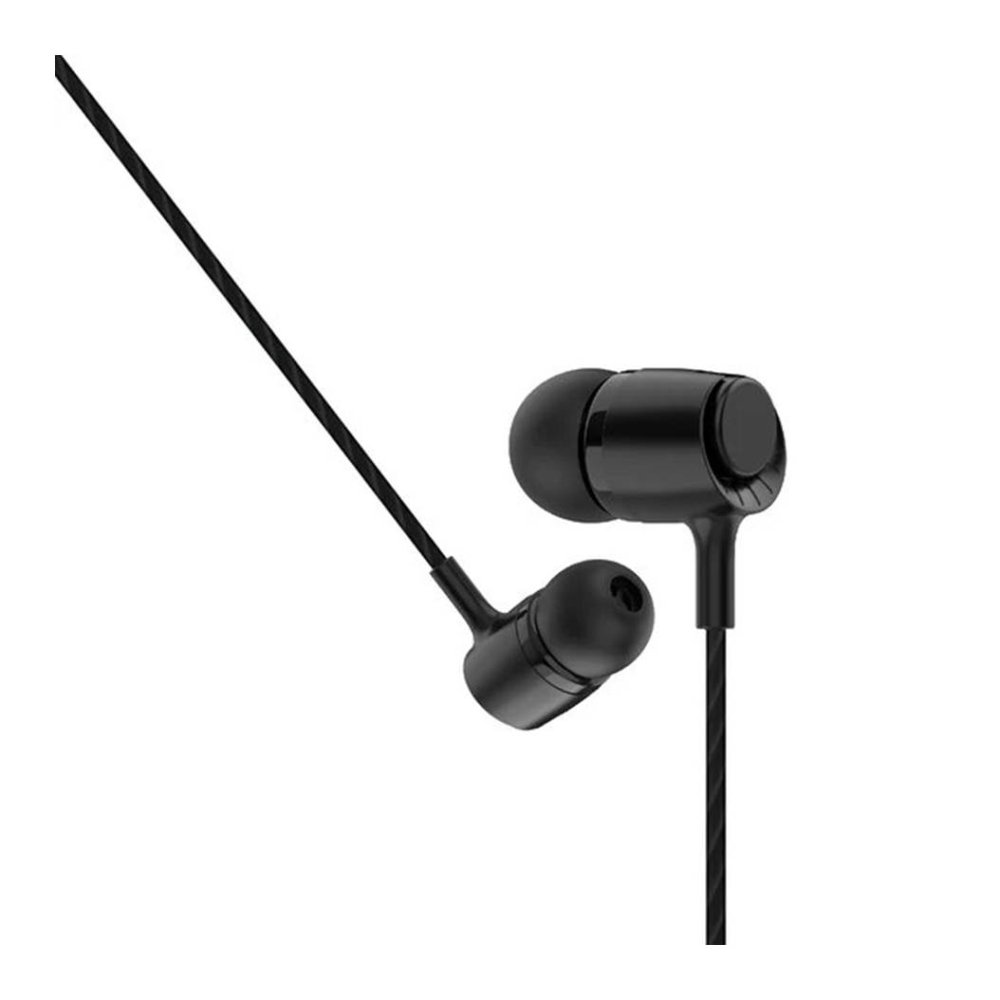
Unix R55 vs Unix R11
Advertisement
| Specification | ||
|---|---|---|
| Price | Rs.149.00 |
Rs.199.00 |
| Brand | Unix |
Unix |
| Model No | R55 |
R11 |
| Wired / Wireless | Earphone Specification |
Earphone Specification |
| Headphone Type | In Ear |
In Ear |
| Magnet Type | Dynamic |
Dynamic |
| Driver Diameter | 10 mm |
12.5 mm |
| Impedance | 10 Ohms |
340 Ohms |
| Sensitivity | 45 dBmW |
50 dBmW |
| Frequency Response | 20Hz - 20KHz |
20Hz - 20KHz |
| Maximum Power Input | 5mW |
5mW |
| Noise Cancelling | NA |
NA |
| Available Colors | Black |
Black, White, Grey |
| Connector Plating | 3.5 mm Gold-Plated |
3.5 mm Gold-Plated |
| Cable | Tangle-Free Cable |
Tangle-Free Cable |
| Weight | 100 GM |
80 GM |
| Other Features | In-Line Mic for Calls : Hands-free calling with ease. Lightweight & Comfortable : Perfect for all-day use. Trendy Packaging : Stylish and gift-ready presentation. Hi-Fi Stereo Quality : Crisp, clear, and dynamic sound output. Super Bass Sound : Powerful and immersive music experience. Universal Compatibility : Works with all devices via 3.5mm jack. Upgrade your audio experience with the UNIX R55 Wired Earphones, designed for deep bass lovers and crystal-clear sound enthusiasts. The Hi-Fi stereo sound delivers an immersive experience, while the sound-isolating technology ensures you enjoy your music without distractions. |
Tap to Control : Manage music & calls effortlessly. 3.5mm Angled Jack : Secure & durable connection. Ergonomic Fit : Comfortable design for all-day wear. Sleek & Stylish : A design that complements your vibe. Perfect-Length Cable : Hassle-free movement on the go. Immersive Sound : Crystal-clear audio for music, calls & gaming. Let go of all your troubles and immerse yourself in pure sound with the UNIX R11 Wired Earphones. Designed for music lovers and audiophiles, these earphones offer crystal-clear audio, seamless call control, and an ergonomic design for all-day comfort. The 3.5mm angled jack ensures a secure connection, while the perfect-length cable gives you the freedom to move effortlessly through your day. With just a tap, control your music, take calls, and stay in the moment. Whether you're commuting, working, or strolling through the city, UNIX R11 keeps you connected to your vibe. |

Advertisement
Compare Unix R55 with:
Compare Unix R11 with:
Top Differences
- Driver Size: 10 mm vs 12.5 mm
- Weight: 100 GM vs 80 GM
- Impedance: 10 Ohms Vs 340 Ohms
Advertisement