 ALERT
ALERT
Advertisement
| Specification | ||
|---|---|---|
| Price | Rs.2,999.00 |
Rs.2,900.00 |
| Brand | Skullcandy |
Sennheiser |
| Model No | Riff On-Ear Headphones |
HD 219 |
| Wired / Wireless | Wired Headphone Specification |
Wired Headphone Specification |
| Headphone Type | On Ear |
On Ear |
| Magnet Type | Dynamic |
Neodymium |
| Driver Diameter | 40 mm |
NA |
| Impedance | 32 Ohm |
16 Ohms |
| Sensitivity | 98dB |
108 dB/mW |
| Frequency Response | 20 Hz - 20000 Hz |
19 Hz-21,000 Hz |
| Maximum Power Input | 1 mW |
NA |
| Noise Cancelling | NA |
NA |
| Available Colors | Black, White, Blue, Red, Green, Grey |
Black |
| Connector Plating | 3.5 mm |
3.5 mm Gold Plated Jack |
| Cable | Tangle Resistant Cable |
1.4 mm |
| Weight | 151 gm |
91.7 g |
| Other Features | Refined Acoustics. Built-in Microphone. Call and Track Control. Ultra-Durable Headband. Lightweight and Comfortable. Collapsible, Flat-Folding Design |
- Powerful neodymium magnets for stereo sound with powerful bass - Closed on-ear headphone design blocks outside noise - Optimised for portable audio including MP3, CD players, iPad, iPod and iPhone (iPad, iPhone and iPod are trademarks of Apple Inc., registered in the U.S. and other countries.) - 2-year warranty |
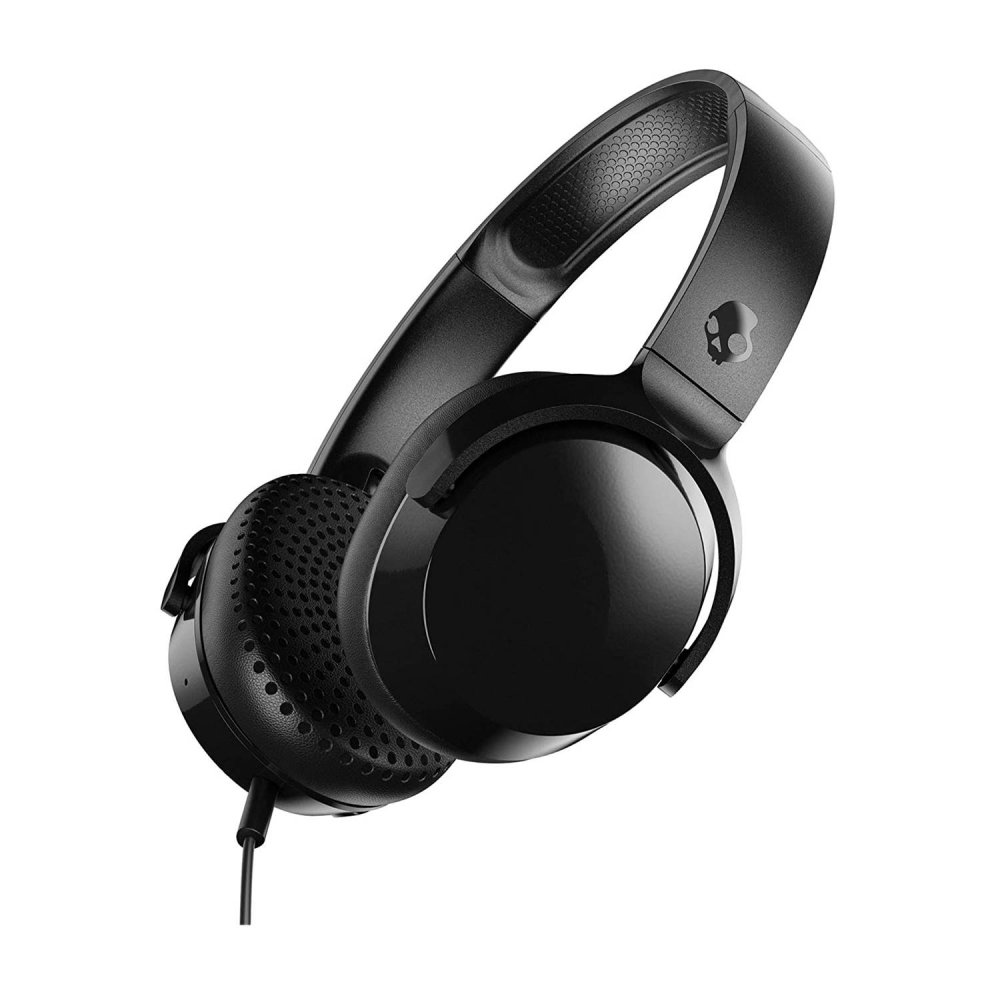
Advertisement
Compare Skullcandy Riff On-Ear Headphones with:
Compare Sennheiser HD 219 with:
Top Differences
- Driver Size: NA vs 40 mm
- Weight: 91.7 g vs 151 gm
- Impedance: 16 Ohms Vs 32 Ohm
Advertisement