 ALERT
ALERT
Skullcandy Riff On-Ear Headphones vs Philips TAH3155BK/97
Advertisement
| Specification | ||
|---|---|---|
| Price | Rs.2,999.00 |
Rs.3,000.00 |
| Brand | Skullcandy |
Philips |
| Model No | Riff On-Ear Headphones |
TAH3155BK/97 |
| Wired / Wireless | Wired Headphone Specification |
Wired Headphone Specification |
| Headphone Type | On Ear |
On Ear |
| Magnet Type | Dynamic |
Neodymium |
| Driver Diameter | 40 mm |
32 mm |
| Impedance | 32 Ohm |
32 ohm |
| Sensitivity | 98dB |
106 dB |
| Frequency Response | 20 Hz - 20000 Hz |
20 Hz - 20000 kHz |
| Maximum Power Input | 1 mW |
40 mW |
| Noise Cancelling | NA |
Passive |
| Available Colors | Black, White, Blue, Red, Green, Grey |
Black |
| Connector Plating | 3.5 mm |
3.5 mm stereo Chrome-Plated Jack |
| Cable | Tangle Resistant Cable |
Tangle Resistant Cable |
| Weight | 151 gm |
132 gm |
| Other Features | Refined Acoustics. Built-in Microphone. Call and Track Control. Ultra-Durable Headband. Lightweight and Comfortable. Collapsible, Flat-Folding Design |
Powerful 32 mm neodymium drivers. Inward folding design for easy portability. Inline remote. Easily control music and calls. Lightweight, adjustable cushioned headband. Great sound isolation from the closed-back design. • Soft ear cups that can be angled for maximum comfort. USB in cable with computer firmware as professional headset. |
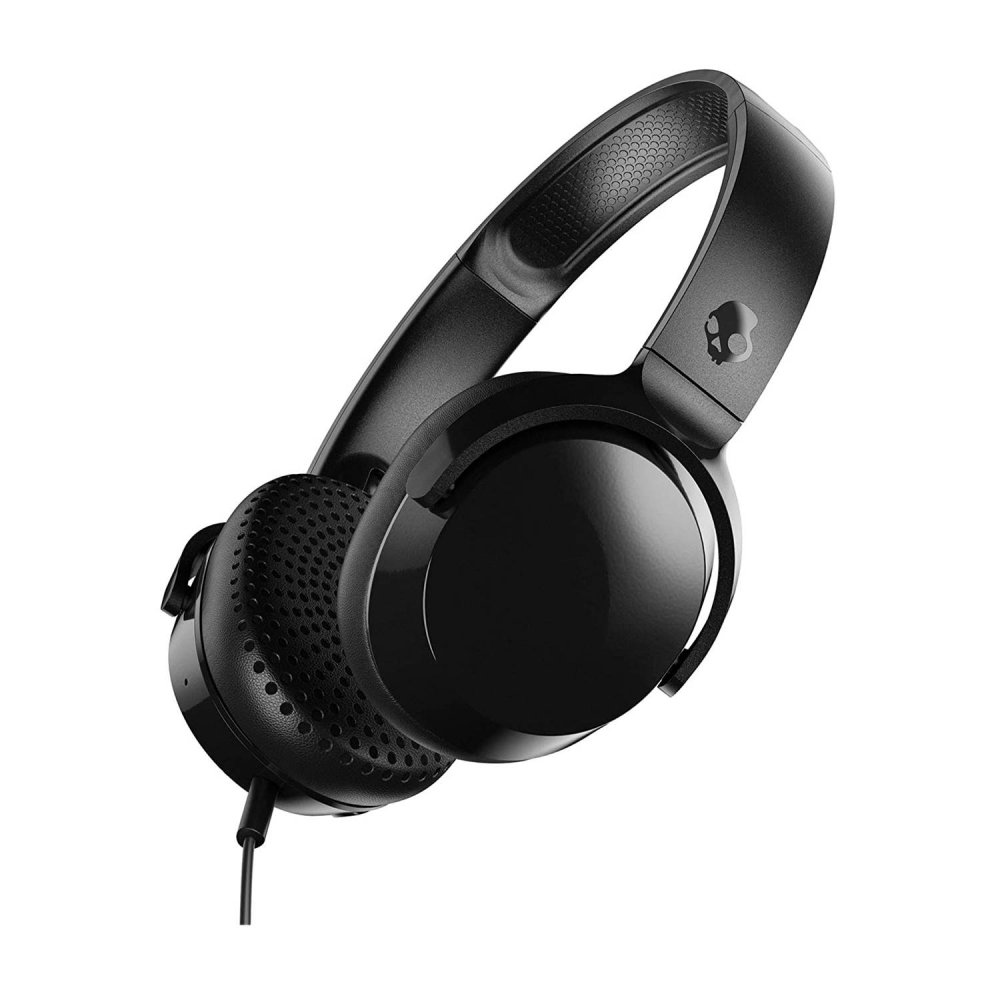
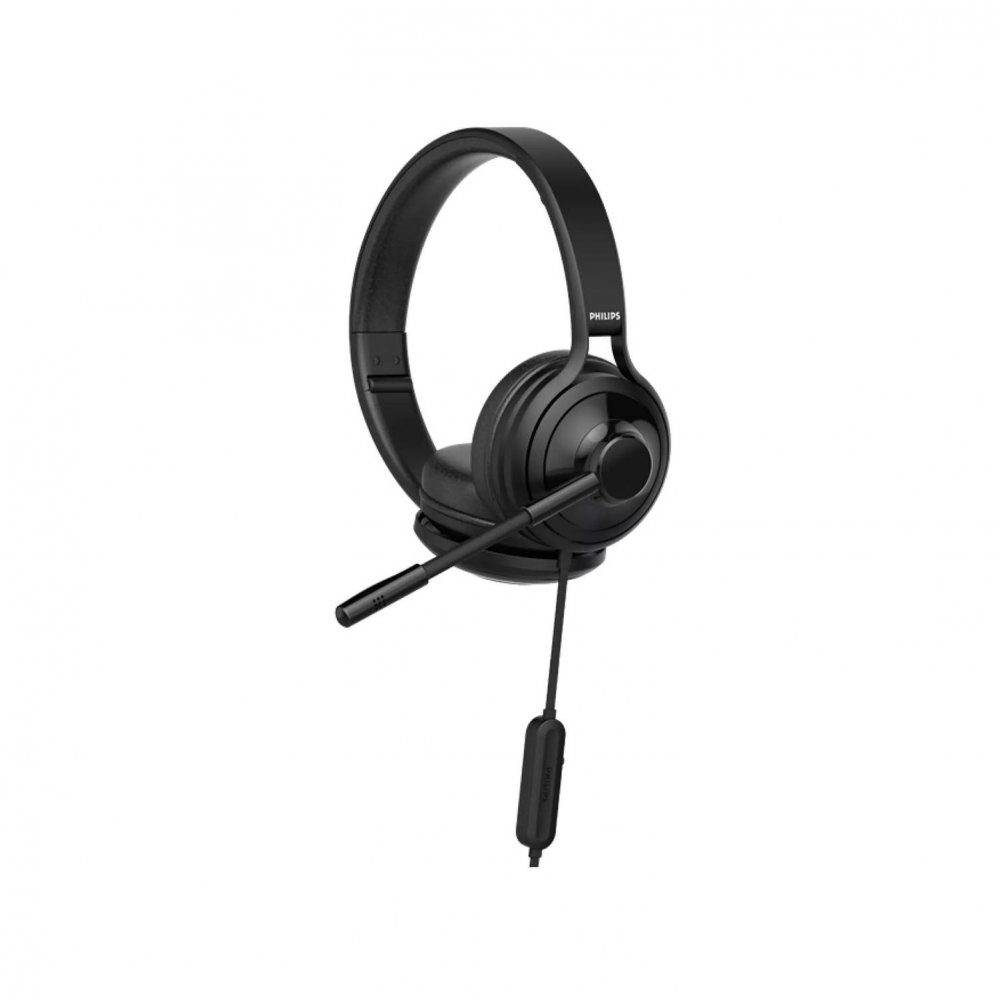
Advertisement
Compare Skullcandy Riff On-Ear Headphones with:
Compare Philips TAH3155BK/97 with:
Top Differences
- Noise Cancelling: Passive vs NA
- Driver Size: 32 mm vs 40 mm
- Weight: 132 gm vs 151 gm
Advertisement