 ALERT
ALERT
Skullcandy Indy Evo vs LG TONE-TF7Q
Advertisement
| Specification | ||
|---|---|---|
| Price | Rs.12,999.00 |
Rs.12,989.00 |
| Brand | Skullcandy |
LG |
| Model No | Indy Evo |
TONE-TF7Q |
| Wired / Wireless | Wireless Headphone Specification |
Wireless Headphone Specification |
| Headphone Type | In Ear |
In Ear Canal |
| Magnet Type | Dynamic |
Dynamic |
| Driver Diameter | 6 mm |
6 mm |
| Impedance | 32 Ohm±15% |
NA |
| Sensitivity | 99-105dB |
NA |
| Frequency Response | 20 Hz - 20000 Hz |
20 Hz - 20,000 Hz |
| Maximum Power Input | NA |
NA |
| Wireless / Bluetooth Details | ||
| Wireless Technology | Bluetooth |
Bluetooth |
| Bluetooth Version | 5.0 |
5.3 |
| Compatible Profiles | All Bluetooth Devices |
All Bluetooth Devices |
| Supported Codecs | HSP, HFP, AVRCP, A2DP |
SBC, AAC |
| Battery Type | Lithium Polymer Batteries |
Lithium- Ion Batteries |
| Bluetooth Range | 10 Meters |
10 Meters |
| Battery Life | 30 Hours |
6 / 10 / 18 / 30 Hours |
| Charging Time | 2 Hours |
2 Hours |
| Noise Cancelling | Ambient |
Hybrid ANC |
| Available Colors | Black, Blue, Red, Green, Grey, Yellow, Orange |
Black, Blue |
| Connector Plating | NA |
NA |
| Cable | Type-C USB Charging Cable |
USB Type - C Charging Cable |
| Weight | 57 gm |
48 Gm |
| Other Features | Use Either Bud Solo. Find your Earbuds with Tileâ„¢. 3 EQ Modes ( Music, Movie, Podcast ). IP55 Sweat, Water and Dust Resistant. 30 Hours Total Battery + Rapid Charge. Call, Track and Volume via Touch Controls. Indy Evo earbuds are resistant to water, sweat and dust. Download the Tile app and follow the instructions to activate. |
To enjoy music only without interruptions from the outside. Reduces bacteria by 99.9% with only 5 minutes exposure to ultraviolet light*. IPX7 WATER RESISTANCE. Protected against sweat, rain, and washable under the water jet after training. Battery Up To 24 HOURS with fast charging and wireless with only 5 minutes of charging you get 1 hour of use. Realistic and immersive high-resolution sound with powerful bass thanks to the spatial processing technology of HPP headphones. Reduces the risk of ear infections by daily use. Its ergonomic design prevents the headphones from falling out even doing sports. Its unique and lightweight design allows them to fit perfectly into your ears in a comfortable and safe way, as if they were made exclusively for you. Noise reduction and echo cancellation. LG TONE Free detects and minimizes external noise and amplifies voice sound even in noisy environments for conversation whatever sport you are doing. |
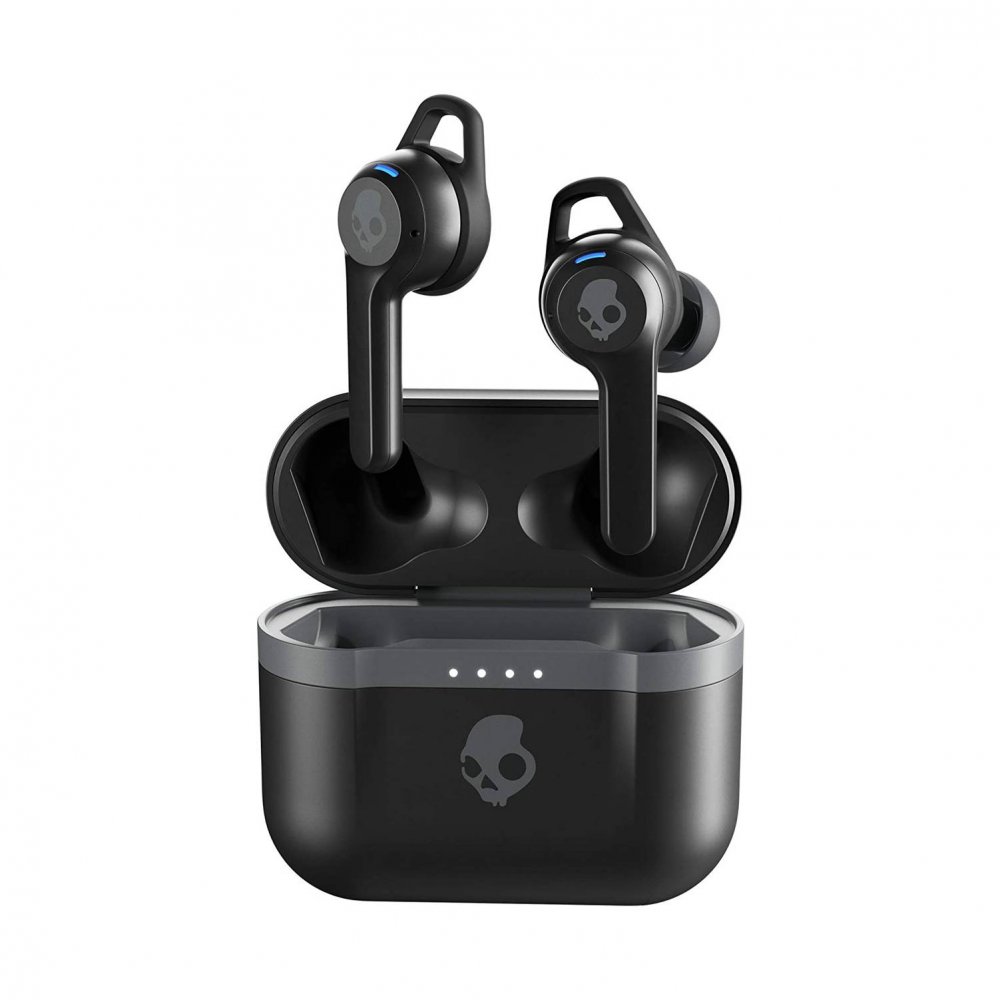
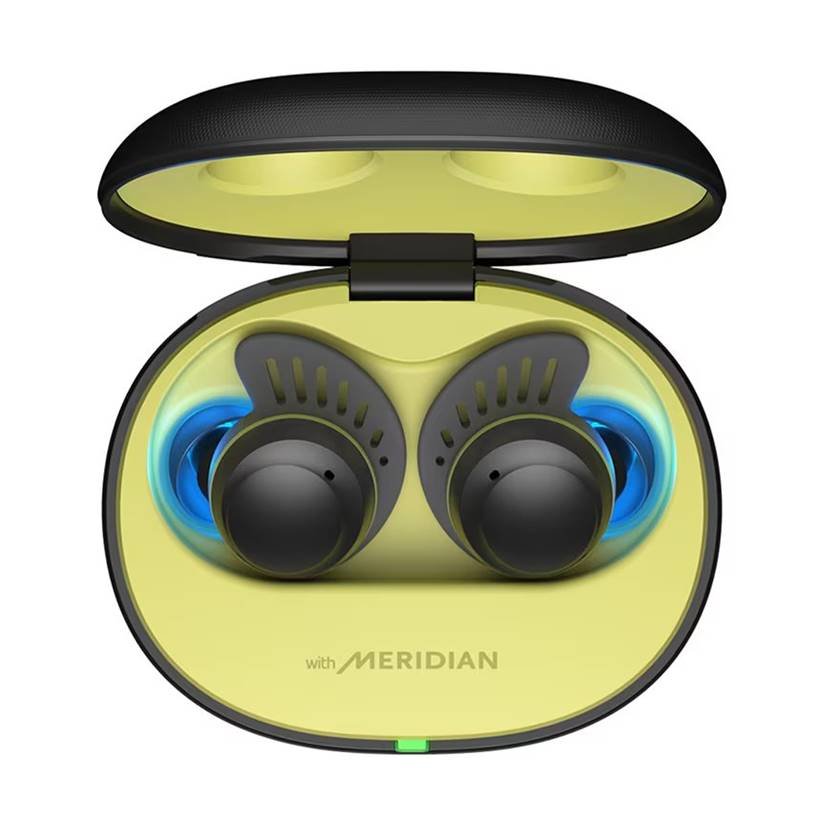
Advertisement
Compare Skullcandy Indy Evo with:
Compare LG TONE-TF7Q with:
Top Differences
- Battery Life: 30 Hours vs 6 / 10 / 18 / 30 Hours
- Noise Cancelling: Ambient vs Hybrid ANC
- Bluetooth: 5.0 vs 5.3
- Weight: 57 gm vs 48 Gm
- Impedance: 32 Ohm±15% Vs NA
Advertisement