 ALERT
ALERT
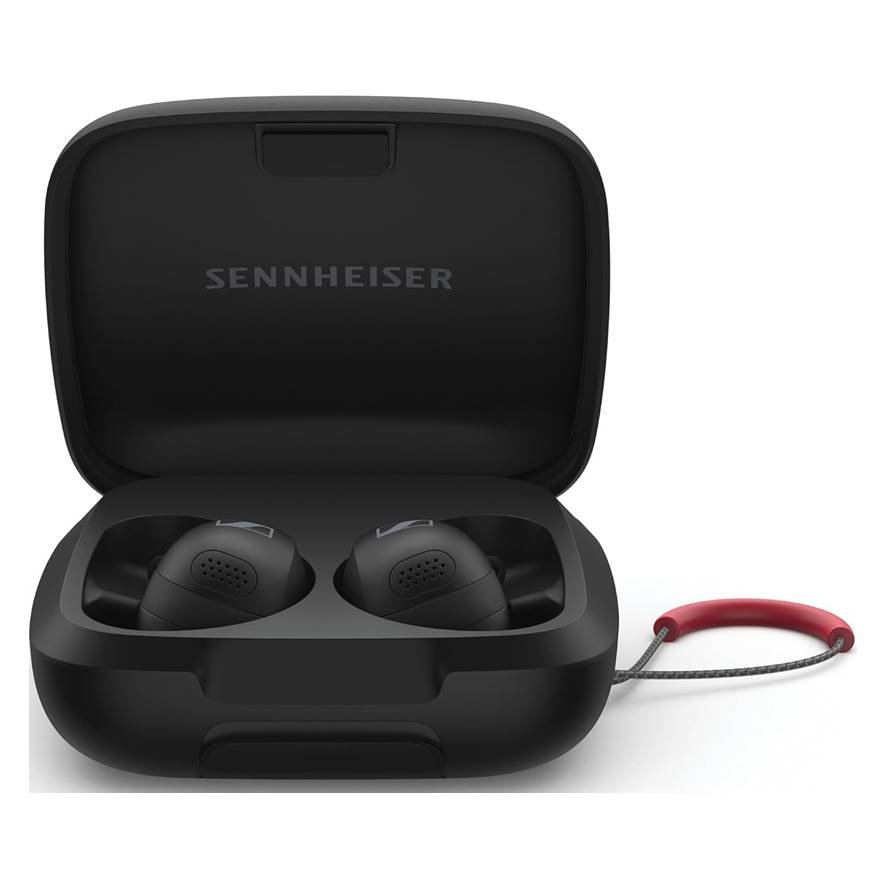
Sennheiser RS 2000 vs Sennheiser Momentum Sport
Advertisement
| Specification | ||
|---|---|---|
| Price | Rs.34,913.00 |
Rs.34,990.00 |
| Brand | Sennheiser |
Sennheiser |
| Model No | RS 2000 |
Momentum Sport |
| Wired / Wireless | Wireless Headphone Specification |
Wireless Headphone Specification |
| Headphone Type | In Ear |
In Ear Canal |
| Magnet Type | Dynamic, Neodymium |
Dynamic |
| Driver Diameter | 9.2 MM |
10 mm |
| Impedance | 32 ohm |
150 Ohms |
| Sensitivity | 125 dB |
110 dB SPL |
| Frequency Response | 15 Hz - 16000 Hz |
15Hz - 18KHz |
| Maximum Power Input | 5 V |
16 mW |
| Wireless / Bluetooth Details | ||
| Wireless Technology | Bluetooth |
Bluetooth |
| Bluetooth Version | 4.0 |
5.2 |
| Compatible Profiles | All Bluetooth Devices |
All Bluetooth Devices |
| Supported Codecs | A2DP + AVRCP + HSP + HFP + APT-X® |
SBC, AAC, aptXâ„¢, aptX adaptiveâ„¢ |
| Battery Type | Lithium-ion Polymer Batteries |
Lithium-Ion Batteries |
| Bluetooth Range | 10 Meters |
40 Meters |
| Battery Life | 9 Hours |
24 Hours |
| Charging Time | 3 Hours |
1.5 Hours |
| Noise Cancelling | NA |
Hybrid Adaptive Active Noise Cancelling |
| Available Colors | Black |
Black, Green, Grey |
| Connector Plating | 3.5 mm |
NA |
| Cable | Adapter |
USB Type-C Charging Cable |
| Weight | 230 gm |
91 GM |
| Other Features | Easy to use volume and balance controls Connects to TV or any audio device using analog input Two year warranty when purchased from an authorized Sennheiser dealer. Built in Lithium Polymer battery provides to 9 hours operation on a full complete charge. Crystal clear wireless transmission for freedom of movement (up to 150 ft.).Connectivity Technology: Wireless |
After 10 min charging 1 Hrs music playtime. Secure fit ideal for a wide range of sports — chose your ear fin and ear tip size for lasting fit. Sports ecosystem compatibility — use with leading sports watches, apps, and fitness equipment via Bluetooth. Integrated performance tracking sensors — measure your heart rate and body temperature using in-ear sensors. Sennheiser sound, tuned for sports — elevate your performance with clear sound and powerful bass in sports mode. Shock, dust, and sweat resistance — don’t worry about water or dust with the IP55-rated water-resistant acoustic design. Adaptive ANC — stay focused in noisy gyms or outdoor spaces with active noise cancellation that adapts to your surroundings. Effortless Control : Smart UI with tap controls for effortless, precise earbud management during intense workouts so you can focus on achieving your fitness goals. Extended Battery Life : Never miss a beat with 24 hr total playtime (6 hrs earbuds + 18.5 hrs case) - Quick charge ensures 45 mins of playtime with just 10 mins of charging. Hear More Than Music : Unleash your workout's full potential with Sennheiser's sport sound profile, adaptive ANC, transparency mode and robust bass for immersive sound and focused training. Fitness Tracking Powered By Polar : In-ear sensors for real-time heart rate and body temperature tracking, syncing seamlessly with apps and devices for insightful health and performance metrics. Custom Fit For Every Athlete : Secure fit with interchangeable ear fins and tips for a snug, comfortable fit, plus IP55 sweat and splash resistance - Ideal for every ear shape and workout intensity. |

Advertisement
Compare Sennheiser RS 2000 with:
Compare Sennheiser Momentum Sport with:
Top Differences
- Battery Life: 9 Hours vs 24 Hours
- Noise Cancelling: NA vs Hybrid Adaptive Active Noise Cancelling
- Driver Size: 9.2 MM vs 10 mm
- Bluetooth: 4.0 vs 5.2
- Weight: 230 gm vs 91 GM
Advertisement