 ALERT
ALERT
Sennheiser Momentum Sport vs Sennheiser RS 195
Advertisement
| Specification | ||
|---|---|---|
| Price | Rs.34,990.00 |
Rs.34,990.00 |
| Brand | Sennheiser |
Sennheiser |
| Model No | Momentum Sport |
RS 195 |
| Wired / Wireless | Wireless Headphone Specification |
Wireless Headphone Specification |
| Headphone Type | In Ear Canal |
Over Ear |
| Magnet Type | Dynamic |
Dynamic, Neodymium |
| Driver Diameter | 10 mm |
NA |
| Impedance | 150 Ohms |
32 ohm |
| Sensitivity | 110 dB SPL |
117 dB/mW |
| Frequency Response | 15Hz - 18KHz |
17 Hz - 22000 Hz |
| Maximum Power Input | 16 mW |
9 V |
| Wireless / Bluetooth Details | ||
| Wireless Technology | Bluetooth |
Bluetooth |
| Bluetooth Version | 5.2 |
NA |
| Compatible Profiles | All Bluetooth Devices |
All Bluetooth Devices |
| Supported Codecs | SBC, AAC, aptXâ„¢, aptX adaptiveâ„¢ |
NA |
| Battery Type | Lithium-Ion Batteries |
Nickel Metal Hydride Batteries |
| Bluetooth Range | 40 Meters |
100 Meters |
| Battery Life | 24 Hours |
18 Hours |
| Charging Time | 1.5 Hours |
8.5 Hours |
| Noise Cancelling | Hybrid Adaptive Active Noise Cancelling |
Active |
| Available Colors | Black, Green, Grey |
Black |
| Connector Plating | NA |
3.5 mm Stereo |
| Cable | USB Type-C Charging Cable |
Optical Cable |
| Weight | 91 GM |
340 gm |
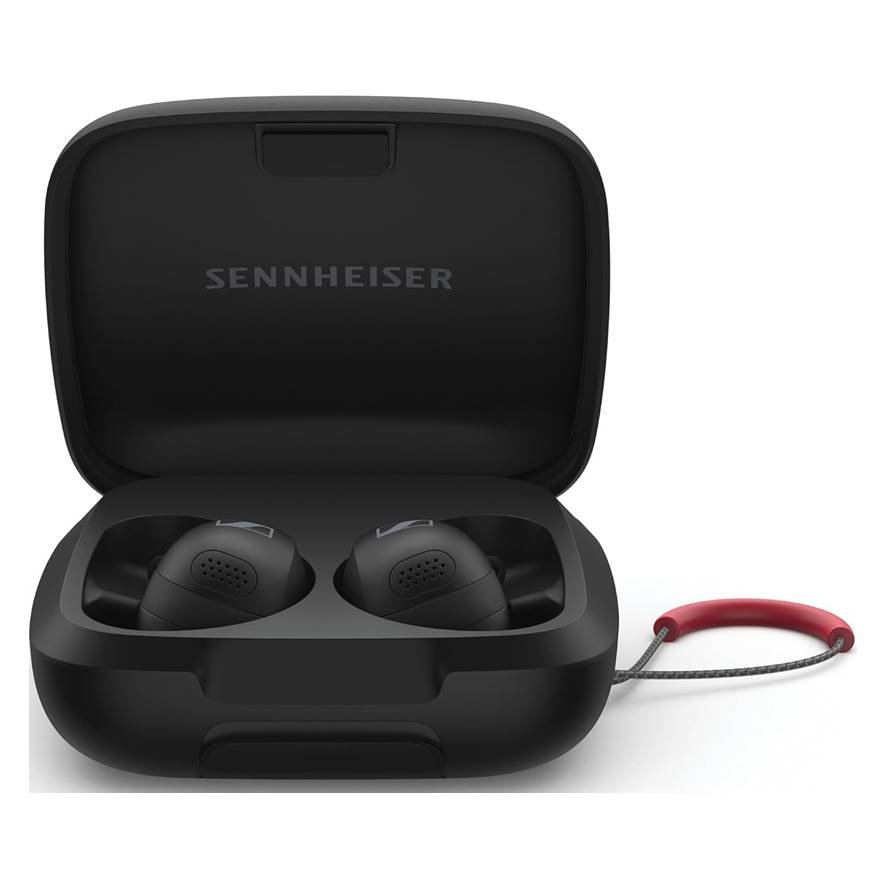
| Other Features | After 10 min charging 1 Hrs music playtime. Secure fit ideal for a wide range of sports — chose your ear fin and ear tip size for lasting fit. Sports ecosystem compatibility — use with leading sports watches, apps, and fitness equipment via Bluetooth. Integrated performance tracking sensors — measure your heart rate and body temperature using in-ear sensors. Sennheiser sound, tuned for sports — elevate your performance with clear sound and powerful bass in sports mode. Shock, dust, and sweat resistance — don’t worry about water or dust with the IP55-rated water-resistant acoustic design. Adaptive ANC — stay focused in noisy gyms or outdoor spaces with active noise cancellation that adapts to your surroundings. Effortless Control : Smart UI with tap controls for effortless, precise earbud management during intense workouts so you can focus on achieving your fitness goals. Extended Battery Life : Never miss a beat with 24 hr total playtime (6 hrs earbuds + 18.5 hrs case) - Quick charge ensures 45 mins of playtime with just 10 mins of charging. Hear More Than Music : Unleash your workout's full potential with Sennheiser's sport sound profile, adaptive ANC, transparency mode and robust bass for immersive sound and focused training. Fitness Tracking Powered By Polar : In-ear sensors for real-time heart rate and body temperature tracking, syncing seamlessly with apps and devices for insightful health and performance metrics. Custom Fit For Every Athlete : Secure fit with interchangeable ear fins and tips for a snug, comfortable fit, plus IP55 sweat and splash resistance - Ideal for every ear shape and workout intensity. |
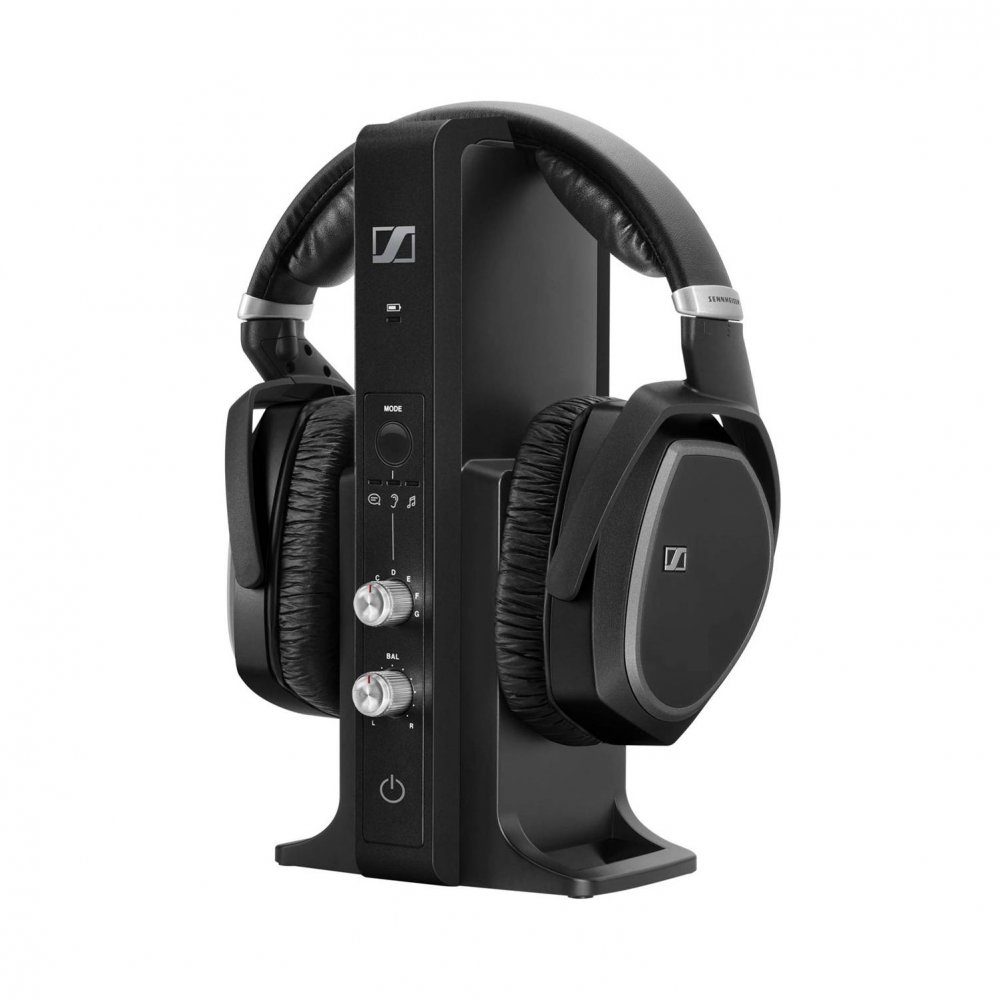
Balance control for right/left volume adjustment. Closed back, circumaural headphone system with excellent digital wireless audio transmission delivering range up to 328ft / 100m ( line of sight ). Selectable hearing boost presets with an additional noise suppression mode for clearer dialogues and superior speech intelligibility. Music listening mode for increased dynamic range. Multi-purpose transmitter supports both Digital and Analog Inputs in addition Automatic and Manual Level Control - also functions as 'easy-charge' cradle and docking station for the headphones. |
Advertisement
Compare Sennheiser Momentum Sport with:
Compare Sennheiser RS 195 with:
Top Differences
- Battery Life: 18 Hours vs 24 Hours
- Driver Size: NA vs 10 mm
- Bluetooth: NA vs 5.2
- Weight: 340 gm vs 91 GM
- Impedance: 32 ohm Vs 150 Ohms
Advertisement