 ALERT
ALERT
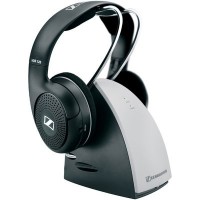
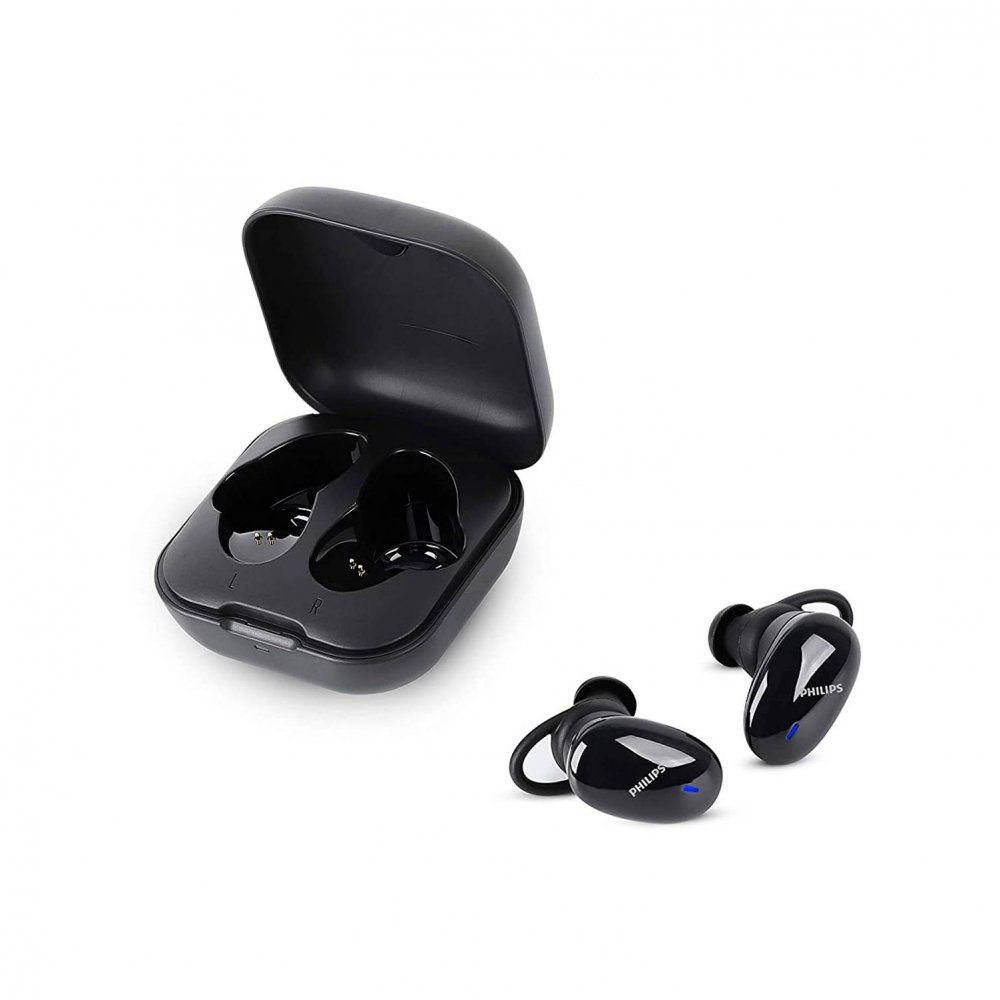
Sennheiser RS-120 vs Philips TAT4205BK/94
Advertisement
| Specification | ||
|---|---|---|
| Price | Rs.6,979.00 |
Rs.6,999.00 |
| Brand | Sennheiser |
Philips |
| Model No | RS-120 |
TAT4205BK/94 |
| Wired / Wireless | Wireless Headphone Specification |
Wireless Headphone Specification |
| Headphone Type | Over Ear |
In Ear |
| Magnet Type | Neodymium |
Neodymium |
| Driver Diameter | NA |
9.2 mm |
| Impedance | 24 ohms |
16 ohm±15% |
| Sensitivity | 106 dB |
95 ± 2 dB |
| Frequency Response | 22 - 19500 Hz |
20 Hz - 20000 kHz |
| Maximum Power Input | NA |
NA |
| Wireless / Bluetooth Details | ||
| Wireless Technology | Radio Frequency |
Bluetooth |
| Bluetooth Version | 5.0 |
|
| Compatible Profiles | All Bluetooth Devices |
|
| Supported Codecs | A2DP, AVRCP, HFP, HSP, SBC |
|
| Battery Type | AAA Alkaline Battery |
Lithium- Ion Batteries |
| Bluetooth Range | 10 Meters |
|
| Battery Life | 20 - 25 hrs |
5+15 Hours |
| Charging Time | NA |
2 Hours |
| Noise Cancelling | No |
Passive |
| Available Colors | Black |
Black |
| Connector Plating | NA |
NA |
| Cable | NA |
USB-C Charging Cable |
| Weight | 230 g |
110 gm |
| Other Features | - Total harmonic distortion: 0.7% - Volume and Tuning Control - Replaceable Ear Pads |
5 + 15 hrs Playtime. IPX5-rated splash-proof design. Easily wake your phone's voice assistant. Built-in mic with echo cancellation for clear audio. Soft rubberized wing tips. Secure and comfortable. Mono mode for when you want to leave one ear free. Smart pairing. Automatically find your Bluetooth device. Passive noise isolation for better sound at lower volume. 3 interchangeable rubber earbud covers. Comfortable fit. High performance speakers deliver booming sound and power. |
Advertisement
Compare Sennheiser RS-120 with:
Compare Philips TAT4205BK/94 with:
Top Differences
- Battery Life: 20 - 25 hrs vs 5+15 Hours
- Noise Cancelling: No vs Passive
- Driver Size: NA vs 9.2 mm
- Weight: 230 g vs 110 gm
- Impedance: 24 ohms Vs 16 ohm±15%
Advertisement