 ALERT
ALERT
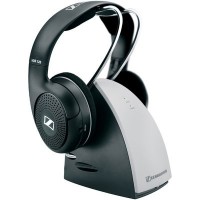
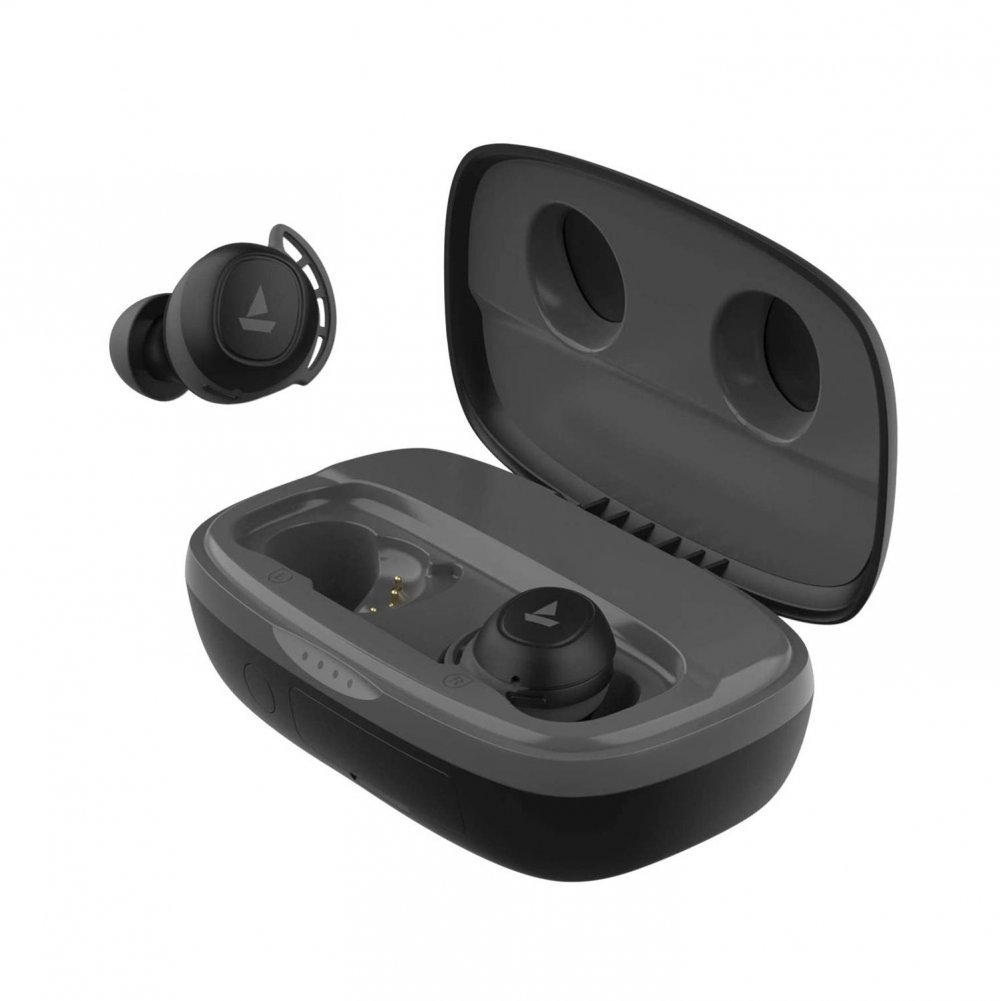
Sennheiser RS-120 vs boAt TRebel Airdopes 441 Pro
Advertisement
| Specification | ||
|---|---|---|
| Price | Rs.6,979.00 |
Rs.6,990.00 |
| Brand | Sennheiser |
boAt |
| Model No | RS-120 |
TRebel Airdopes 441 Pro |
| Wired / Wireless | Wireless Headphone Specification |
Wireless Headphone Specification |
| Headphone Type | Over Ear |
In Ear |
| Magnet Type | Neodymium |
Dynamic |
| Driver Diameter | NA |
6 mm |
| Impedance | 24 ohms |
16 ohm |
| Sensitivity | 106 dB |
- 98dB±3DB |
| Frequency Response | 22 - 19500 Hz |
20 Hz - 20000 KHz |
| Maximum Power Input | NA |
5 V |
| Wireless / Bluetooth Details | ||
| Wireless Technology | Radio Frequency |
Bluetooth |
| Bluetooth Version | 5.0+EDR |
|
| Compatible Profiles | All Bluetooth Devices |
|
| Supported Codecs | HSP, HFP, A2DP, AVRCP |
|
| Battery Type | AAA Alkaline Battery |
Lithium - Ion Batteries |
| Bluetooth Range | 10 Meters |
|
| Battery Life | 20 - 25 hrs |
5 Hours |
| Charging Time | NA |
1.5 Hours |
| Noise Cancelling | No |
CVC |
| Available Colors | Black |
Black, White, Blue, Red, Green, Grey, Yellow, Purple |
| Connector Plating | NA |
NA |
| Cable | NA |
USB Type - C Charging Cable |
| Weight | 230 g |
48.5 gm |
| Other Features | - Total harmonic distortion: 0.7% - Volume and Tuning Control - Replaceable Ear Pads |
Sweat It Out Without Fear. Non Stop Playback Upto 5 Hours. With IPX7 get sweaty, dirty, and wet with the workout and outdoor activities without a care in the world. Battery: Airdopes 441 Pro offers a playback time of up to 5 hours in earbuds & 150 hours in charging case and earbuds get charged to 100% in 1.5 hours |
Advertisement
Compare Sennheiser RS-120 with:
Compare boAt TRebel Airdopes 441 Pro with:
Top Differences
- Battery Life: 20 - 25 hrs vs 5 Hours
- Noise Cancelling: No vs CVC
- Driver Size: NA vs 6 mm
- Weight: 230 g vs 48.5 gm
- Impedance: 24 ohms Vs 16 ohm
Advertisement