 ALERT
ALERT
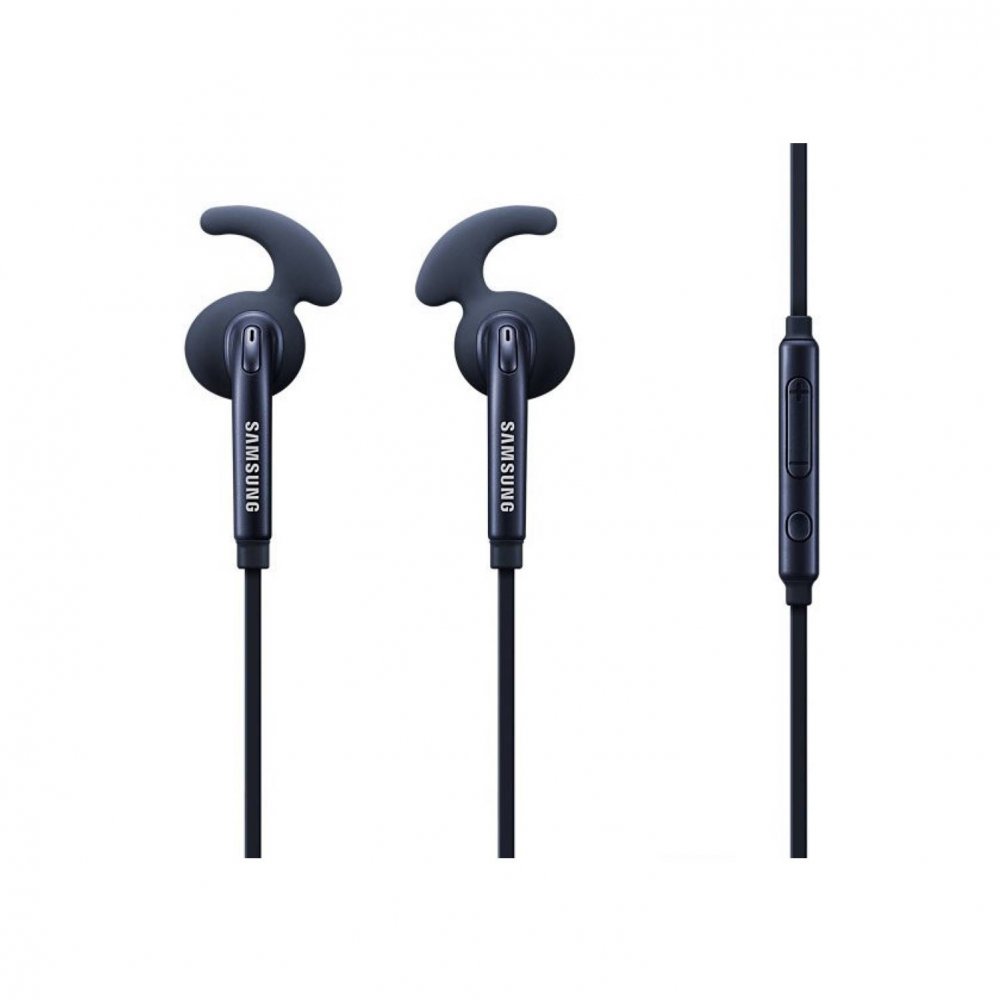
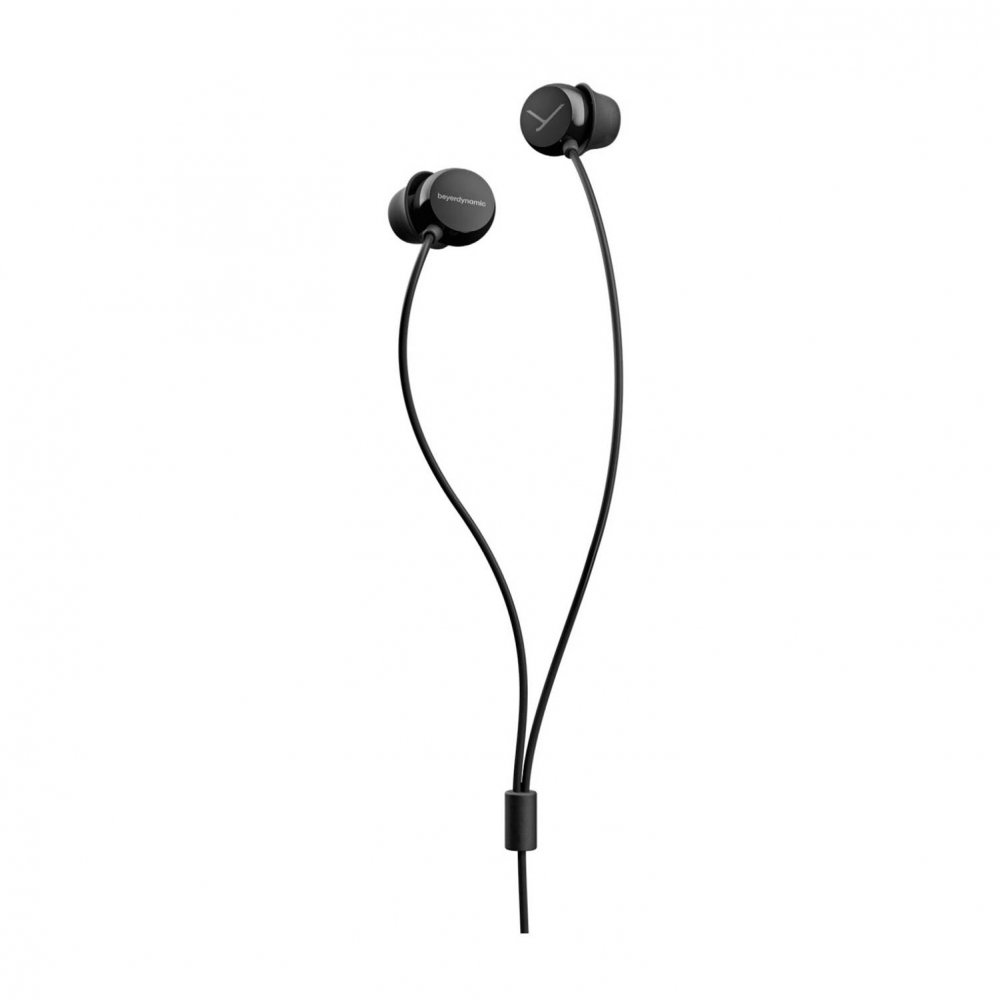
Samsung EG920 vs Beyerdynamic Beat Byrd
Advertisement
| Specification | ||
|---|---|---|
| Price | Rs.949.00 |
Rs.999.00 |
| Brand | Samsung |
Beyerdynamic |
| Model No | EG920 |
Beat Byrd |
| Wired / Wireless | Wired Headphone Specification |
Wired Headphone Specification |
| Headphone Type | In Ear |
In Ear |
| Magnet Type | Dynamic |
Dynamic |
| Driver Diameter | 12 mm |
NA |
| Impedance | 32 ohm |
18 ohm |
| Sensitivity | 98.5 dB |
104 dB SL |
| Frequency Response | 20 Hz - 20000 KHz |
15 - 21,000 Hz |
| Maximum Power Input | NA |
1 mW |
| Noise Cancelling | NA |
NA |
| Available Colors | Black, White, Blue, Red |
Black, Orange |
| Connector Plating | 3.5 mm |
3.5 mm Gold-Plated Stereo Jack |
| Cable | Tangle Resistant Cable |
Tangle Resistant Cable |
| Weight | NA |
5 g |
| Other Features | Clearer Sound, Richer Bass. High quality voice calls with In-ear Fit. Wearing Comfort and High-Quality Sound. Noise-minimising advantages of canal-type earbuds. 12 mm dynamic driver offers clear sound & rich bass. With microphone casing made from groundbreaking wind-sound reducing material, you can enjoy higher-quality voice calls than ever before with the In-ear Fit. |
True reliability and extremely sustainable. Well-balanced sound tuning and punchy bass. Ergonomically shaped housing ensures secure and snug fit in the ear. Flexible and well-designed cable, remains free of zigzag distortions and is pleasant to wear. |
Advertisement
Compare Samsung EG920 with:
Compare Beyerdynamic Beat Byrd with:
Top Differences
- Driver Size: 12 mm vs NA
- Weight: NA vs 5 g
- Impedance: 32 ohm Vs 18 ohm
Advertisement