 ALERT
ALERT
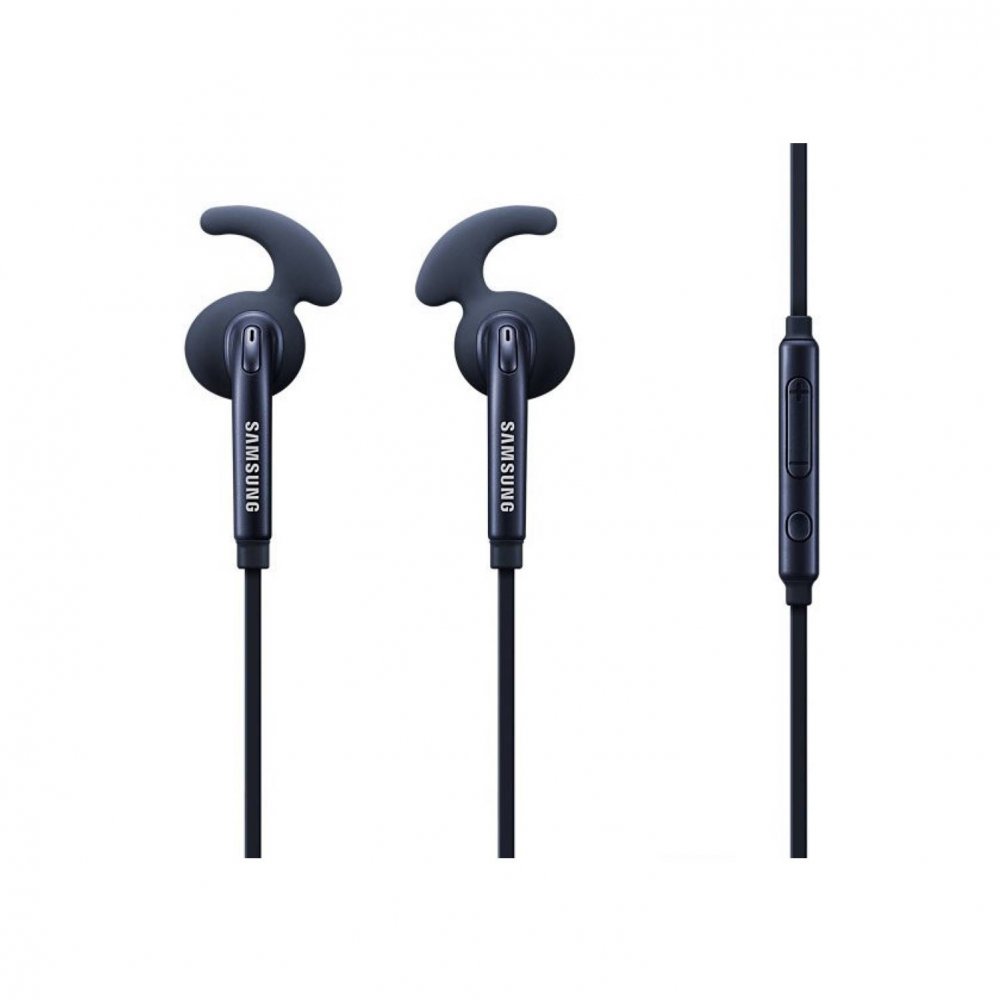
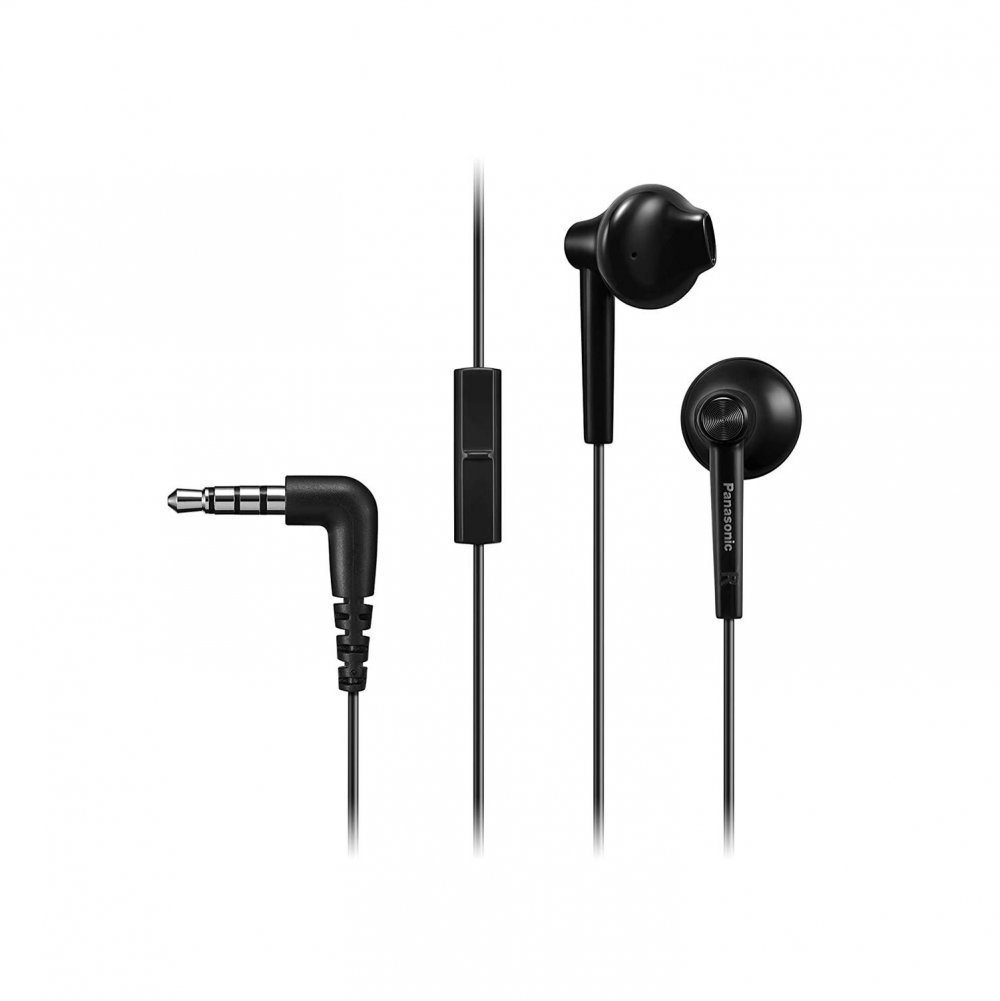
Samsung EG920 vs Panasonic RP-TCM55E
Advertisement
| Specification | ||
|---|---|---|
| Price | Rs.949.00 |
Rs.899.00 |
| Brand | Samsung |
Panasonic |
| Model No | EG920 |
RP-TCM55E |
| Wired / Wireless | Wired Headphone Specification |
Wired Headphone Specification |
| Headphone Type | In Ear |
In Ear Canal |
| Magnet Type | Dynamic |
Neodymium |
| Driver Diameter | 12 mm |
14.3 mm |
| Impedance | 32 ohm |
26 ohm |
| Sensitivity | 98.5 dB |
109 dB/mW |
| Frequency Response | 20 Hz - 20000 KHz |
10 Hz 24000 kHz |
| Maximum Power Input | NA |
NA |
| Noise Cancelling | NA |
NA |
| Available Colors | Black, White, Blue, Red |
Black, White |
| Connector Plating | 3.5 mm |
3.5 mm Miniplug Nickel Gold |
| Cable | Tangle Resistant Cable |
Tangle- Free Flat Cable |
| Weight | NA |
14 gm |
| Other Features | Clearer Sound, Richer Bass. High quality voice calls with In-ear Fit. Wearing Comfort and High-Quality Sound. Noise-minimising advantages of canal-type earbuds. 12 mm dynamic driver offers clear sound & rich bass. With microphone casing made from groundbreaking wind-sound reducing material, you can enjoy higher-quality voice calls than ever before with the In-ear Fit. |
Cable Size: 1.2 m, Mini Plug Size: 3.5 mm. Reproduction Frequency Band: 10 Hz-24,000 Hz. 14.3 mm Driver Unit: Reproduces a Clear, Deep Bass Sound. Bass Boost: Enjoy your favorite music with Bass Boost Design. The TCM55 supports Microphone and Remote Control Functionality that’s Compatible with Smartphones. |
Advertisement
Compare Samsung EG920 with:
Compare Panasonic RP-TCM55E with:
Top Differences
- Driver Size: 12 mm vs 14.3 mm
- Weight: NA vs 14 gm
- Impedance: 32 ohm Vs 26 ohm
Advertisement