 ALERT
ALERT
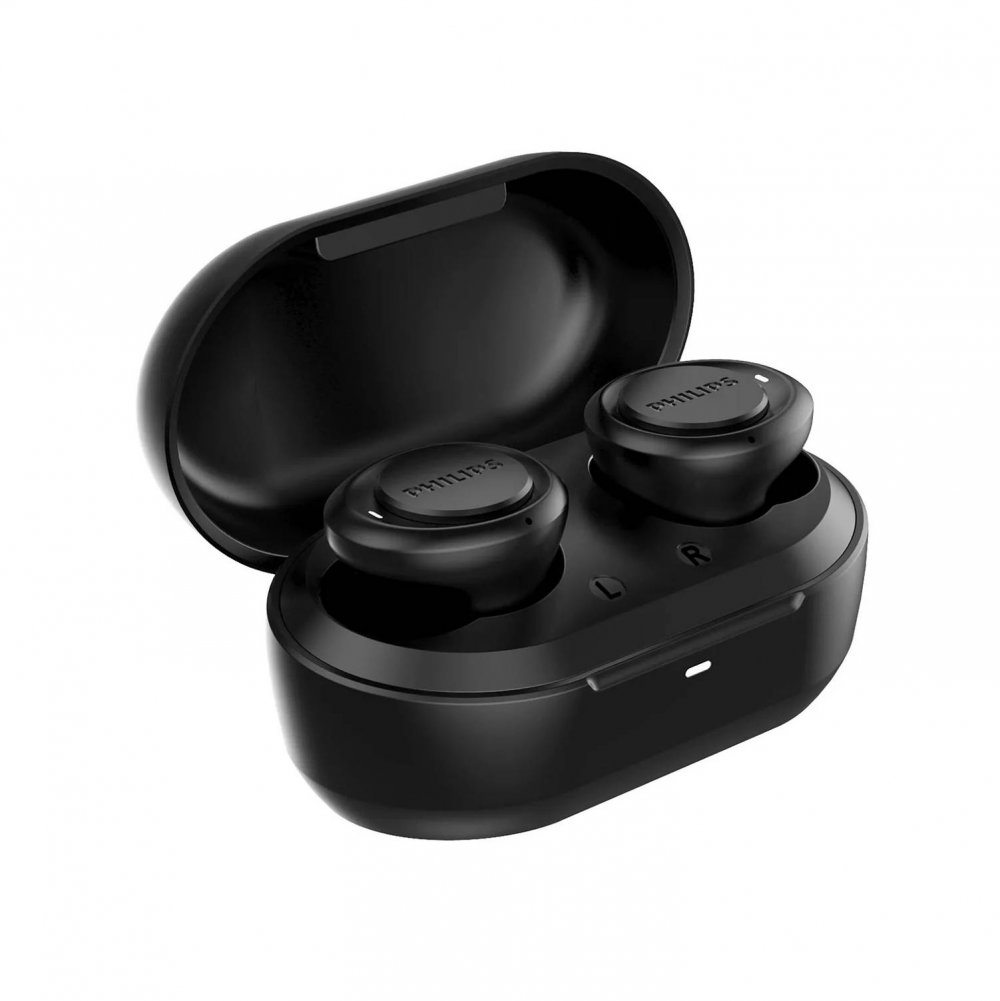
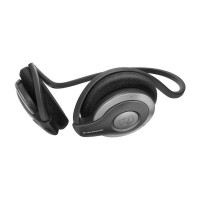
Philips TAT1215RD/97 vs Sennheiser PMX 95
Advertisement
| Specification | |||
|---|---|---|---|
| Price | Rs.4,411.00 |
Rs.4,390.00 |
Rs.4,390.00 |
| Brand | Philips |
Sennheiser |
Sennheiser |
| Model No | TAT1215RD/97 |
PMX 95 |
PMX 95 |
| Wired / Wireless | Wireless Headphone Specification |
Wireless Headphone Specification |
Wireless Headphone Specification |
| Headphone Type | In Ear |
Neckband |
Neckband |
| Magnet Type | Neodymium |
Neodymium |
Neodymium |
| Driver Diameter | 6 mm |
NA |
NA |
| Impedance | 16 ohm |
32 Ohms |
32 Ohms |
| Sensitivity | NA |
114 dB/mW |
114 dB/mW |
| Frequency Response | 20 Hz - 20000 kHz |
22 Hz - 20000 Hz |
22 Hz - 20000 Hz |
| Maximum Power Input | NA |
NA |
NA |
| Wireless / Bluetooth Details | |||
| Wireless Technology | Bluetooth |
Bluetooth |
Bluetooth |
| Bluetooth Version | 5.1 |
Bluetooth 2.0 + EDR |
Bluetooth 2.0 + EDR |
| Compatible Profiles | All Bluetooth Devices |
A2DP / AVRCP / HSP / HFP |
A2DP / AVRCP / HSP / HFP |
| Supported Codecs | A2DP, AVRCP, Handsfree, HFP, HSP |
SBC |
SBC |
| Battery Type | Lithium- Ion Batteries |
Built-in rechargeable Lithium-polymer battery |
Built-in rechargeable Lithium-polymer battery |
| Bluetooth Range | 10 Meters |
10 |
10 |
| Battery Life | 6+12 Hours |
7.5 Hrs Music |
7.5 Hrs Music |
| Charging Time | 1.5 Hours |
3 Hrs |
3 Hrs |
| Noise Cancelling | NA |
NA |
NA |
| Available Colors | Black, White, Blue, Red |
Black |
Black |
| Connector Plating | NA |
NA |
NA |
| Cable | Micro-USB Charging Cable |
NA |
NA |
| Weight | 91 gm |
54 g |
54 g |
| Other Features | Secure, comfortable fit. Snug, lightweight design. IPX4 splash- and sweat-resistant. Easily wake your phone's voice assistant. Earbud switches to control music and calls. Extremely convenient, super-small charging case. Small charging case for up to 18 hours play time. Built-in mic with echo cancellation for clear audio. 6 mm neodymium drivers. Clear sound, punchy bass. Smart pairing. Automatically find your Bluetooth device. |
- Wireless freedom – Stereo Bluetooth® guarantees hands-free convenience and optimized hi-fi stereo sound - Outstanding Sennheiser sound – Sennheiser acoustic design ensures great music quality - Open acoustics – deliver a wide dynamic range with detailed and natural sound reproduction - Invisible microphone – for clear conversations - Neckband style – super lightweight and discreet, making it ideal for sports and on the go - Easy headset controls – seamlessly blend in with the neckband style - Secure fit – soft cushions provide excellent wearing comfort without pressing tightly against the ears - Flexible charging – rechargeable via supplied USB or wall adapter - Connect everywhere – to mobile phones, laptops or MP3 players – or two sources at once if needed - 2-year warranty |
- Wireless freedom – Stereo Bluetooth® guarantees hands-free convenience and optimized hi-fi stereo sound - Outstanding Sennheiser sound – Sennheiser acoustic design ensures great music quality - Open acoustics – deliver a wide dynamic range with detailed and natural sound reproduction - Invisible microphone – for clear conversations - Neckband style – super lightweight and discreet, making it ideal for sports and on the go - Easy headset controls – seamlessly blend in with the neckband style - Secure fit – soft cushions provide excellent wearing comfort without pressing tightly against the ears - Flexible charging – rechargeable via supplied USB or wall adapter - Connect everywhere – to mobile phones, laptops or MP3 players – or two sources at once if needed - 2-year warranty |
Advertisement
Compare Philips TAT1215RD/97 with:
Compare Sennheiser PMX 95 with:
Top Differences
- Battery Life: 7.5 Hrs Music, 9 Hrs of talk time, 220 Hrs standby time vs 6+12 Hours
- Driver Size: NA vs 6 mm
- Bluetooth: Bluetooth 2.0 + EDR vs 5.1
- Weight: 54 g vs 91 gm
- Impedance: 32 Ohms Vs 16 ohm
Advertisement