 ALERT
ALERT
Sennheiser PMX 95 vs Sennheiser PMX 95
Best For
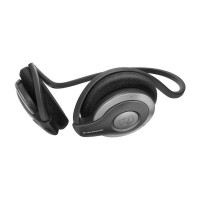
The JBL J46BT and Sennheiser PMX 95 target users looking for lightweight wireless audio, but they take very different approaches. The JBL J46BT focuses on compact in-ear portability with a sporty fit and newer Bluetooth 4.0 connectivity, making it more suitable for casual workouts and daily commuting. On the other hand, the Sennheiser PMX 95 uses a neckband-style design with open acoustics that prioritize comfort and a wider sound presentation. While JBL offers a lighter build and quicker charging, Sennheiser delivers longer battery life and stronger audio sensitivity, making it attractive for music-focused users who value extended listening sessions.
Verdict
The JBL J46BT is the better choice for users who want a lightweight, compact, and workout-friendly wireless earphone with modern Bluetooth connectivity. However, the Sennheiser PMX 95 stands out for audio clarity, battery endurance, and long-term comfort thanks to its open acoustic neckband design. If sound quality and longer listening sessions matter more, the Sennheiser model is the stronger overall pick.
| Specification | |||
|---|---|---|---|
| Price | Rs.4,390.00 |
Rs.4,390.00 |
Rs.4,411.00 |
| Brand | Sennheiser |
Sennheiser |
Philips |
| Model No | PMX 95 |
PMX 95 |
TAT1215BL/97 |
| Wired / Wireless | Wireless Headphone Specification |
Wireless Headphone Specification |
Wireless Headphone Specification |
| Headphone Type | Neckband |
Neckband |
In Ear |
| Magnet Type | Neodymium |
Neodymium |
Neodymium |
| Driver Diameter | NA |
NA |
6 mm |
| Impedance | 32 Ohms |
32 Ohms |
16 ohm |
| Sensitivity | 114 dB/mW |
114 dB/mW |
NA |
| Frequency Response | 22 Hz - 20000 Hz |
22 Hz - 20000 Hz |
20 Hz - 20000 kHz |
| Maximum Power Input | NA |
NA |
NA |
| Wireless / Bluetooth Details | |||
| Wireless Technology | Bluetooth |
Bluetooth |
Bluetooth |
| Bluetooth Version | Bluetooth 2.0 + EDR |
Bluetooth 2.0 + EDR |
5.1 |
| Compatible Profiles | A2DP / AVRCP / HSP / HFP |
A2DP / AVRCP / HSP / HFP |
All Bluetooth Devices |
| Supported Codecs | SBC |
SBC |
A2DP, AVRCP, Handsfree, HFP, HSP |
| Battery Type | Built-in rechargeable Lithium-polymer battery |
Built-in rechargeable Lithium-polymer battery |
Lithium- Ion Batteries |
| Bluetooth Range | 10 |
10 |
10 Meters |
| Battery Life | 7.5 Hrs Music |
7.5 Hrs Music |
6+12 Hours |
| Charging Time | 3 Hrs |
3 Hrs |
1.5 Hours |
| Noise Cancelling | NA |
NA |
NA |
| Available Colors | Black |
Black |
Black, White, Blue, Red |
| Connector Plating | NA |
NA |
NA |
| Cable | NA |
NA |
Micro-USB Charging Cable |
| Weight | 54 g |
54 g |
91 gm |
| Other Features | - Wireless freedom – Stereo Bluetooth® guarantees hands-free convenience and optimized hi-fi stereo sound - Outstanding Sennheiser sound – Sennheiser acoustic design ensures great music quality - Open acoustics – deliver a wide dynamic range with detailed and natural sound reproduction - Invisible microphone – for clear conversations - Neckband style – super lightweight and discreet, making it ideal for sports and on the go - Easy headset controls – seamlessly blend in with the neckband style - Secure fit – soft cushions provide excellent wearing comfort without pressing tightly against the ears - Flexible charging – rechargeable via supplied USB or wall adapter - Connect everywhere – to mobile phones, laptops or MP3 players – or two sources at once if needed - 2-year warranty |
- Wireless freedom – Stereo Bluetooth® guarantees hands-free convenience and optimized hi-fi stereo sound - Outstanding Sennheiser sound – Sennheiser acoustic design ensures great music quality - Open acoustics – deliver a wide dynamic range with detailed and natural sound reproduction - Invisible microphone – for clear conversations - Neckband style – super lightweight and discreet, making it ideal for sports and on the go - Easy headset controls – seamlessly blend in with the neckband style - Secure fit – soft cushions provide excellent wearing comfort without pressing tightly against the ears - Flexible charging – rechargeable via supplied USB or wall adapter - Connect everywhere – to mobile phones, laptops or MP3 players – or two sources at once if needed - 2-year warranty |
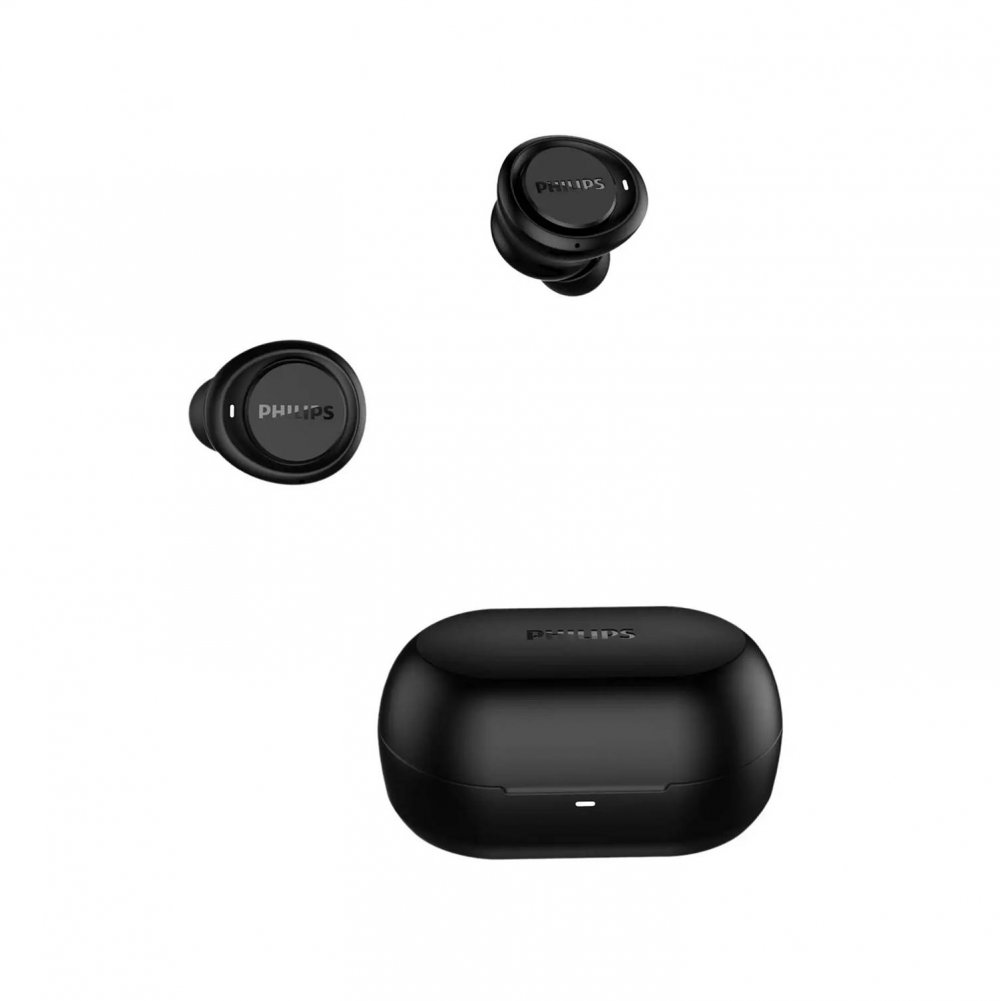
Secure, comfortable fit. Snug, lightweight design. IPX4 splash- and sweat-resistant. Easily wake your phone's voice assistant. Earbud switches to control music and calls. Extremely convenient, super-small charging case. Small charging case for up to 18 hours play time. Built-in mic with echo cancellation for clear audio. 6 mm neodymium drivers. Clear sound, punchy bass. Smart pairing. Automatically find your Bluetooth device. |
Compare Sennheiser PMX 95 with:
Compare Sennheiser PMX 95 with:
Frequently Asked Questions
Top Differences
- Battery Life: 7.5 Hrs Music, 9 Hrs of talk time, 220 Hrs standby time vs 6+12 Hours
- Driver Size: NA vs 6 mm
- Bluetooth: Bluetooth 2.0 + EDR vs 5.1
- Weight: 54 g vs 91 gm
- Impedance: 32 Ohms Vs 16 ohm