 ALERT
ALERT
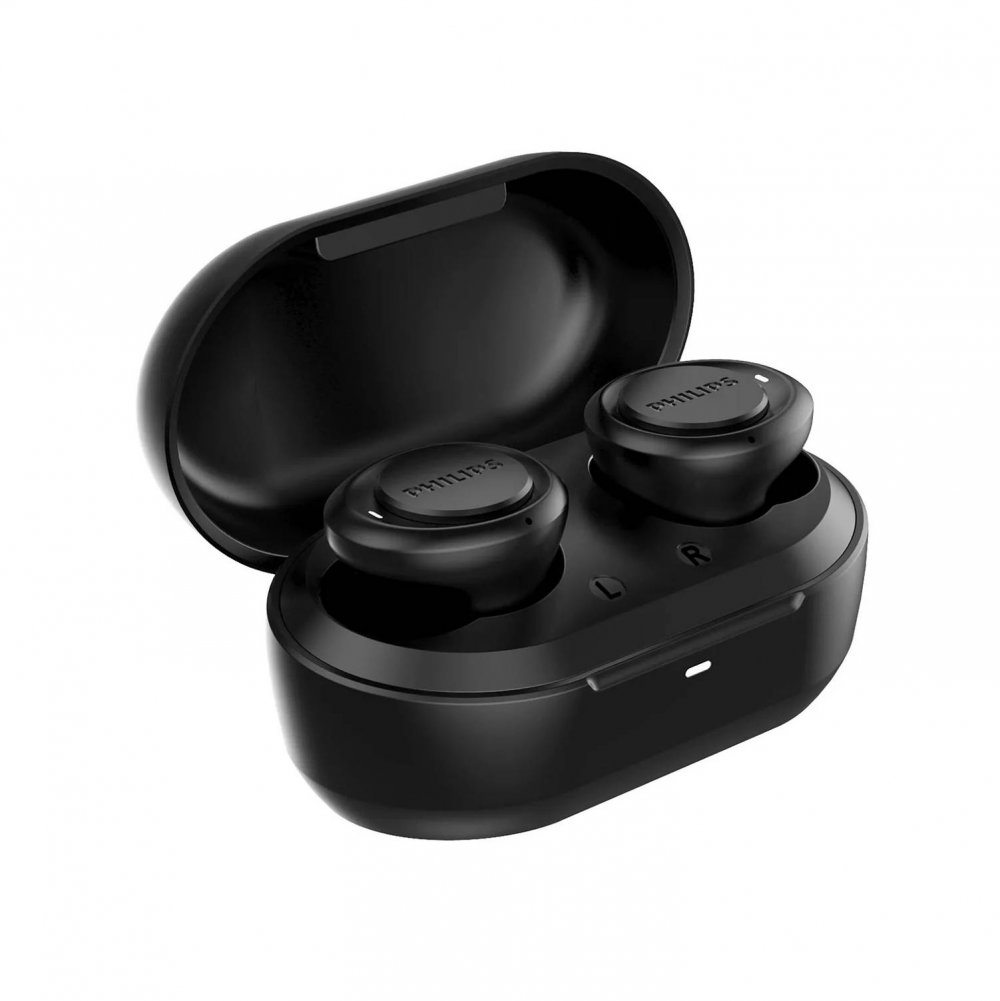
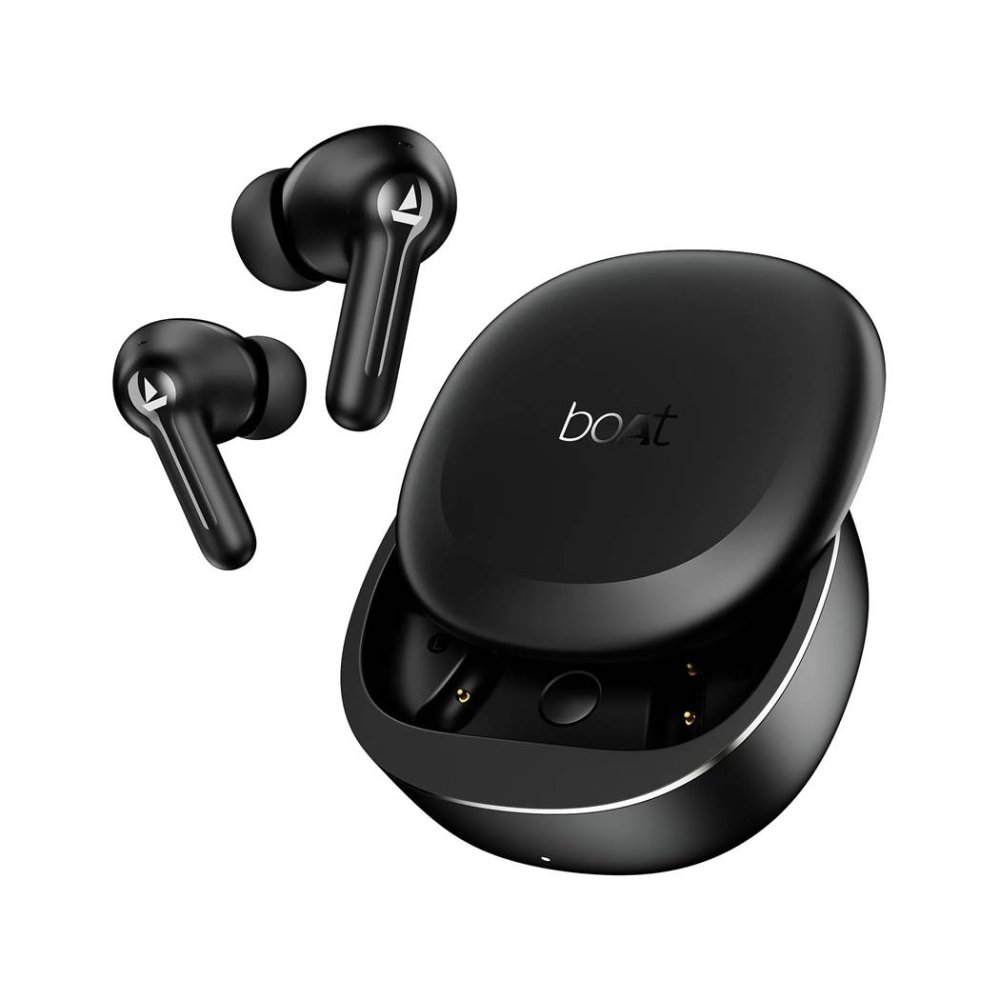
Philips TAT1215RD/97 vs boAt Airdopes Prime 413
Advertisement
| Specification | ||
|---|---|---|
| Price | Rs.4,411.00 |
Rs.4,490.00 |
| Brand | Philips |
boAt |
| Model No | TAT1215RD/97 |
Airdopes Prime 413 |
| Wired / Wireless | Wireless Headphone Specification |
Wireless Headphone Specification |
| Headphone Type | In Ear |
In Ear |
| Magnet Type | Neodymium |
Dynamic |
| Driver Diameter | 6 mm |
12 mm X 2 |
| Impedance | 16 ohm |
32 Ohms |
| Sensitivity | NA |
NA |
| Frequency Response | 20 Hz - 20000 kHz |
20Hz - 20KHz |
| Maximum Power Input | NA |
DC 5V |
| Wireless / Bluetooth Details | ||
| Wireless Technology | Bluetooth |
Bluetooth |
| Bluetooth Version | 5.1 |
5.4 & 6.0 |
| Compatible Profiles | All Bluetooth Devices |
All Bluetooth Devices |
| Supported Codecs | A2DP, AVRCP, Handsfree, HFP, HSP |
AAC |
| Battery Type | Lithium- Ion Batteries |
Lithium-Ion Batteries |
| Bluetooth Range | 10 Meters |
10 Meters |
| Battery Life | 6+12 Hours |
50 Hours |
| Charging Time | 1.5 Hours |
1.5 Hours |
| Noise Cancelling | NA |
Environmental Noise Cancellation |
| Available Colors | Black, White, Blue, Red |
Black, White, Green |
| Connector Plating | NA |
NA |
| Cable | Micro-USB Charging Cable |
USB Type-C Charging Cable |
| Weight | 91 gm |
50 GM |
| Other Features | Secure, comfortable fit. Snug, lightweight design. IPX4 splash- and sweat-resistant. Easily wake your phone's voice assistant. Earbud switches to control music and calls. Extremely convenient, super-small charging case. Small charging case for up to 18 hours play time. Built-in mic with echo cancellation for clear audio. 6 mm neodymium drivers. Clear sound, punchy bass. Smart pairing. Automatically find your Bluetooth device. |
ASAP Charge : Just 10 minutes of ASAP Charge gives you a whopping 150 minutes of playtime for quick power-ups between calls or binge-watching sessions. Voice Assistant : Get things done hands-free! With just a tap, activate Siri or Google Assistant and manage tasks, check scores, or play music without lifting a finger. IPX5 Water Resistance : Workout or chill by the pool without worries as Airdopes Prime 413 is built to handle it all with IPX5 resistance to protect against sweat and splashes. Low-Latency BEAST Mode : Unleash your inner gamer with BEAST Mode! 60 ms low latency ensures your actions sync perfectly with the audio for lag-free, immersive gameplay. 50 Hours Playback : Your all-time audio companion! With a whopping 50 hours of total playback, keep your playlists, podcasts, and game soundtracks running without worrying about recharging. 12 mm Drivers With boAt Signature Sound : Dive into deep bass and rich audio with the dual 12 mm drivers. Escape the noise and tune into the vibrant boAt Signature Sound that brings your content to life. Advanced Bluetooth v6.0 : Enjoy a more stable and reliable wireless experience with Bluetooth v6.0. Be it streaming matches, bingeing on shows, or catching up on music, you can stay connected without pesky drops. Multipoint Connectivity : Multitask like a pro with multipoint connectivity that lets you stay connected to both your laptop and phone at the same time. Whether it's a call or a virtual meeting, switch between devices seamlessly. 4 Mics with AI-ENx Technology : Experience crystal-clear conversations wherever you are with the 4 mics in boAt Airdopes Prime 413 TWS Earbuds. Powered by AI-ENx technology, these earbuds block out background noise for effortless calls. boAt Hearables App Support : Take control of your audio with the boAt Hearables app. From battery and connectivity status to activating or deactivating features, shuffling EQ presets, and customizing your sound - it’s all just a tap away. |
Advertisement
Compare Philips TAT1215RD/97 with:
Compare boAt Airdopes Prime 413 with:
Top Differences
- Battery Life: 6+12 Hours vs 50 Hours
- Noise Cancelling: NA vs Environmental Noise Cancellation
- Driver Size: 6 mm vs 12 mm X 2
- Bluetooth: 5.1 vs 5.4 & 6.0
- Weight: 91 gm vs 50 GM
Advertisement