 ALERT
ALERT
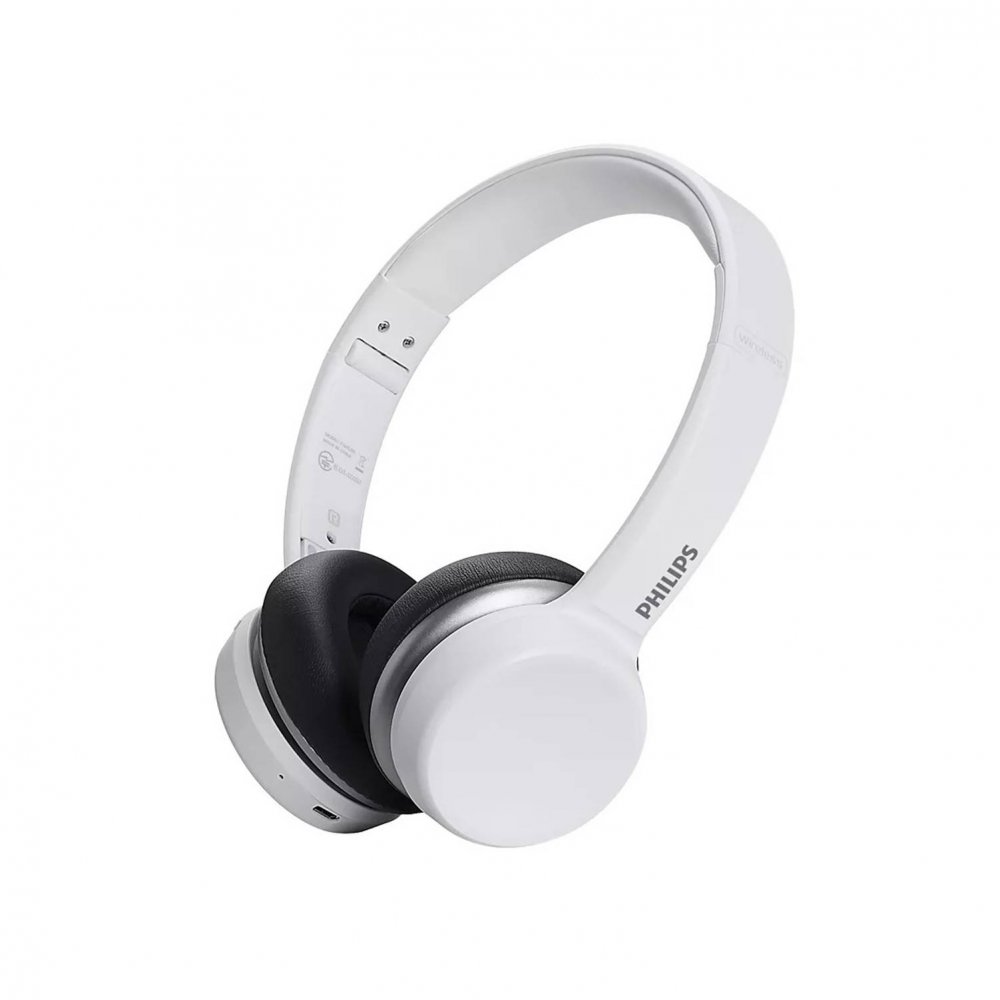
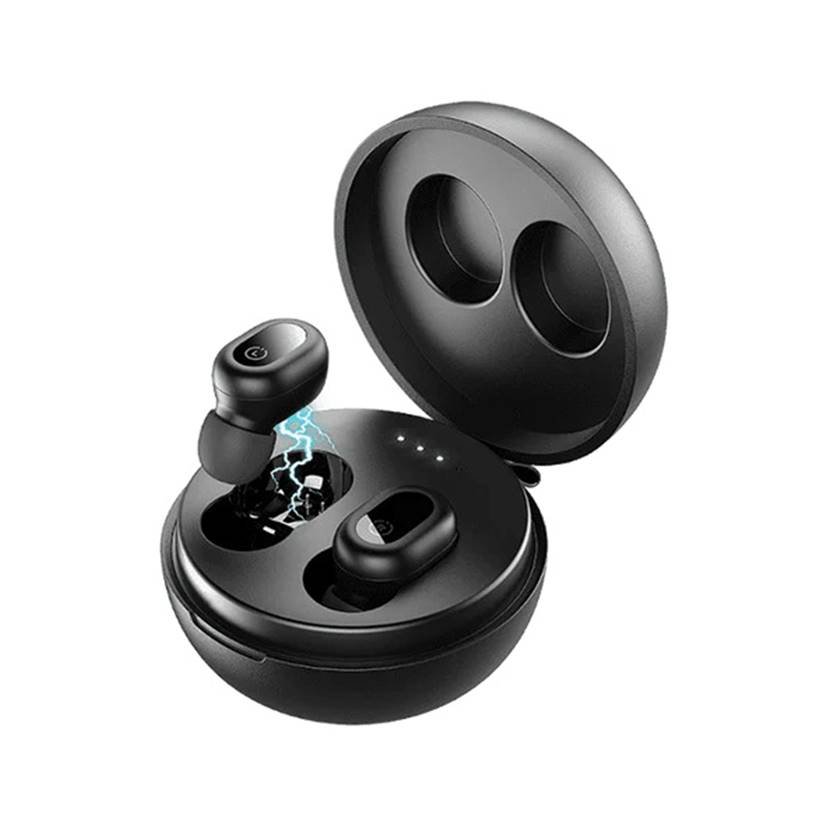
Philips TAH5255WT/97 vs Tribit FlyBuds 1
Advertisement
| Specification | ||
|---|---|---|
| Price | Rs.5,782.00 |
Rs.5,716.29 |
| Brand | Philips |
Tribit |
| Model No | TAH5255WT/97 |
FlyBuds 1 |
| Wired / Wireless | Wireless Headphone Specification |
Wireless Headphone Specification |
| Headphone Type | Over Ear |
In Ear |
| Magnet Type | Neodymium |
Dynamic |
| Driver Diameter | 40 mm |
NA |
| Impedance | 32 ohm |
NA |
| Sensitivity | 110 dB |
NA |
| Frequency Response | 20 Hz - 20000 kHz |
20 Hz - 2000 Hz |
| Maximum Power Input | NA |
5V / 1A |
| Wireless / Bluetooth Details | ||
| Wireless Technology | Bluetooth |
Bluetooth |
| Bluetooth Version | 5.0 |
5.0 |
| Compatible Profiles | All Bluetooth Devices |
All Bluetooth Devices |
| Supported Codecs | A2DP, AVRCP, HFP, HSP |
AAC, SBC |
| Battery Type | Lithium Polymer Batteries |
Lithium-ion Batteries |
| Bluetooth Range | 10 Meters |
10 Meters |
| Battery Life | 29 Hours |
30 Hours |
| Charging Time | 2 Hours |
2 Hours |
| Noise Cancelling | Passive |
NA |
| Available Colors | White |
Black |
| Connector Plating | NA |
NA |
| Cable | USB-C Charging Cable |
USB Type-C Charging Cable |
| Weight | 170 gm |
‎67.9 Gm |
| Other Features | Matte style. Maximum comfort. Eye-catching matte colorways. Easy connection. Easy control. 29 hours play time. Big bold bass. Maximum comfort. Maximum style. Lightweight, adjustable cushioned headband. Rock-solid Bluetooth connectivity. Easy control. Great sound isolation from the closed-back design. Detachable inline cable. Go wired and keep listening. 40 mm drivers feature an optimized vibration system. Multi-function button. Easily control music and calls. Soft ear cups that can be angled for maximum comfort. Multipoint connection provides your super convenience. |
Balanced sound signature. Up to 30 hours of playtime. Wireless and USB-C charging. Industry-leading lightest button. Symmetrical design and IPX8 waterproof. |
Advertisement
Compare Philips TAH5255WT/97 with:
Compare Tribit FlyBuds 1 with:
Top Differences
- Battery Life: 29 Hours vs 30 Hours
- Noise Cancelling: Passive vs NA
- Driver Size: 40 mm vs NA
- Weight: 170 gm vs ‎67.9 Gm
- Impedance: 32 ohm Vs NA
Advertisement