 ALERT
ALERT
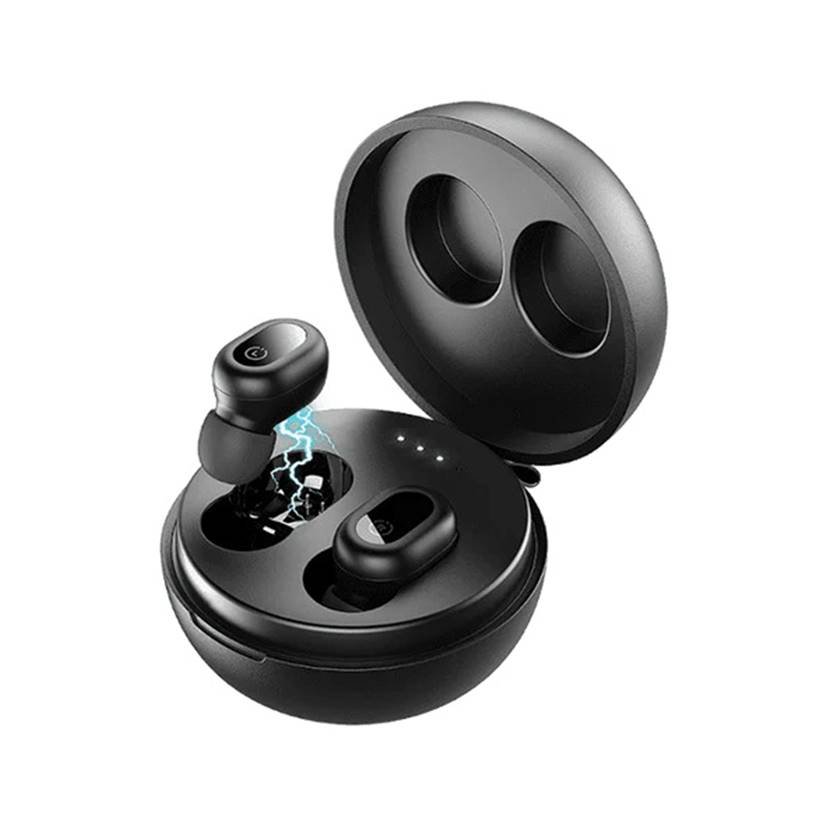
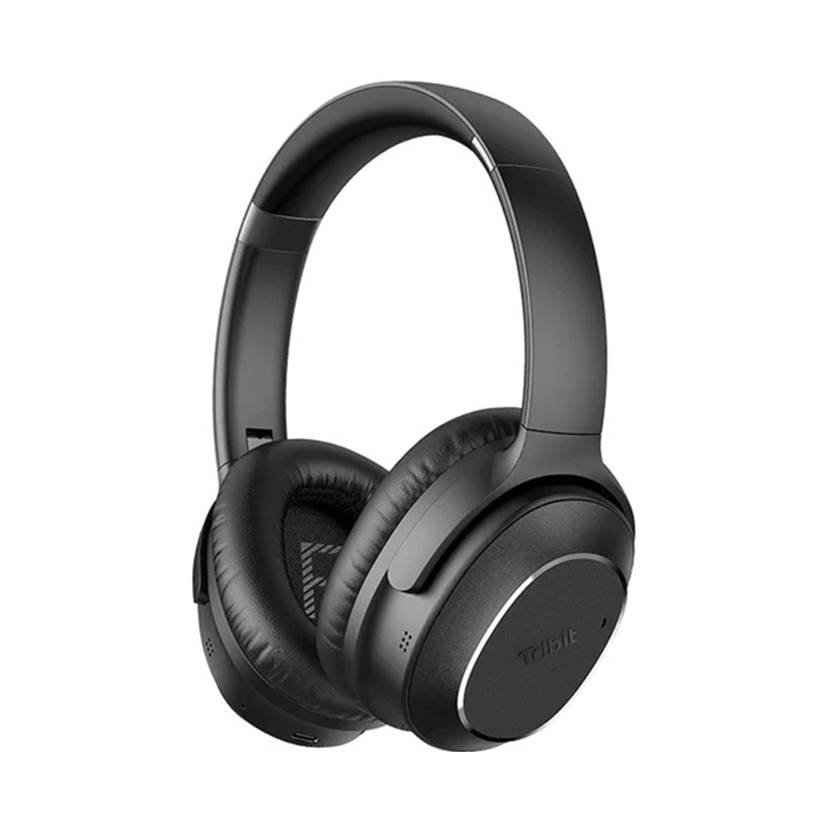
Tribit FlyBuds 1 vs Tribit QuietPlus 72
Advertisement
| Specification | ||
|---|---|---|
| Price | Rs.5,716.29 |
Rs.5,716.05 |
| Brand | Tribit |
Tribit |
| Model No | FlyBuds 1 |
QuietPlus 72 |
| Wired / Wireless | Wireless Headphone Specification |
Wireless Headphone Specification |
| Headphone Type | In Ear |
Over Ear |
| Magnet Type | Dynamic |
Dynamic |
| Driver Diameter | NA |
40 mm |
| Impedance | NA |
32 Ohm |
| Sensitivity | NA |
97dB±3dB |
| Frequency Response | 20 Hz - 2000 Hz |
20 Hz - 20000 Hz |
| Maximum Power Input | 5V / 1A |
DC 5V |
| Wireless / Bluetooth Details | ||
| Wireless Technology | Bluetooth |
Bluetooth |
| Bluetooth Version | 5.0 |
5.0 |
| Compatible Profiles | All Bluetooth Devices |
All Bluetooth Devices |
| Supported Codecs | AAC, SBC |
ASBC, AAC, A2DP, AVRCP, HSP, HEP |
| Battery Type | Lithium-ion Batteries |
Lithium-ion Batteries |
| Bluetooth Range | 10 Meters |
15 Meters |
| Battery Life | 30 Hours |
30 Hours |
| Charging Time | 2 Hours |
2-3 Hours |
| Noise Cancelling | NA |
Hybrid NC |
| Available Colors | Black |
Black |
| Connector Plating | NA |
3.5 mm AUX |
| Cable | USB Type-C Charging Cable |
USB Type-C Charging Cable |
| Weight | ‎67.9 Gm |
270 Gm |
| Other Features | Balanced sound signature. Up to 30 hours of playtime. Wireless and USB-C charging. Industry-leading lightest button. Symmetrical design and IPX8 waterproof. |
Built with lightweight materials and compact design. QuitePlus 72 boasts of an exceptional sound signature without any compromise. Leave the world behind at a click of a button with our remarkable Hybrid Noise Cancellation Technology. With a binge-worthy 30 hours playtime, you'll have all the power you need to outlast your long trips, and when it's time to power-up again, nothing could be more convenient than USB-C charging. |
Advertisement
Compare Tribit FlyBuds 1 with:
Compare Tribit QuietPlus 72 with:
Top Differences
- Noise Cancelling: Hybrid NC vs NA
- Driver Size: 40 mm vs NA
- Weight: 270 Gm vs ‎67.9 Gm
- Impedance: 32 Ohm Vs NA
Advertisement