 ALERT
ALERT
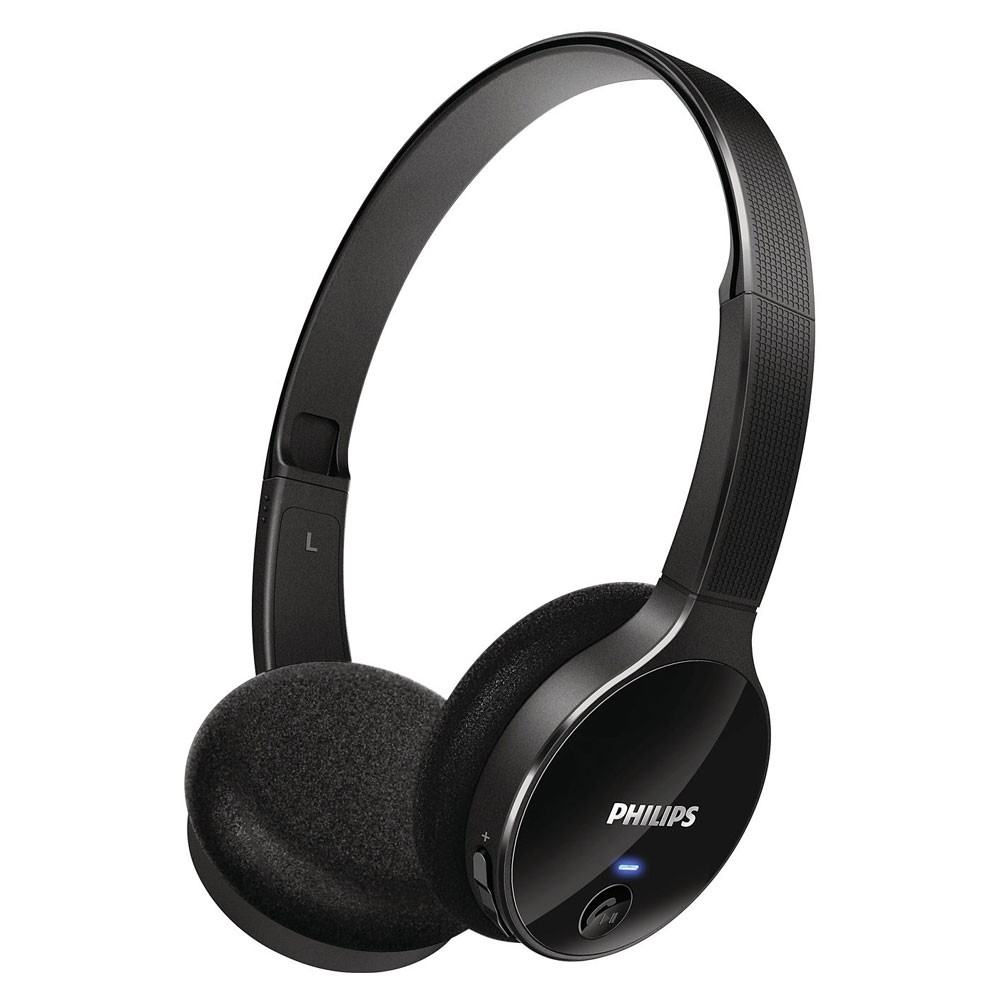
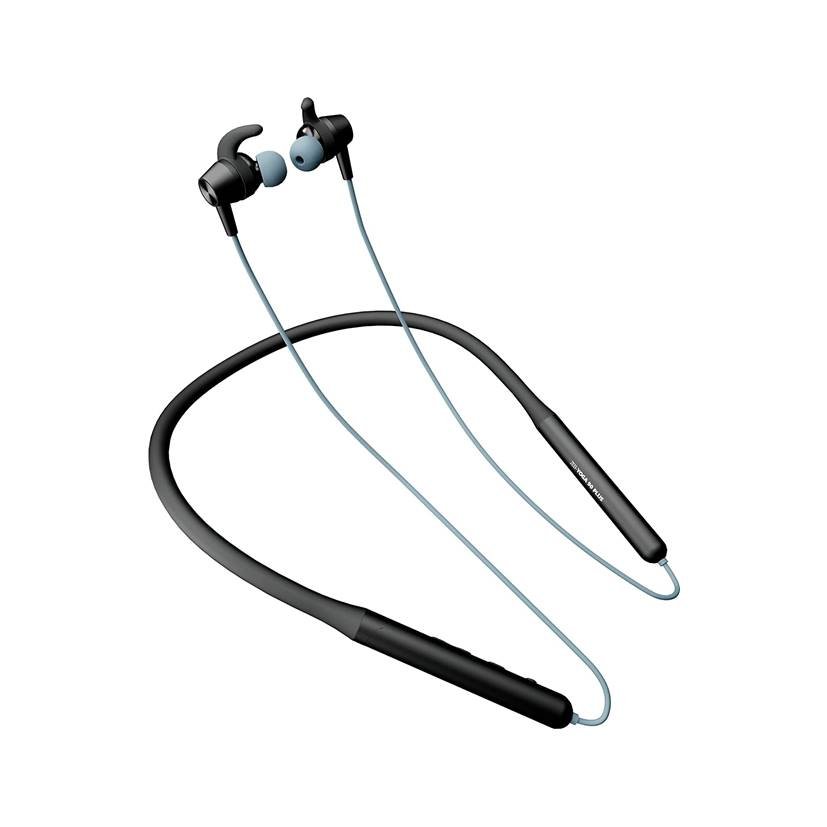
Philips SHB4000 vs Zebronics Zeb-Yoga 90+
Advertisement
| Specification | ||
|---|---|---|
| Price | Rs.2,288.00 |
Rs.2,299.00 |
| Brand | Philips |
Zebronics |
| Model No | SHB4000 |
Zeb-Yoga 90+ |
| Wired / Wireless | Wireless Headphone Specification |
Wireless Headphone Specification |
| Headphone Type | On Ear |
Neckband |
| Magnet Type | Neodymium |
Dynamic |
| Driver Diameter | 32 mm |
10 mm |
| Impedance | 24 ohms |
32 ohm |
| Sensitivity | NA |
NA |
| Frequency Response | 20 - 20,000 Hz |
20 Hz - 20000 Hz |
| Maximum Power Input | 100 mW |
DC 5V |
| Wireless / Bluetooth Details | ||
| Wireless Technology | Bluetooth |
Bluetooth |
| Bluetooth Version | 3.0 |
5.0 |
| Compatible Profiles | A2DP, AVRCP, HFP, HSP |
All Bluetooth Devices |
| Supported Codecs | SBC, AAC |
HSP, HFP , A2DP, AVRCP |
| Battery Type | LI-Polymer Rechargeable Battery |
Lithium-ion Batteries |
| Bluetooth Range | 49 ft (15 m) |
10 Meters |
| Battery Life | Music Playtime: 9 hr |
10 Hours |
| Charging Time | NA |
1 Hours |
| Noise Cancelling | No |
NA |
| Available Colors | Black, White |
Blue, Red, Green, Yellow |
| Connector Plating | NA |
NA |
| Cable | NA |
USB Type-C Charging Cable |
| Weight | 71 g |
31.3 Gm |
| Other Features | - Built-In microphone for Call Management - Last number redial, Call on Hold - Volume control: Yes |
Have a tangle-free experience as the wireless neckband earphone features a magnetic earpiece to make it hassle-free. ZEB-Yoga 90+ features a sporty earbuds design and has 10mm drivers that give a better soundstage and better audio reproduction. ZEB-Yoga 90+ features a flexible neckband design that is lightweight makes it more comfortable to wear for a longer duration and the portable design makes it super handy. Listen to audio like never before with ZEB-Yoga 90+ wireless neckband earphone that makes you cherish your music even more with features like a splash proof neckband design, lightweight structure, different colors & more. ZEB-Yoga 90+ wireless neckband earphone has support for Google Assistant and Siri, just press a button and get answers to all your questions. It also comes with volume, media controls along with a call function as well. |
Advertisement
Compare Philips SHB4000 with:
Compare Zebronics Zeb-Yoga 90+ with:
Top Differences
- Battery Life: Music Playtime: 9 hr, Talk Time: 9 hr, Standby Time: 200 hr vs 10 Hours
- Noise Cancelling: No vs NA
- Driver Size: 32 mm vs 10 mm
- Bluetooth: 3.0 vs 5.0
- Weight: 71 g vs 31.3 Gm
Advertisement