 ALERT
ALERT
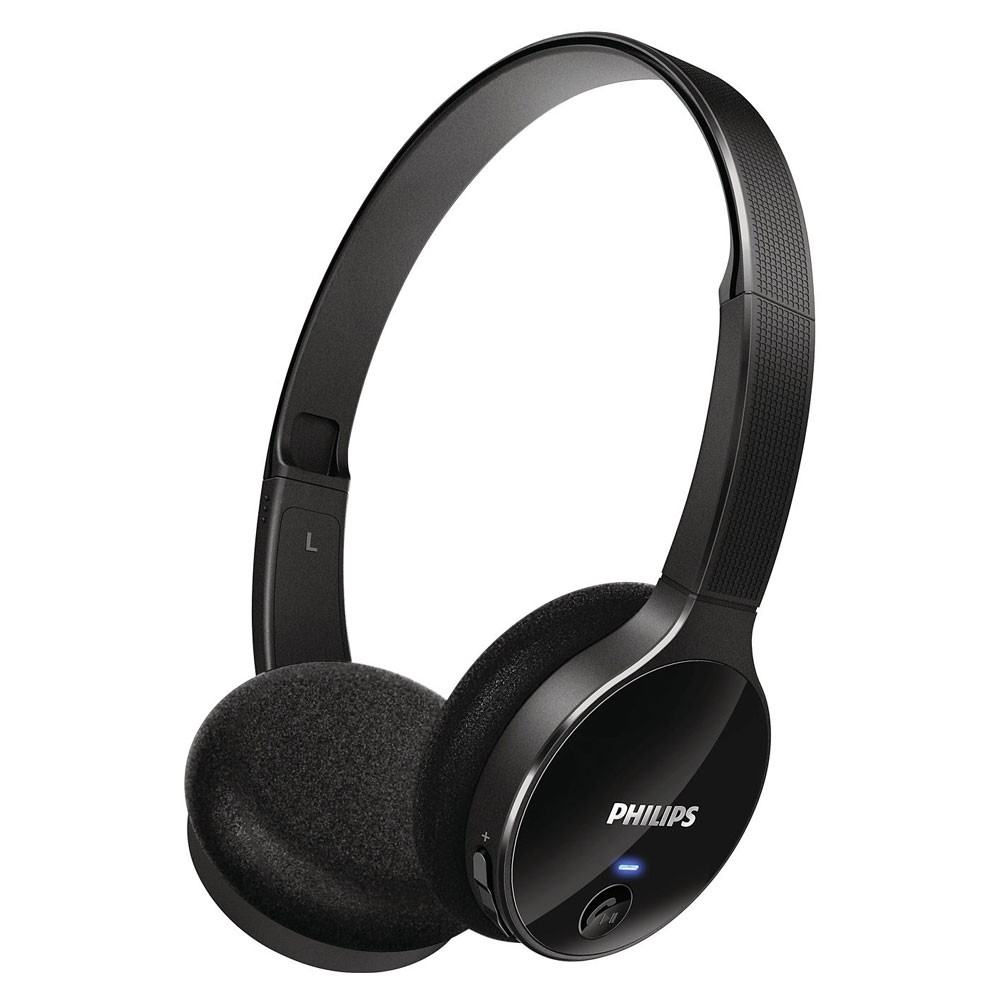
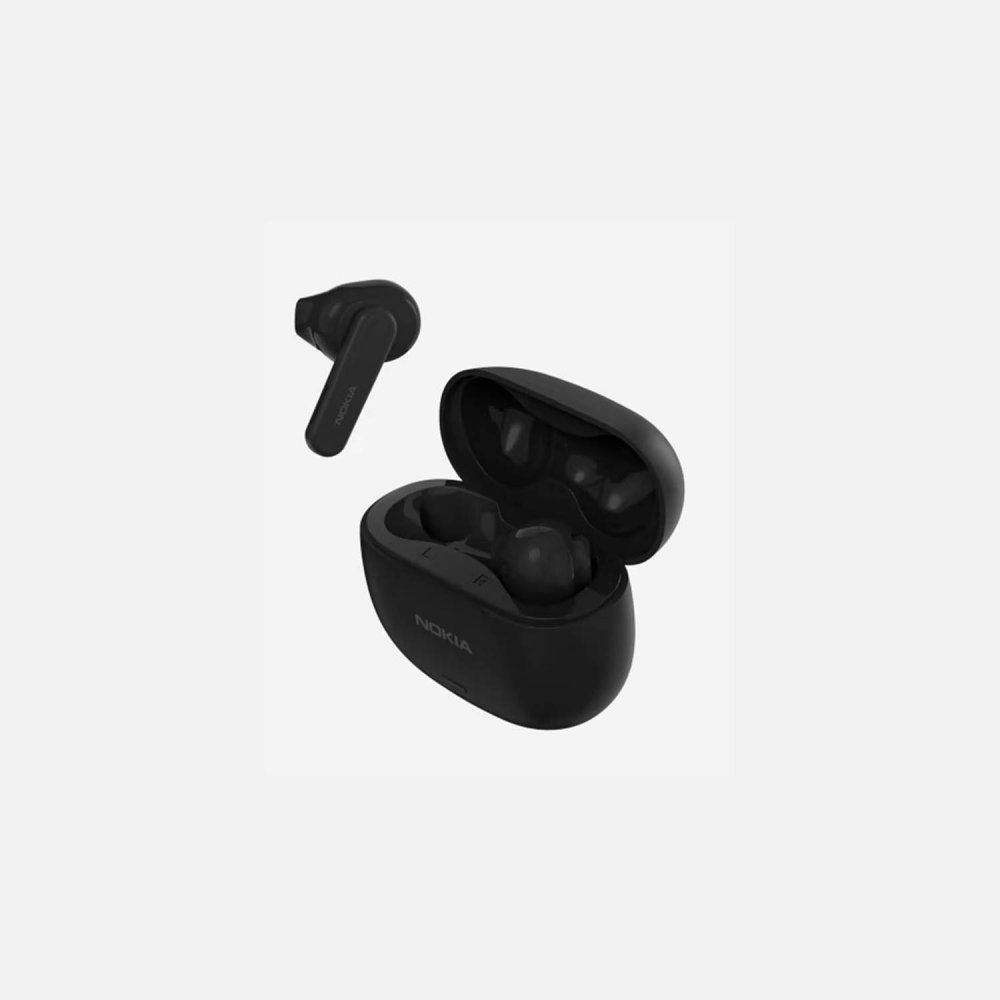
Philips SHB4000 vs Nokia Go Earbuds 2 +
Advertisement
| Specification | ||
|---|---|---|
| Price | Rs.2,288.00 |
Rs.2,299.00 |
| Brand | Philips |
Nokia |
| Model No | SHB4000 |
Go Earbuds 2 + |
| Wired / Wireless | Wireless Headphone Specification |
Wireless Headphone Specification |
| Headphone Type | On Ear |
In Ear Canal |
| Magnet Type | Neodymium |
Neodymium |
| Driver Diameter | 32 mm |
10 mm |
| Impedance | 24 ohms |
NA |
| Sensitivity | NA |
NA |
| Frequency Response | 20 - 20,000 Hz |
20 Hz To 20000 kHz |
| Maximum Power Input | 100 mW |
40 mAh |
| Wireless / Bluetooth Details | ||
| Wireless Technology | Bluetooth |
Bluetooth |
| Bluetooth Version | 3.0 |
5.2 |
| Compatible Profiles | A2DP, AVRCP, HFP, HSP |
All Bluetooth Devices |
| Supported Codecs | SBC, AAC |
HSP, HFP, AVRCP, A2DP |
| Battery Type | LI-Polymer Rechargeable Battery |
Lithium Polymer |
| Bluetooth Range | 49 ft (15 m) |
10 Meters |
| Battery Life | Music Playtime: 9 hr |
24 Hours |
| Charging Time | NA |
1.5 Hours |
| Noise Cancelling | No |
Environmental Noise Cancellation |
| Available Colors | Black, White |
Black, White |
| Connector Plating | NA |
NA |
| Cable | NA |
USB Type-C Charging Cable |
| Weight | 71 g |
48 gm |
| Other Features | - Built-In microphone for Call Management - Last number redial, Call on Hold - Volume control: Yes |
10 mm audio drivers deliver a balanced sound.  Comfortable, lightweight earbuds with a secure fit. Environmental noise cancelling for improved call clarity.  Up to 24 hours of listening time with the charging carry case.  Get connected to your devices quick and easily with Fast Pair.   Ergonomic hybrid earbud design for a secure and comfortable fit. Workouts and rainy days are no problem thanks to IPX4 resistance. Get connected to all your favorite devices quickly and easily with the power of Fast Pair, using Bluetooth® 5.2 technology. Enjoy clearer calls with environmental noise cancelling, helping to reduce surrounding background sound to let you focus more on your conversation. |
Advertisement
Compare Philips SHB4000 with:
Compare Nokia Go Earbuds 2 + with:
Top Differences
- Battery Life: Music Playtime: 9 hr, Talk Time: 9 hr, Standby Time: 200 hr vs 24 Hours
- Noise Cancelling: No vs Environmental Noise Cancellation
- Driver Size: 32 mm vs 10 mm
- Bluetooth: 3.0 vs 5.2
- Weight: 71 g vs 48 gm
Advertisement