 ALERT
ALERT
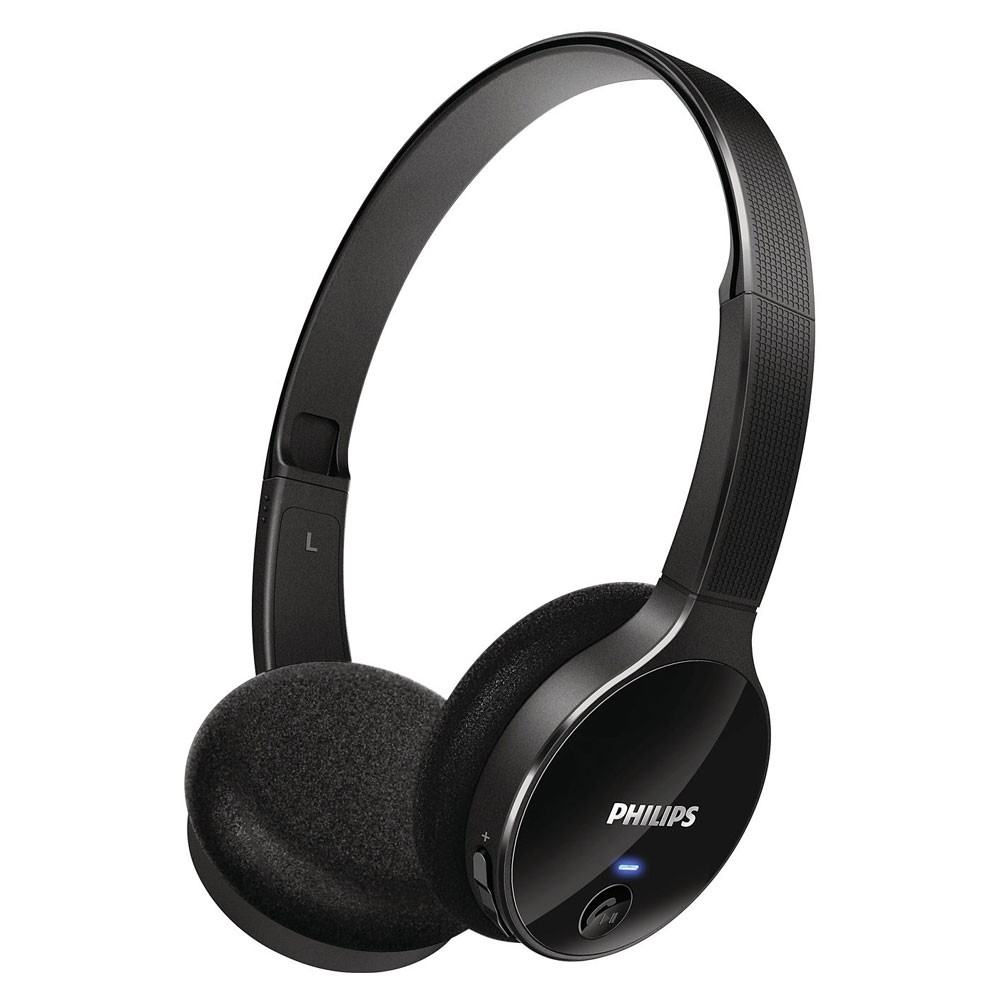
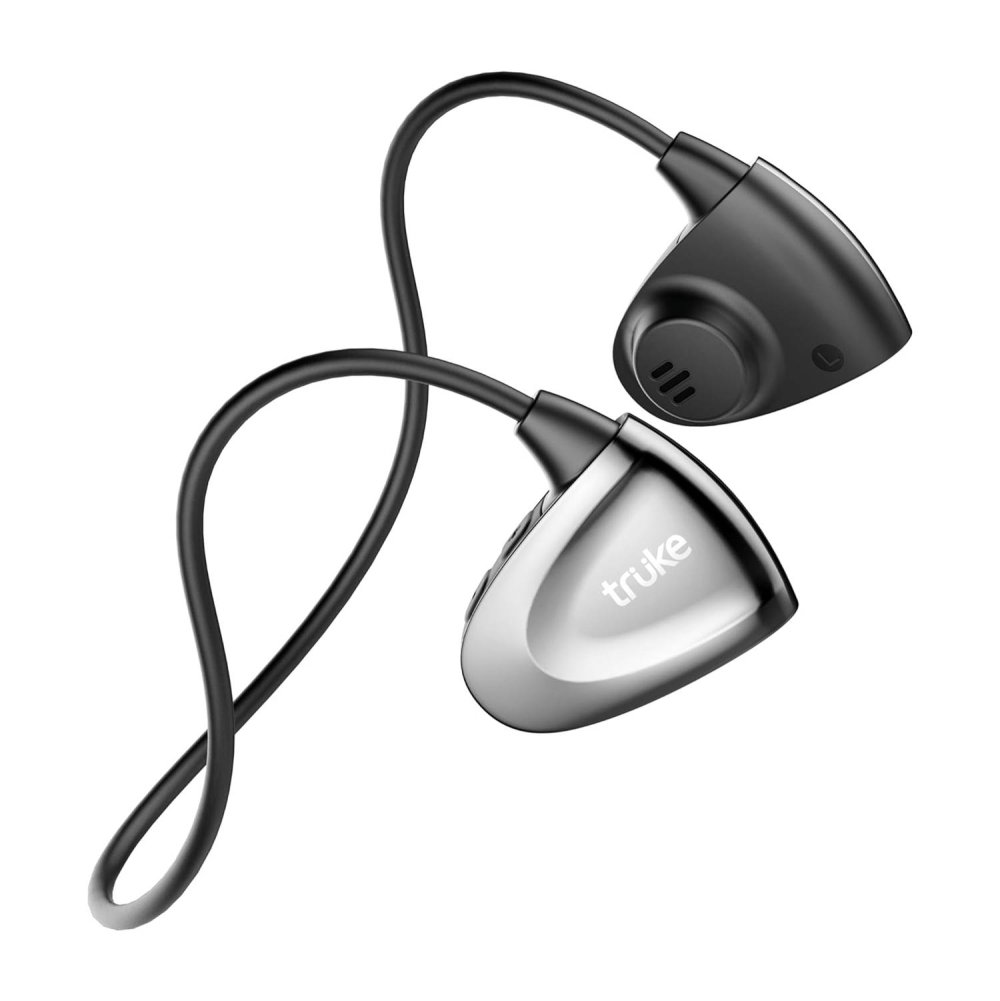
Philips SHB4000 vs Truke Yoga Beat
Advertisement
| Specification | ||
|---|---|---|
| Price | Rs.2,288.00 |
Rs.2,299.00 |
| Brand | Philips |
Truke |
| Model No | SHB4000 |
Yoga Beat |
| Wired / Wireless | Wireless Headphone Specification |
Wireless Headphone Specification |
| Headphone Type | On Ear |
On Ear |
| Magnet Type | Neodymium |
Dynamic |
| Driver Diameter | 32 mm |
14.2 mm |
| Impedance | 24 ohms |
NA |
| Sensitivity | NA |
NA |
| Frequency Response | 20 - 20,000 Hz |
20Hz - 20 KHz |
| Maximum Power Input | 100 mW |
5 V DC |
| Wireless / Bluetooth Details | ||
| Wireless Technology | Bluetooth |
Bluetooth |
| Bluetooth Version | 3.0 |
5.4 |
| Compatible Profiles | A2DP, AVRCP, HFP, HSP |
All Bluetooth Devices |
| Supported Codecs | SBC, AAC |
AAC, SBC |
| Battery Type | LI-Polymer Rechargeable Battery |
Lithium-Ion Batteries |
| Bluetooth Range | 49 ft (15 m) |
10 Meters |
| Battery Life | Music Playtime: 9 hr |
30 Hours |
| Charging Time | NA |
1 Hours |
| Noise Cancelling | No |
NA |
| Available Colors | Black, White |
Black, Orange, Gold |
| Connector Plating | NA |
NA |
| Cable | NA |
USB Type-C Charging Cable |
| Weight | 71 g |
17 GM |
| Other Features | - Built-In microphone for Call Management - Last number redial, Call on Hold - Volume control: Yes |
Touch Controls : With intuitive touch controls, managing your music, calls, and voice assistant is simple and hassle-free. Super Soft Design : Designed for extended wear, the Truke Yoga Beat features a super soft design that is lightweight and ergonomically crafted, providing maximum comfort during long listening sessions. Latest Bluetooth 5.4 Version : Featuring the latest Bluetooth 5.4 technology, the Truke Yoga Beat offers faster pairing, improved connectivity, and enhanced range, ensuring a stable and efficient wireless experience. Dual MEMS Mic for Crystal Clear Calls : Equipped with dual MEMS microphones, the Truke Yoga Beat ensures exceptional voice clarity and reduces background noise, providing you with crystal clear call quality every time. Dual Device Connection : The dual device connection feature allows you to connect and switch between two devices seamlessly, making it convenient to manage calls and media without the hassle of constantly disconnecting and reconnecting. Open-Ear Neckband with 360-Degree Titanium Alloy Flex : The open-ear neckband design, combined with 360-degree titanium alloy flex, offers a perfect balance of comfort and durability, allowing for a secure fit that adapts to your movements. 30 Hours of Total Playtime with Fast Charging: Enjoy up to 30 hours of playtime on a single charge. With fast charging capabilities, a quick charge will get you back to your music or calls in no time, ensuring you stay connected throughout the day. |
Advertisement
Compare Philips SHB4000 with:
Compare Truke Yoga Beat with:
Top Differences
- Battery Life: Music Playtime: 9 hr, Talk Time: 9 hr, Standby Time: 200 hr vs 30 Hours
- Noise Cancelling: No vs NA
- Driver Size: 32 mm vs 14.2 mm
- Bluetooth: 3.0 vs 5.4
- Weight: 71 g vs 17 GM
Advertisement