 ALERT
ALERT
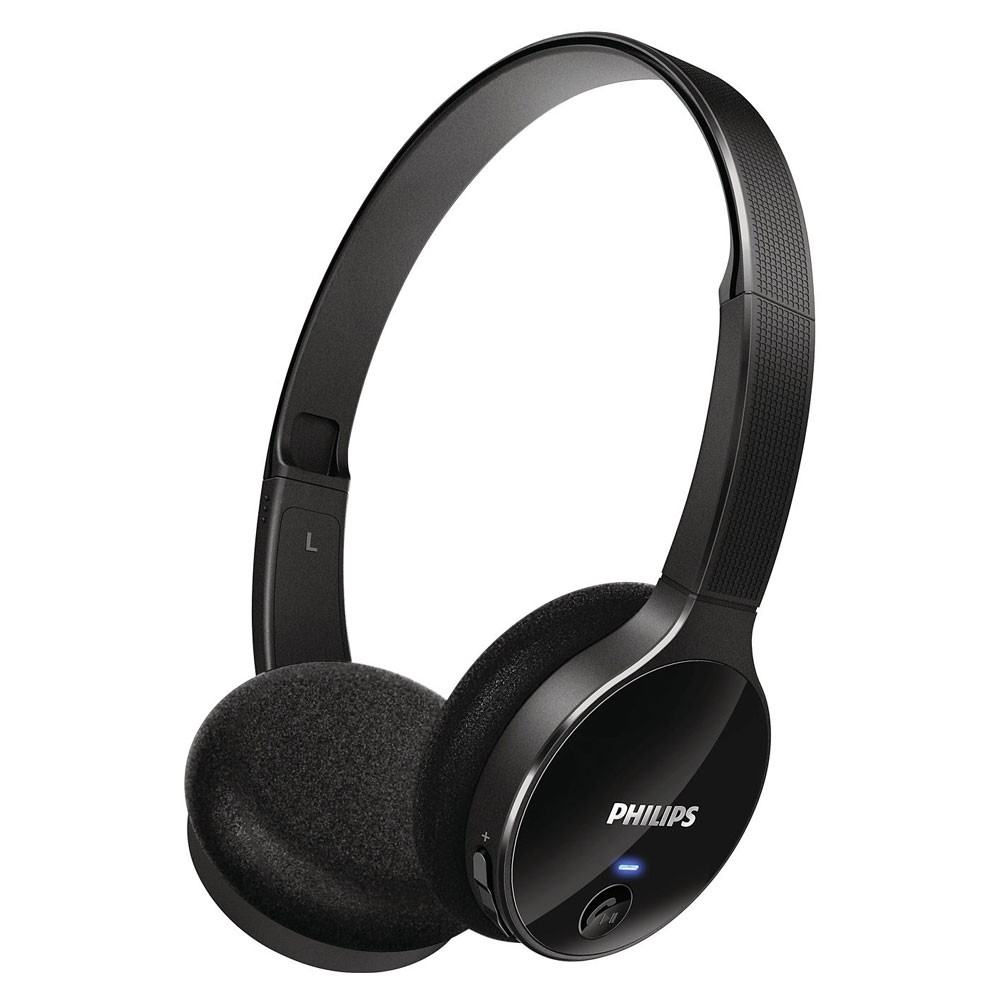
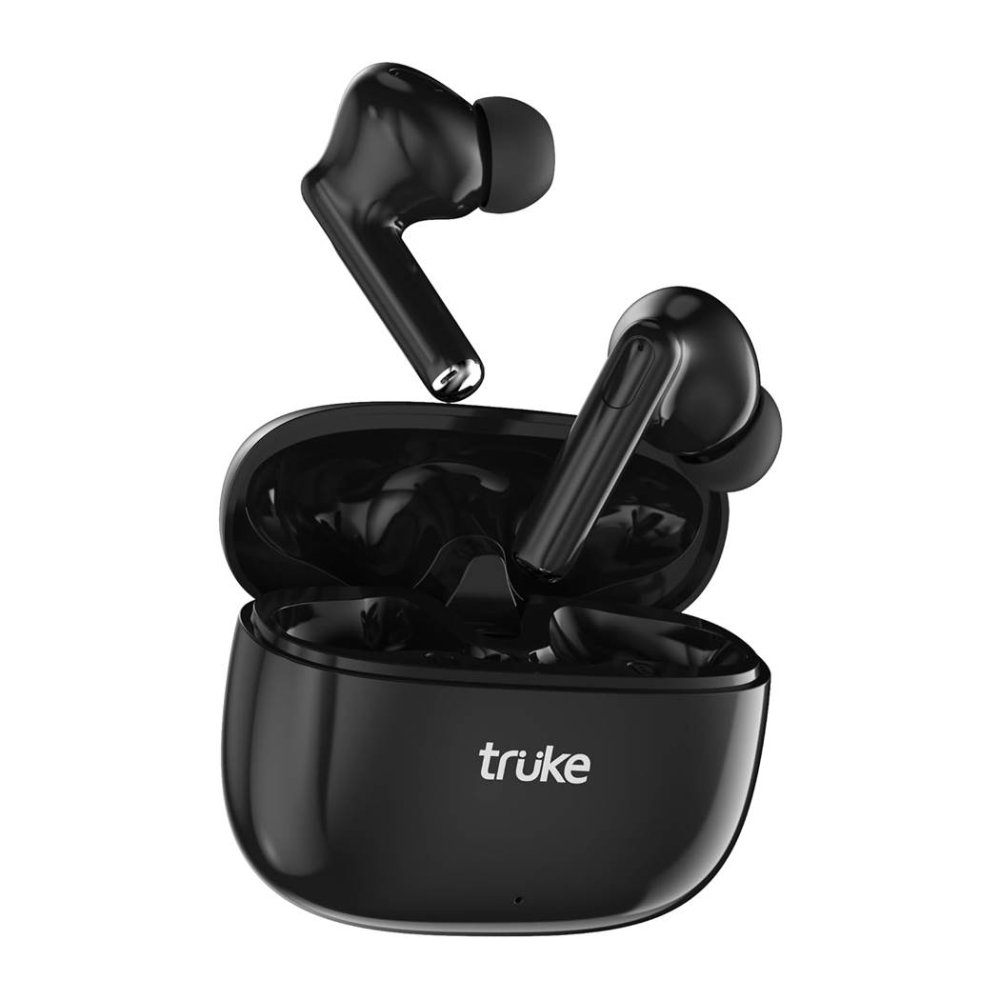
Philips SHB4000 vs Truke Elite Buds
Advertisement
| Specification | ||
|---|---|---|
| Price | Rs.2,288.00 |
Rs.2,299.00 |
| Brand | Philips |
Truke |
| Model No | SHB4000 |
Elite Buds |
| Wired / Wireless | Wireless Headphone Specification |
Wireless Headphone Specification |
| Headphone Type | On Ear |
In Ear |
| Magnet Type | Neodymium |
Dynamic |
| Driver Diameter | 32 mm |
10 mm |
| Impedance | 24 ohms |
NA |
| Sensitivity | NA |
NA |
| Frequency Response | 20 - 20,000 Hz |
20Hz - 20 KHz |
| Maximum Power Input | 100 mW |
5 V 1A |
| Wireless / Bluetooth Details | ||
| Wireless Technology | Bluetooth |
Bluetooth |
| Bluetooth Version | 3.0 |
5.4 |
| Compatible Profiles | A2DP, AVRCP, HFP, HSP |
All Bluetooth Devices |
| Supported Codecs | SBC, AAC |
AAC, SBC |
| Battery Type | LI-Polymer Rechargeable Battery |
Lithium-Ion Batteries |
| Bluetooth Range | 49 ft (15 m) |
10 Meters |
| Battery Life | Music Playtime: 9 hr |
70 Hours |
| Charging Time | NA |
1 Hours |
| Noise Cancelling | No |
Environmental Noise Cancellation |
| Available Colors | Black, White |
Black, White |
| Connector Plating | NA |
NA |
| Cable | NA |
USB Type-C Charging Cable |
| Weight | 71 g |
38 GM |
| Other Features | - Built-In microphone for Call Management - Last number redial, Call on Hold - Volume control: Yes |
1 Year Warranty. IPX5 Water & Sweat Resistance For Durability : Designed to withstand sweat, splashes, and light rain, making it an ideal choice for workouts, outdoor activities, and daily use. Immersive Sound With 10mm Dynamic Drivers : Experience rich, powerful bass and high-fidelity sound for a truly immersive audio experience, perfect for music lovers and audiophiles. Elite Gaming Mode With 40ms Ultra-Low Latency : Activate the dedicated gaming mode for an ultra-responsive experience with 40ms latency, delivering precise audio synchronization for competitive gaming. Smart Touch & Volume Controls For Easy Access : Effortlessly manage music playback, adjust volume, answer calls, and activate voice assistants with responsive touch controls for a smooth user experience. Versatile Use For Music, Calls & Gaming : Designed for music lovers, professionals, and gamers, offering a premium, feature-rich experience with powerful sound, seamless connectivity, and durable performance. Massive 70-Hour Playtime With Rapid Charging : Get up to 10 hours of playtime per charge, with the charging case extending it to 70 hours. A quick charge of just 10 minutes provides up to 10 hours of playback. Bluetooth 5.4 For Stable & Energy-Efficient Connectivity : The latest Bluetooth 5.4 technology provides a stronger, faster, and more power-efficient connection, ensuring minimal dropouts and seamless audio transmission. Dual Mic With PureVoice ENC for Crystal-Clear Calls : Advanced Environmental Noise Cancellation (ENC) technology with dual microphones effectively suppresses background noise, ensuring clear voice communication in any environment. |
Advertisement
Compare Philips SHB4000 with:
Compare Truke Elite Buds with:
Top Differences
- Battery Life: Music Playtime: 9 hr, Talk Time: 9 hr, Standby Time: 200 hr vs 70 Hours
- Noise Cancelling: No vs Environmental Noise Cancellation
- Driver Size: 32 mm vs 10 mm
- Bluetooth: 3.0 vs 5.4
- Weight: 71 g vs 38 GM
Advertisement