 ALERT
ALERT
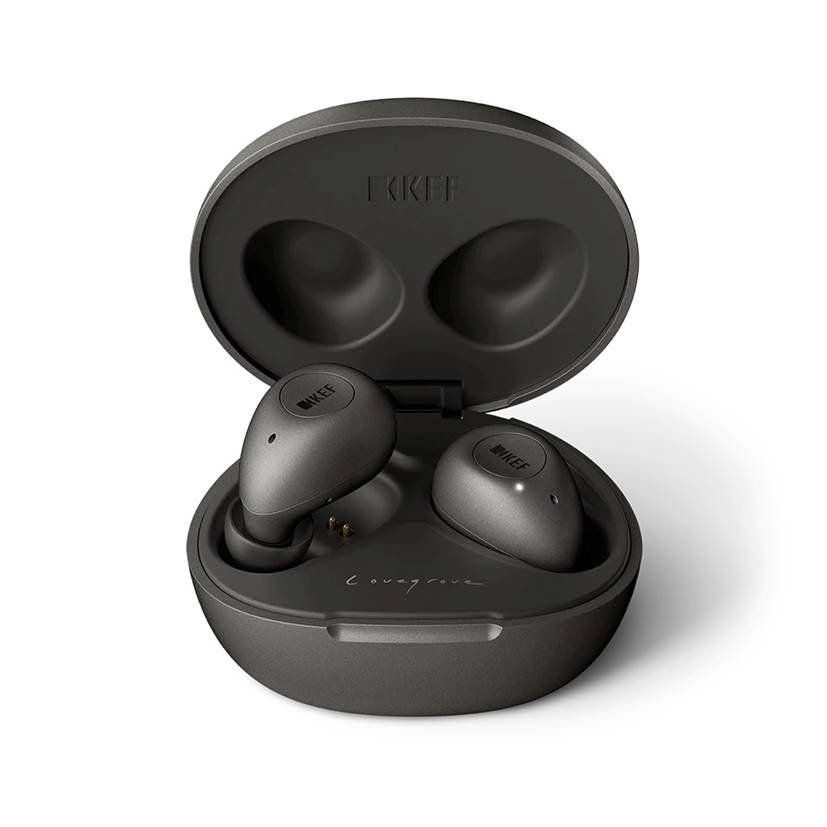
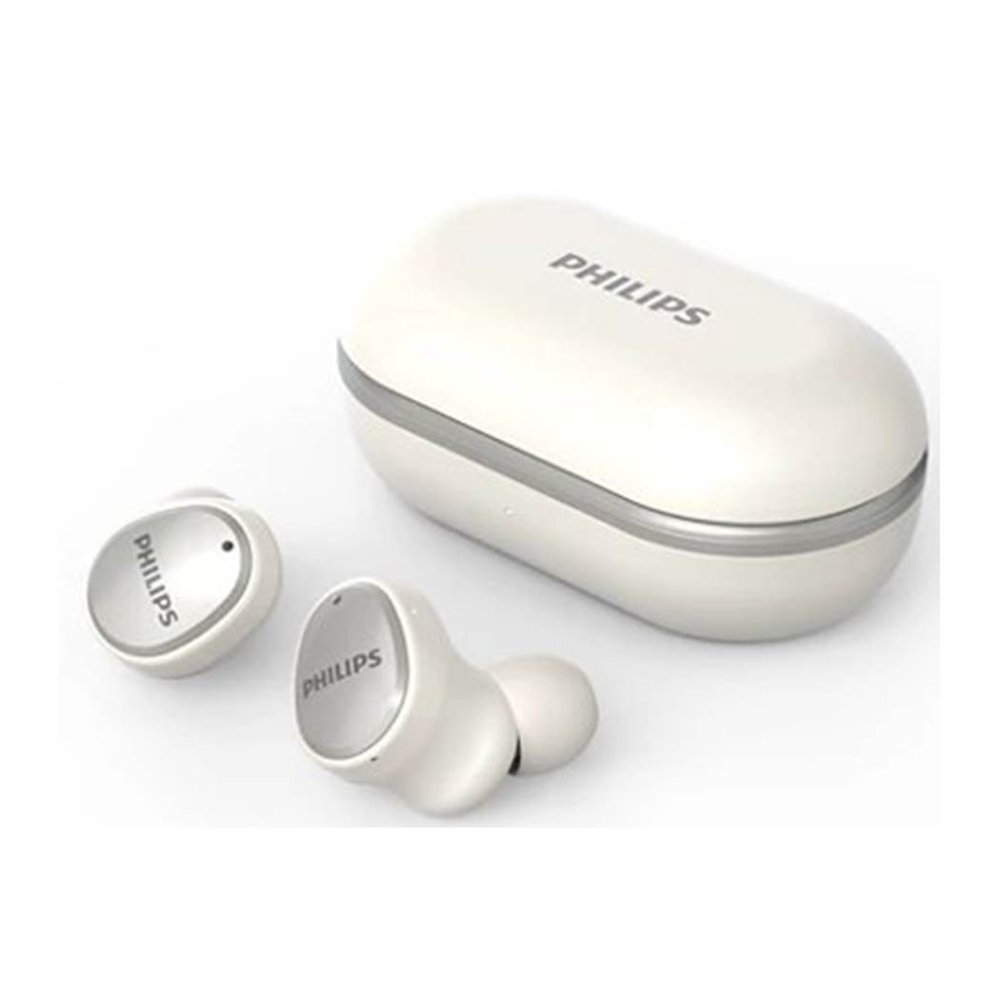
KEF Mu3 vs Philips TAT5556WT
Advertisement
| Specification | ||
|---|---|---|
| Price | Rs.10,796.33 |
Rs.10,936.20 |
| Brand | KEF |
Philips |
| Model No | Mu3 |
TAT5556WT |
| Wired / Wireless | Wireless Headphone Specification |
Wireless Headphone Specification |
| Headphone Type | In Ear |
In Ear |
| Magnet Type | Dynamic |
Dynamic / Neodymium |
| Driver Diameter | 8.2 mm |
12 mm |
| Impedance | 16 Ohm |
16 Ohms |
| Sensitivity | 104 dB SPL |
105dB @1K Hz |
| Frequency Response | 20 Hz - 20000 Hz |
20Hz - 20KHz |
| Maximum Power Input | DC 5V 600mA |
5 mW |
| Wireless / Bluetooth Details | ||
| Wireless Technology | Bluetooth |
Bluetooth |
| Bluetooth Version | 5.0 |
5.0 |
| Compatible Profiles | All Bluetooth Devices |
All Bluetooth Devices |
| Supported Codecs | SBC, AAC |
AAC, SBC, aptx |
| Battery Type | Lithium-ion Batteries |
Lithium-Ion Batteries |
| Bluetooth Range | 10 Meters |
10 Meters |
| Battery Life | 9 / 15 Hours |
8 + 20 Hours |
| Charging Time | 2 Hours |
< 2 Hours |
| Noise Cancelling | Active NC |
Hybrid Active Noise Cancelling Pro |
| Available Colors | Black, Grey |
White |
| Connector Plating | NA |
NA |
| Cable | USB Type-C Charging Cable |
USB Type-C Charging Cable |
| Weight | 52.6‬ Gm |
48 GM |
| Other Features | Voice Call - Take calls with a simple press. IPX5 Splash-Proof - Designed for all weather conditions. Fast Charging - Fast charging of 5 mins allows for 1-hour use. Ambient Mode - When you need to be aware of the surroundings. Up to 24-hr use - 9 hours at full charge plus 15 hours with charging case. Bluetooth 5.0 - For exceptionally stable connections with both iOS and Android devices. Active Noise Cancellation - Tuned to eliminate external sound while preserving nuance and detail. |
Easy control and pairing. Great sound, sleek looks. Ready for your day. Or night. Secure, comfortable in-ear fit. IPX4 splash- and sweat-resistant. Clear calls, using one earbud or both. Sleek design with Noise Canceling Pro. Music play time ANC On : 7 + 15 Hours. Music play time ANC Off : 8 + 20 Hours. Great sound from 12 mm neodymium drivers. Philips Headphones app. Custom sound and more. IR sensor. Music pauses when you take an earbud out. Quick reconnect to your phone when you open the case. Qi-compatible case can be charged wirelessly or via USB-C. Handy wireless charging case. Get up to 22 hours play time. |
Advertisement
Compare KEF Mu3 with:
Compare Philips TAT5556WT with:
Top Differences
- Battery Life: 9 / 15 Hours vs 8 + 20 Hours
- Driver Size: 8.2 mm vs 12 mm
- Weight: 52.6‬ Gm vs 48 GM
- Impedance: 16 Ohm Vs 16 Ohms
Advertisement