 ALERT
ALERT
KEF Mu3 vs Cleer Audio FLOW
Advertisement
| Specification | ||
|---|---|---|
| Price | Rs.10,796.33 |
Rs.10,660.42 |
| Brand | KEF |
Cleer Audio |
| Model No | Mu3 |
FLOW |
| Wired / Wireless | Wireless Headphone Specification |
Wireless Headphone Specification |
| Headphone Type | In Ear |
Over Ear |
| Magnet Type | Dynamic |
Neodymium IronlessTM |
| Driver Diameter | 8.2 mm |
40 mm |
| Impedance | 16 Ohm |
NA |
| Sensitivity | 104 dB SPL |
NA |
| Frequency Response | 20 Hz - 20000 Hz |
20 Hz - 40000 Hz |
| Maximum Power Input | DC 5V 600mA |
3.7 V |
| Wireless / Bluetooth Details | ||
| Wireless Technology | Bluetooth |
Bluetooth |
| Bluetooth Version | 5.0 |
4.2 |
| Compatible Profiles | All Bluetooth Devices |
All Bluetooth Devices |
| Supported Codecs | SBC, AAC |
A2DP, AVRCP, HFP, HSP, SBC, AAC, aptX, aptX HD, & LDAC |
| Battery Type | Lithium-ion Batteries |
Lithium-Ion Batteries |
| Bluetooth Range | 10 Meters |
10 Meters |
| Battery Life | 9 / 15 Hours |
20 Hours |
| Charging Time | 2 Hours |
2 Hours |
| Noise Cancelling | Active NC |
HNC |
| Available Colors | Black, Grey |
Black |
| Connector Plating | NA |
3.5 mm |
| Cable | USB Type-C Charging Cable |
Micro USB Charging Cable |
| Weight | 52.6‬ Gm |
327 Gm |
| Other Features | Voice Call - Take calls with a simple press. IPX5 Splash-Proof - Designed for all weather conditions. Fast Charging - Fast charging of 5 mins allows for 1-hour use. Ambient Mode - When you need to be aware of the surroundings. Up to 24-hr use - 9 hours at full charge plus 15 hours with charging case. Bluetooth 5.0 - For exceptionally stable connections with both iOS and Android devices. Active Noise Cancellation - Tuned to eliminate external sound while preserving nuance and detail. |
Hybrid noise cancelling technology. Up to 20-hours playback for all-day audio. Built-in microphone for flexible functionality. Swivel, folding design for comfort and storage. 40mm Ironless Drivers for bold Hi-Res sound quality. 10 mins of quick charging provides 2 hours of playback. Bluetooth® 4.2 with NFC for powerful wireless performance. Button controls for Noise Cancellation and Ambient Mode. Soft touch operation for play, pause, calls, and swipe for volume. |
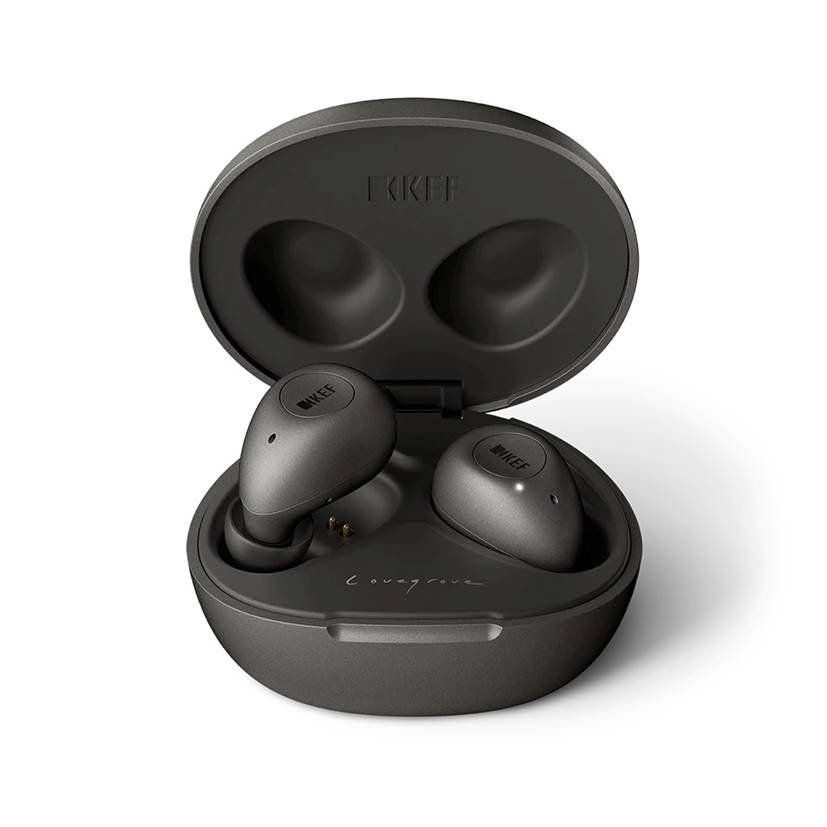
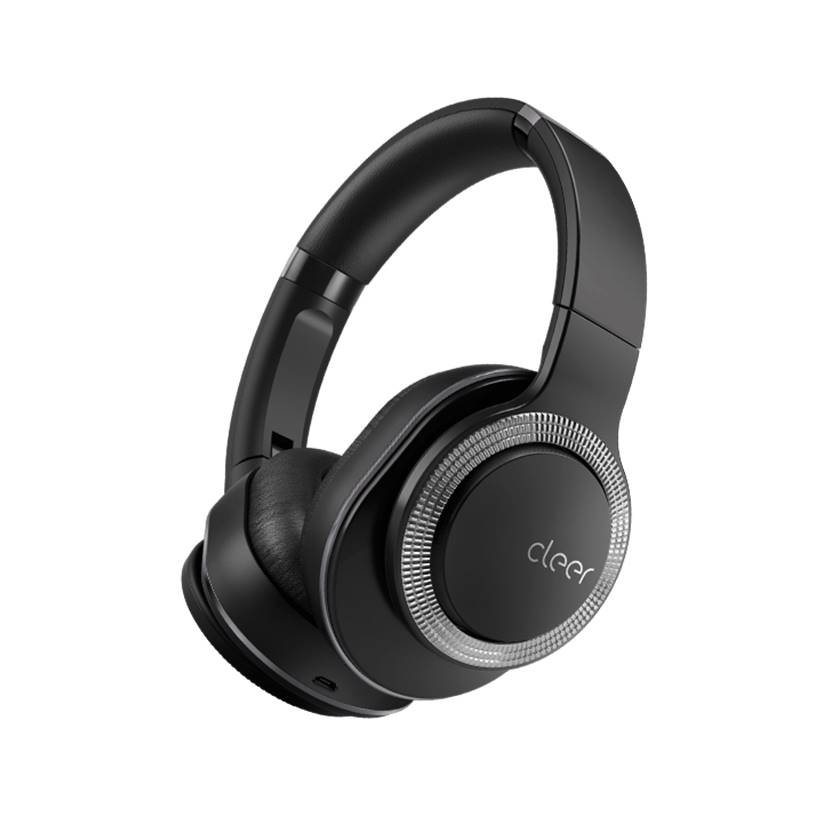
Advertisement
Compare KEF Mu3 with:
Compare Cleer Audio FLOW with:
Top Differences
- Battery Life: 20 Hours vs 9 / 15 Hours
- Noise Cancelling: HNC vs Active NC
- Driver Size: 40 mm vs 8.2 mm
- Bluetooth: 4.2 vs 5.0
- Weight: 327 Gm vs 52.6‬ Gm
Advertisement