 ALERT
ALERT
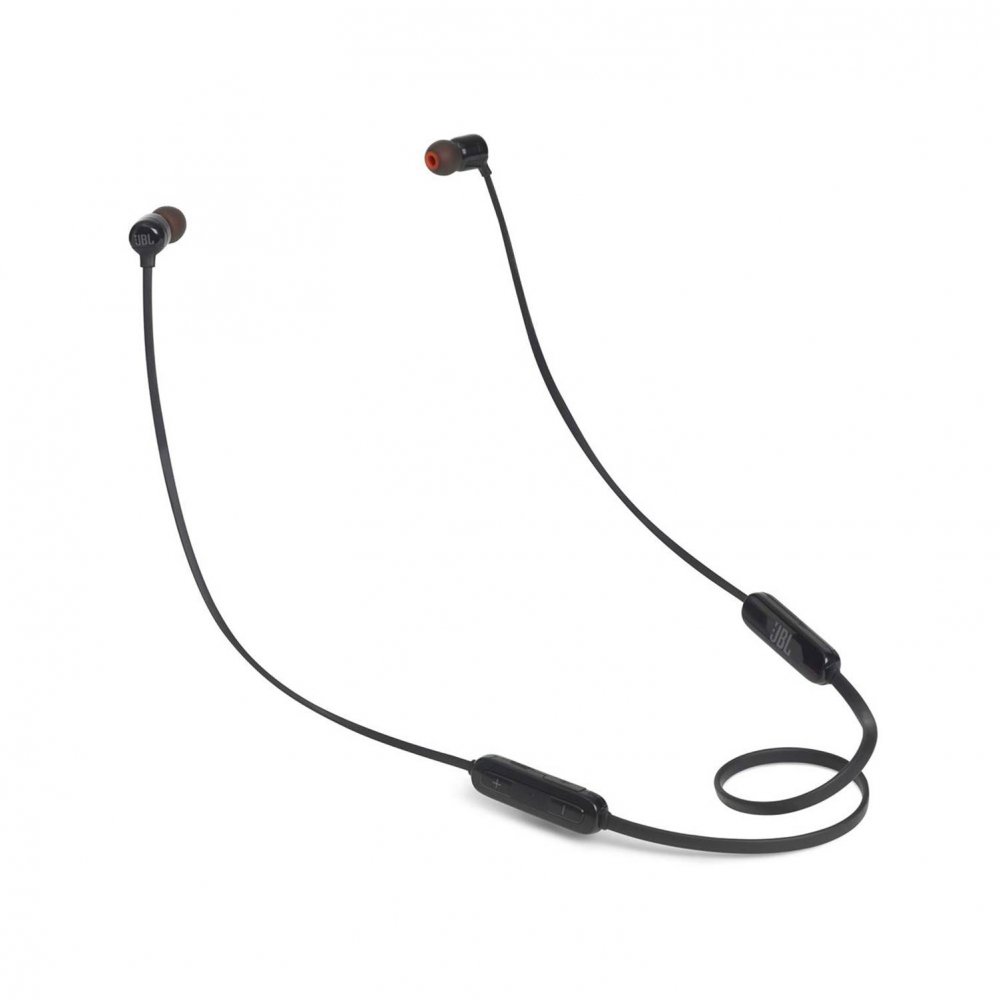
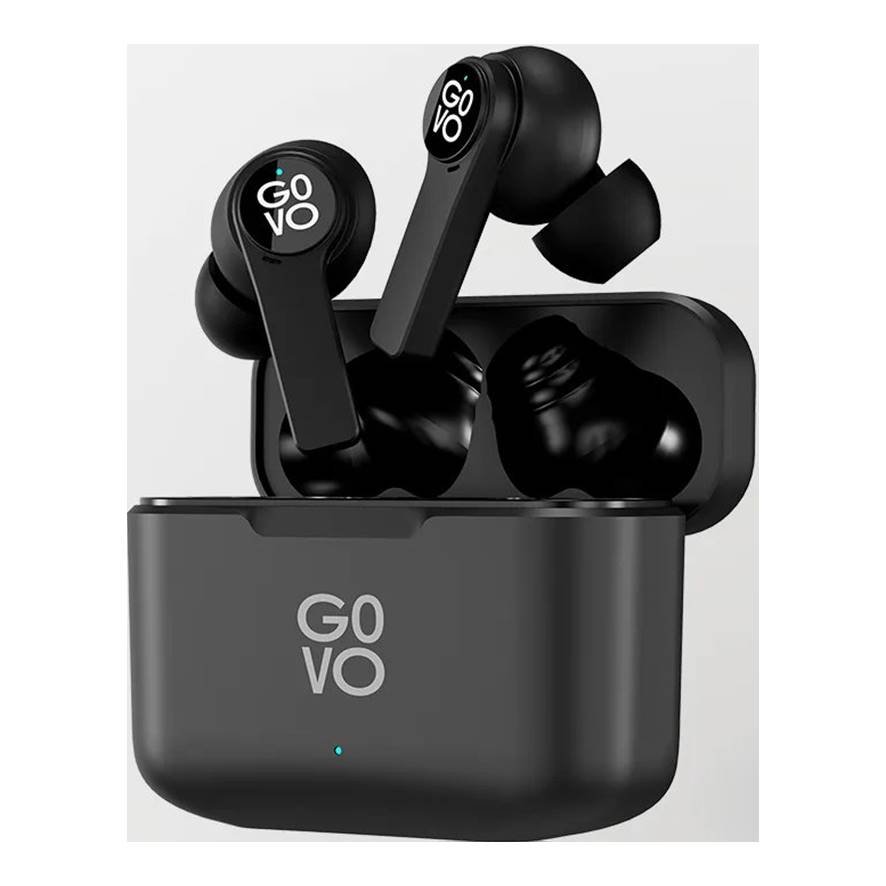
JBL TUNE 110BT vs GOVO GoBuds 621
Advertisement
| Specification | ||
|---|---|---|
| Price | Rs.1,999.00 |
Rs.1,999.00 |
| Brand | JBL |
GOVO |
| Model No | TUNE 110BT |
GoBuds 621 |
| Wired / Wireless | Wireless Headphone Specification |
Wireless Headphone Specification |
| Headphone Type | In Ear |
In Ear |
| Magnet Type | Dynamic |
Dynamic |
| Driver Diameter | 8.6 mm |
10 mm |
| Impedance | 16 ohm |
32 Ohms |
| Sensitivity | 96dB |
105dB±3dB |
| Frequency Response | 20 Hz - 20000 kHz |
20H - 20KHz |
| Maximum Power Input | NA |
DC 5V, 1A |
| Wireless / Bluetooth Details | ||
| Wireless Technology | Bluetooth |
Bluetooth |
| Bluetooth Version | 4.0 |
5.1 |
| Compatible Profiles | All Bluetooth Devices |
All Bluetooth Devices |
| Supported Codecs | HFP, HSP, AVRCP, A2DP |
AAC, SBC |
| Battery Type | Polymer Li-ion Battery |
Lithium-Ion Batteries |
| Bluetooth Range | 10 Meters |
10 Meters |
| Battery Life | >6 Hours |
25 Hours |
| Charging Time | <2 Hours |
1 Hours |
| Noise Cancelling | NA |
Environmental Noise Cancelling |
| Available Colors | Black, White, Blue, Grey, Pink |
Black |
| Connector Plating | No |
NA |
| Cable | ICON Charging Cable |
USB Type-C Charging Cable |
| Weight | 16.2 gm |
110 GM |
| Other Features | JBL Pure Bass Sound. Magnetic cable management. 3-Button Remote with Microphone. One year manufacturer’s warranty. A grab 'n' go solution that sounds great. 6 hours of playtime under optimum audio settings. Lightweight and Comfortable with 3 sizes of ear tips. |
One Year Warranty. 10 min charge for 180 min playtime. The ergonomic design ensures comfortable and long-lasting wear, while the IPX4 water resistance provides peace of mind for all your adventures. Connect to your device with Bluetooth V5.1 and access voice assistants like Google and Siri with ease, all with just a tap on the super touch controls. With its sleek design, GOVO GoBuds 621 are the perfect earbuds to elevate your audio experience. They are the best earbuds under 2000 that provide true wireless freedom and convenience. Whether you are working out, commuting, or just lounging at home, these earbuds are perfect for any activity. Experience sound like never before with GOVO GoBuds 621, the true wireless earbuds that deliver rich and dynamic audio powered by 10mm drivers. Enjoy uninterrupted music for up to 20 hours with a battery capacity of 600 mAh in the case and 40 mAh in each earbud. Need a quick charge? Simply charge for 10 minutes and get 120 minutes of playtime. Upgrade your music game with GOVO GoBuds 621 and enjoy an immersive audio experience with features like fast charging, touch controls, voice assistants, and water resistance. With these earbuds, you can enjoy the convenience of wireless audio without compromising on sound quality. Order your GOVO GoBuds 621 today and discover what you have been missing. |
Advertisement
Compare JBL TUNE 110BT with:
Compare GOVO GoBuds 621 with:
Top Differences
- Battery Life: >6 Hours vs 25 Hours
- Noise Cancelling: NA vs Environmental Noise Cancelling
- Driver Size: 8.6 mm vs 10 mm
- Bluetooth: 4.0 vs 5.1
- Weight: 16.2 gm vs 110 GM
Advertisement