 ALERT
ALERT
Advertisement
| Specification | ||
|---|---|---|
| Price | Rs.6,990.00 |
Rs.7,340.00 |
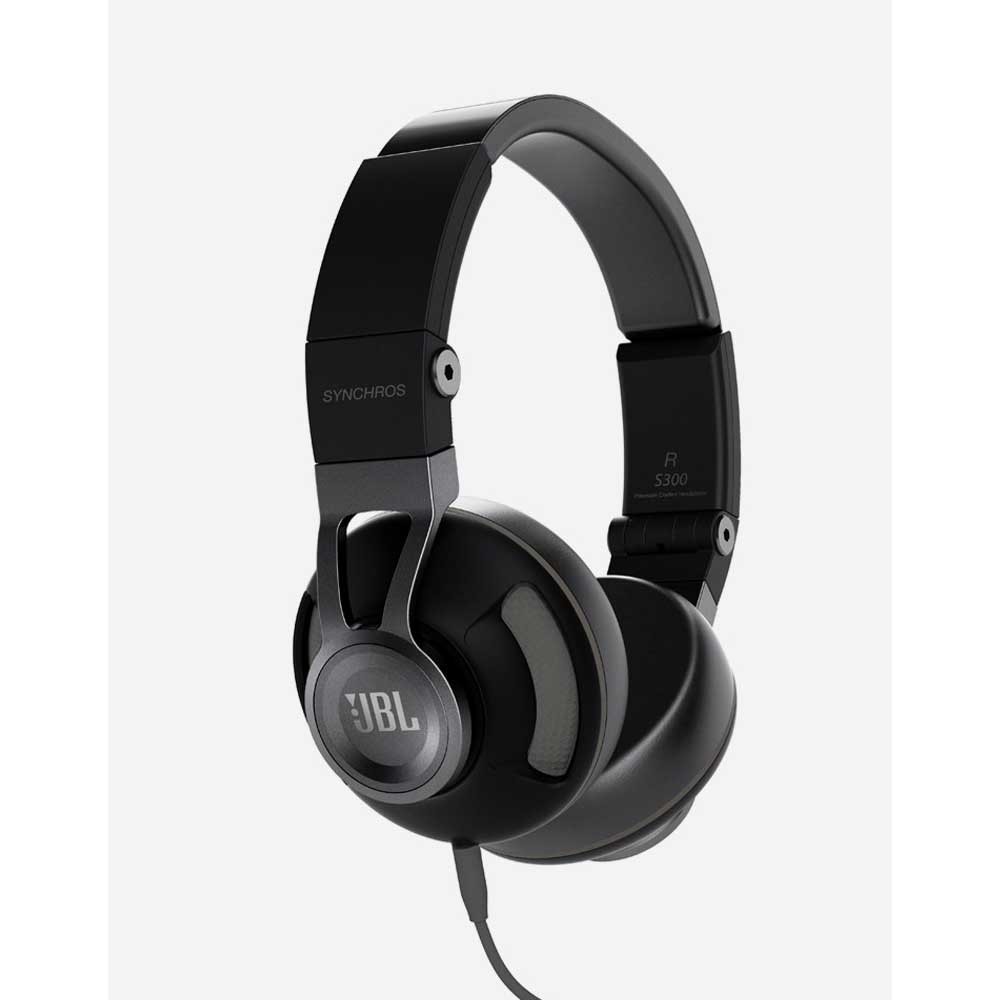
| Brand | JBL |
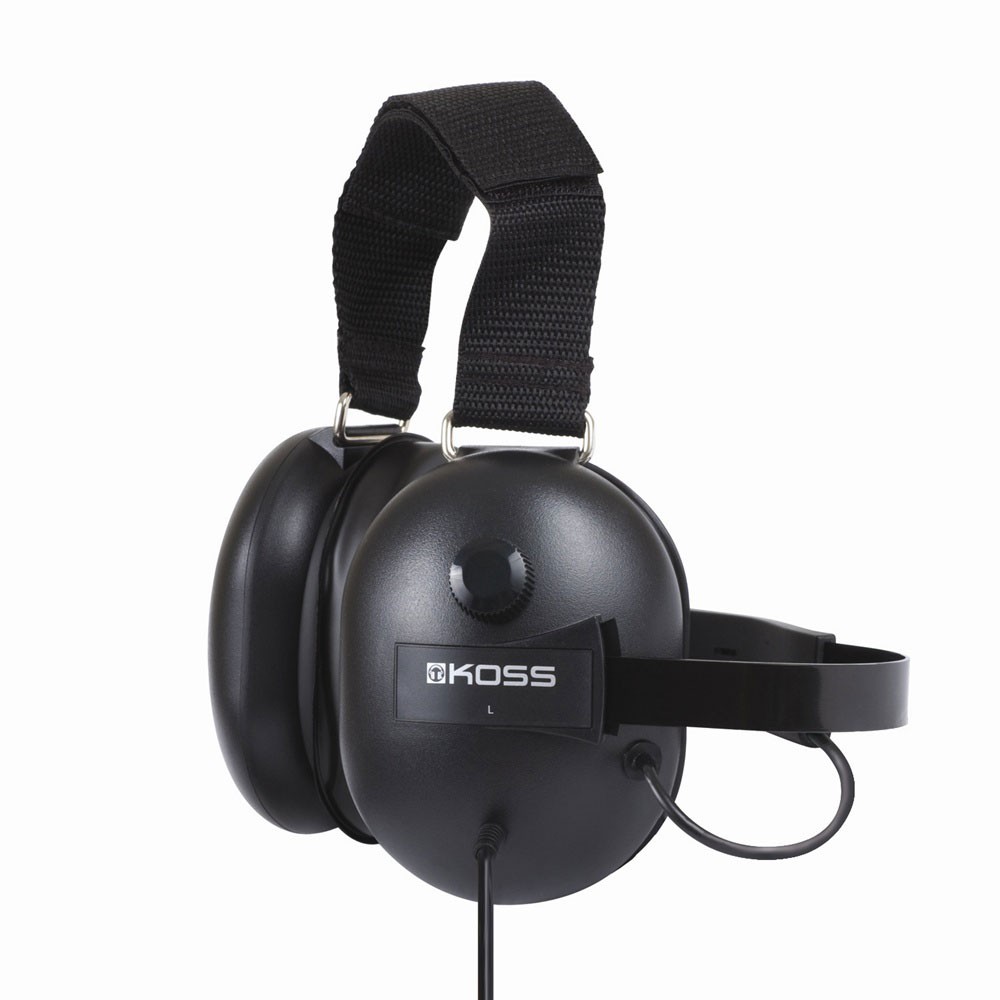
Koss |
| Model No | Synchros S300-A |
QZ5 |
| Wired / Wireless | Wired Headphone Specification |
Wired Headphone Specification |
| Headphone Type | Over Ear |
Over Ear |
| Magnet Type | Neodymium |
Neodymium |
| Driver Diameter | 40 mm |
NA |
| Impedance | 32 Ohms |
60 |
| Sensitivity | 115 dB/mW |
102 dB/mW |
| Frequency Response | 10 Hz - 100,000Hz |
40 Hz - 20000 Hz |
| Maximum Power Input | 30 mW |
NA |
| Noise Cancelling | NA |
NA |
| Available Colors | Black, White |
Black |
| Connector Plating | 3.5 mm Gold Plated Plug |
3.5 mm Gold Plated Jack |
| Cable | 1.2 m |
2.5 m |
| Weight | 318 g |
NA |
| Other Features | - Detachable cable with Apple 3-button mic/remote cable - JBL Professional Audio Sound with Pure Bass performance - Collapsible design - 1 three-button iOS remote/microphone cable or 1 three-button universal - Cutting-edge design with steel headband and premium leather ear cushions |
- Neodymium magnet structures deliver outstanding clarity and definition - Closed Pneumaliteâ„¢ ear cushions and extra-secure headband seal ears, eliminate all ambient noise - Volume control on ear cup allows easy level adjustment - Stereo/mono switch extends user flexibility - Includes 8 foot, coiled, single-entry cord with 3.5 mm plug and 6.3 mm adapter - Covered under the Koss Stereo phones Limited Lifetime Warranty |
Advertisement
Compare JBL Synchros S300-A with:
Compare Koss QZ5 with:
Top Differences
- Driver Size: 40 mm vs NA
- Weight: 318 g vs NA
- Impedance: 32 Ohms Vs 60
Advertisement