 ALERT
ALERT
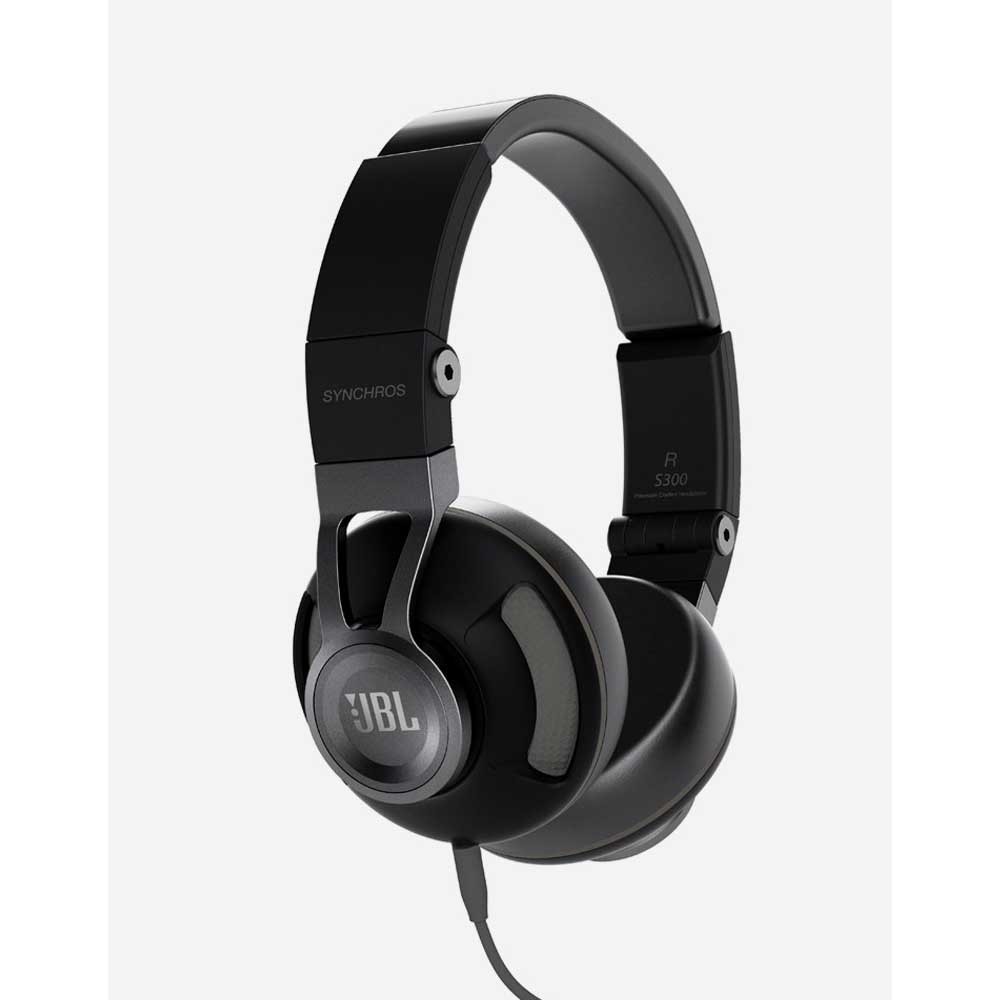
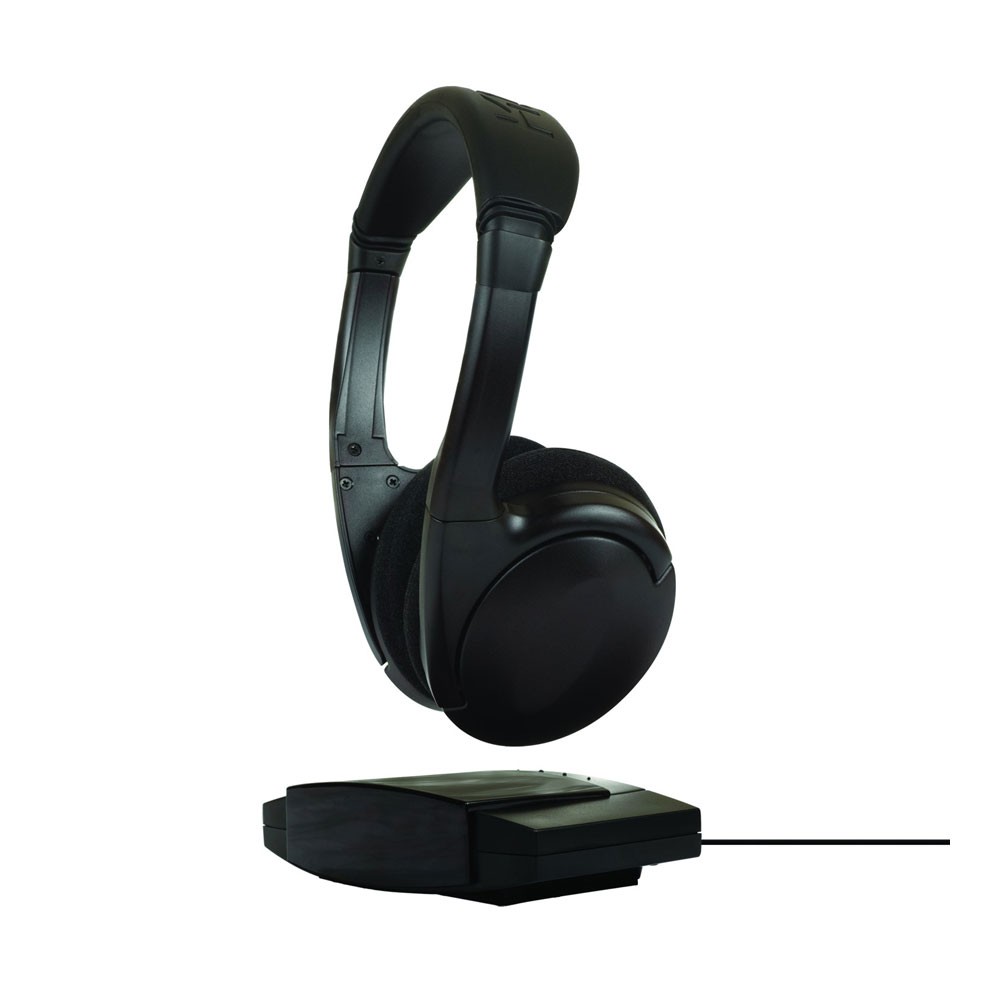
JBL Synchros S300-A vs Koss HB79
Advertisement
| Specification | ||
|---|---|---|
| Price | Rs.6,990.00 |
Rs.7,100.00 |
| Brand | JBL |
Koss |
| Model No | Synchros S300-A |
HB79 |
| Wired / Wireless | Wired Headphone Specification |
Wired Headphone Specification |
| Headphone Type | Over Ear |
On Ear |
| Magnet Type | Neodymium |
Neodymium |
| Driver Diameter | 40 mm |
NA |
| Impedance | 32 Ohms |
Self-powered Stereophone |
| Sensitivity | 115 dB/mW |
NA |
| Frequency Response | 10 Hz - 100,000Hz |
30 Hz - 15000 Hz |
| Maximum Power Input | 30 mW |
NA |
| Noise Cancelling | NA |
NA |
| Available Colors | Black, White |
Black |
| Connector Plating | 3.5 mm Gold Plated Plug |
3.5 mm Gold Plated Jack |
| Cable | 1.2 m |
Cordless |
| Weight | 318 g |
NA |
| Other Features | - Detachable cable with Apple 3-button mic/remote cable - JBL Professional Audio Sound with Pure Bass performance - Collapsible design - 1 three-button iOS remote/microphone cable or 1 three-button universal - Cutting-edge design with steel headband and premium leather ear cushions |
- Infrared (IR) technology transmits signal to headphones, reproducing audio signal while allowing you to roam freely about the room - Dynamic element promotes extended frequency response - Compact, lightweight design makes system ideal for extended listening sessions - Foam ear cushions keep you in touch with your environment while you listen - Adjustable, soft rubber headband provides maximum comfort and customization - Transmitter connects to most home systems through 3.5 mm headphone jack or audio output - Covered under the Koss Stereo phones Limited Lifetime Warranty |
Advertisement
Compare JBL Synchros S300-A with:
Compare Koss HB79 with:
Top Differences
- Driver Size: 40 mm vs NA
- Weight: 318 g vs NA
- Impedance: 32 Ohms Vs Self-powered Stereophone
Advertisement