Alert Icon ALERT
Ok Icon
FullSpecs.net Logo
 
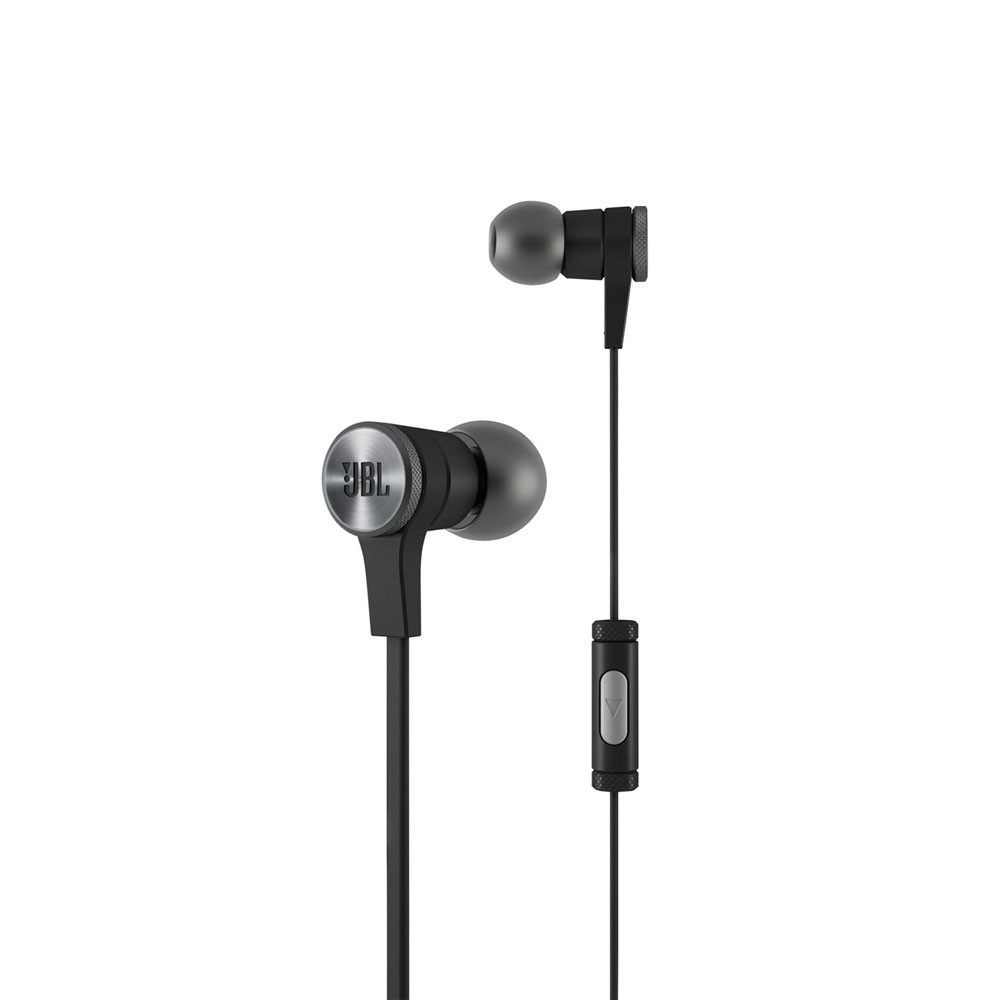
JBL E10
Rs.2,300.00

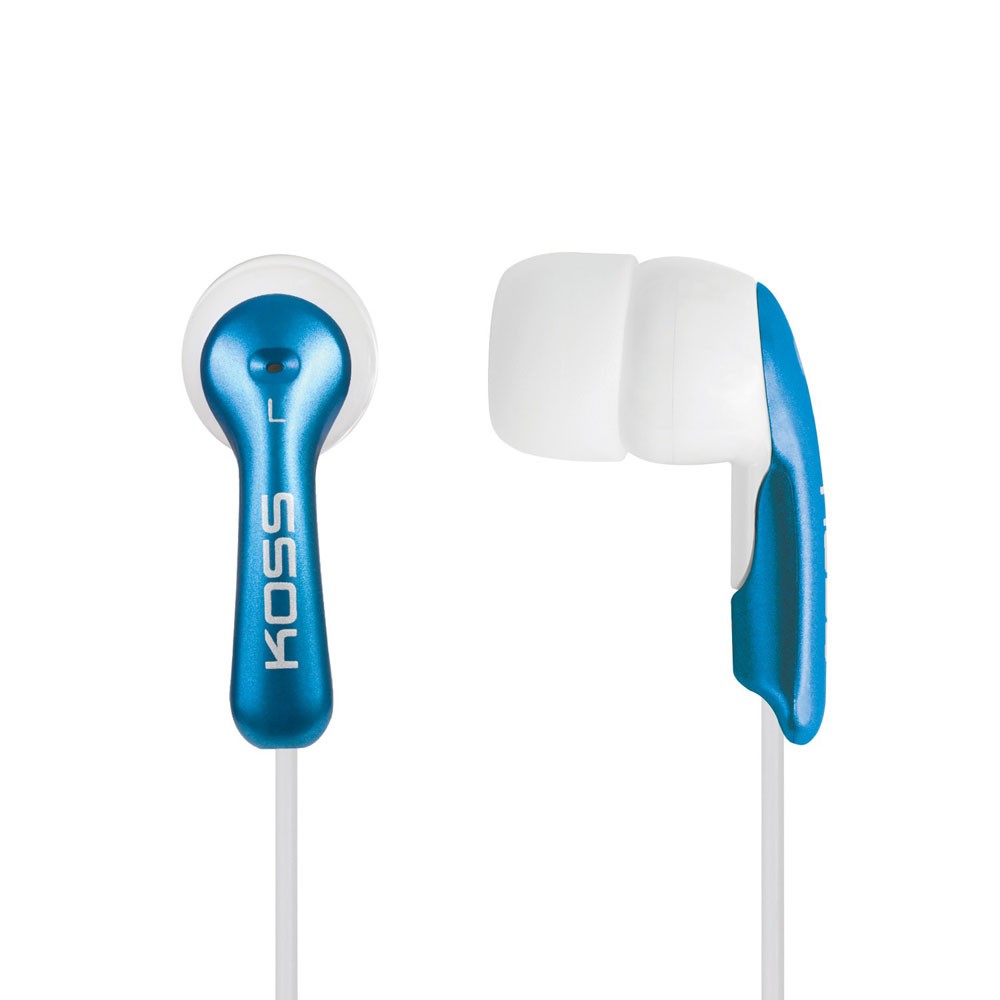
Koss Mirage
Rs.2,100.00
Brand
JBL
Koss
Model No
E10
Mirage
Wired / Wireless
Earphone Specification
Headphone Type
In Ear Canal
In Ear Canal
 
Magnet Type
Neodymium
Neodymium
Driver Diameter
9 mm
NA
Impedance
32 Ohms
16 Ohms
Sensitivity
105 dB/mW
100 dB/mW
Frequency Response
10 Hz - 22000 Hz
15 Hz - 20000 Hz
Maximum Power Input
5 mW
NA
Noise Cancelling
NA
NA
 
Available Colors
Black, White, Blue, Red
Blue
Connector Plating
3.5 mm Gold Plated Jack
Cable
1.2 m
1.2 m
Weight
10 g
NA
Other Features
- Full-spectrum, JBL-quality sound featuring PureBass performance and premium 9mm drivers
- Smartphone and tablet-friendly design with universal, inline, single-button remote microphone
- Lightweight construction combined with angled ear-tubes and multiple-sized ear-tips for snug, secure, comfortable fit
- Heightened aesthetics and styling in four vibrant color choices
- Includes lightweight, plastic carrying case for easy storage and safe transport
- In-ear design for deep bass
- Covered under the Koss Lifetime Warranty
- Includes small, medium and large silicone ear cushions for a customized fit to enhance isolation
- Available in variety of colors

Compare JBL E10 with:

Compare Koss Mirage with:

Key Differences

Both models support modern Bluetooth connectivity, ensuring stable wireless performance with compatible devices. There is a noticeable difference in weight (10 g vs NA), which may affect comfort during extended use. In general, both options are suitable for everyday use including music, calls, travel, and work-from-home scenarios. Impedance levels vary (32 Ohms vs 16 Ohms), which can affect compatibility and audio output when used with different devices. Both headphones offer solid battery performance, making them suitable for long listening sessions and travel. If you're comparing JBL E10 and Koss Mirage, both models offer a strong combination of sound performance, comfort, and modern wireless features. The driver size differs between the two (9 mm vs NA), which can influence sound depth, bass response, and overall audio clarity. Both models feature noise cancellation, helping reduce background noise for a more immersive listening experience. The frequency response differs (10 Hz - 22000 Hz vs 15 Hz - 20000 Hz), which can influence how well the headphones reproduce lows, mids, and highs.

Verdict: Both headphones offer strong performance, and the right choice depends on your priorities such as battery life, comfort, and noise cancellation.

Top Differences

  • Driver Size: 9 mm vs NA
  • Weight: 10 g vs NA
  • Impedance: 32 Ohms vs 16 Ohms