 ALERT
ALERT
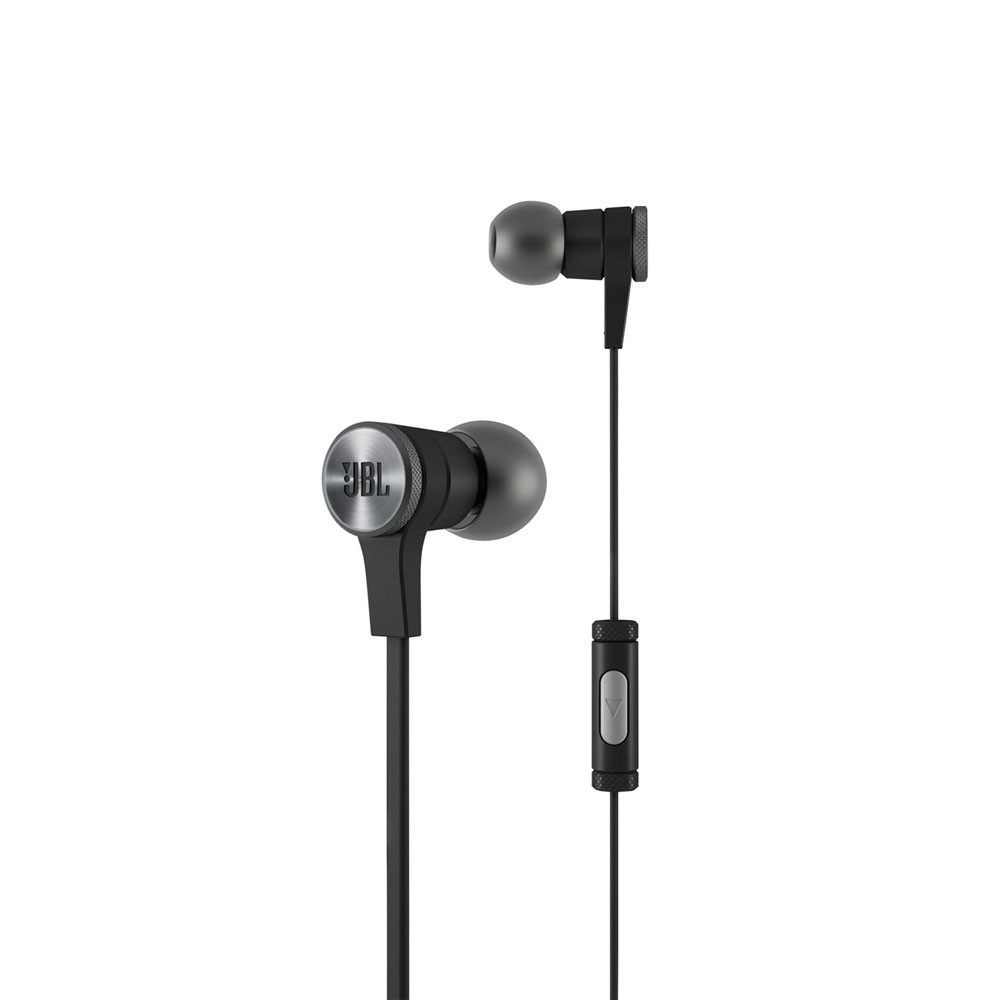
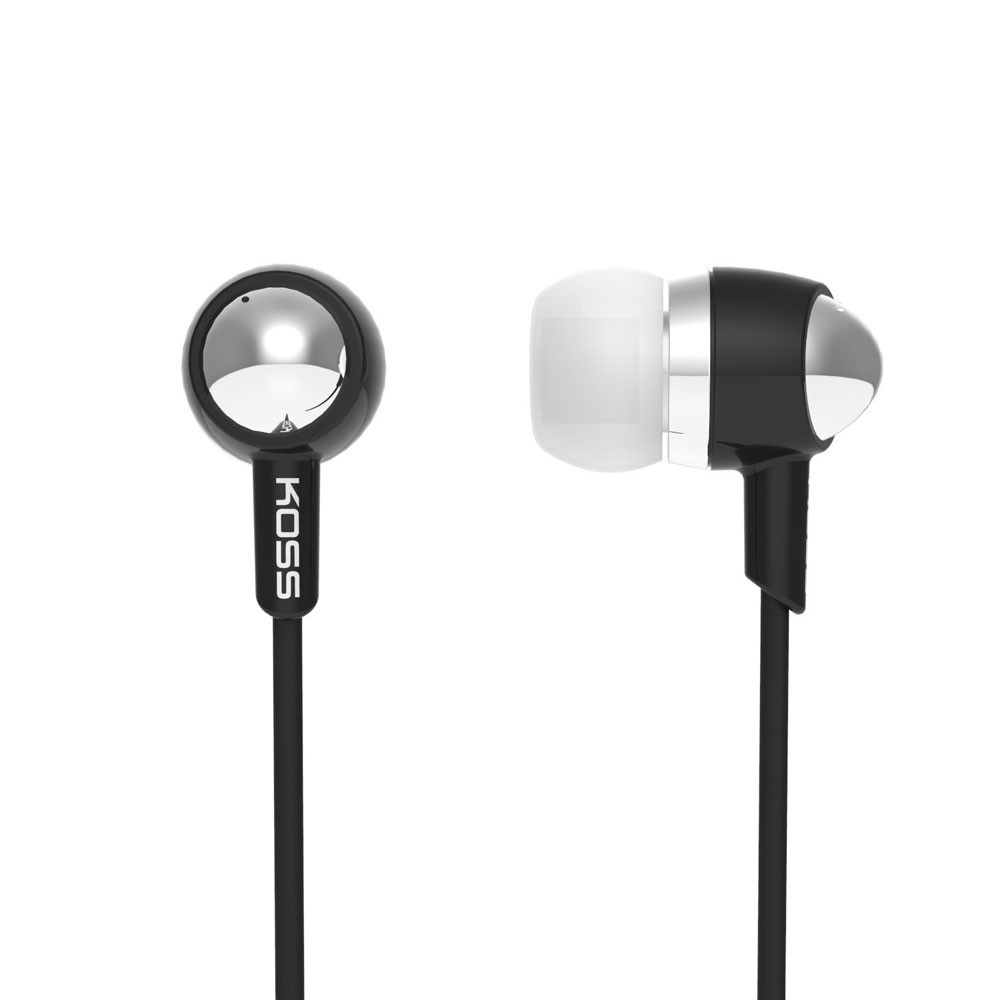
JBL E10 vs Koss KEB30
Advertisement
| Specification | ||
|---|---|---|
| Price | Rs.2,300.00 |
Rs.2,375.00 |
| Brand | JBL |
Koss |
| Model No | E10 |
KEB30 |
| Wired / Wireless | Earphone Specification |
Earphone Specification |
| Headphone Type | In Ear Canal |
In Ear Canal |
| Magnet Type | Neodymium |
Neodymium |
| Driver Diameter | 9 mm |
NA |
| Impedance | 32 Ohms |
16 Ohms |
| Sensitivity | 105 dB/mW |
109 dB/mW |
| Frequency Response | 10 Hz - 22000 Hz |
15 Hz - 25000 Hz |
| Maximum Power Input | 5 mW |
NA |
| Noise Cancelling | NA |
NA |
| Available Colors | Black, White, Blue, Red |
Black, White |
| Connector Plating | 3.5 mm Gold Plated Jack |
3.5 mm Gold Plated Jack |
| Cable | 1.2 m |
1.2 m |
| Weight | 10 g |
NA |
| Other Features | - Full-spectrum, JBL-quality sound featuring PureBass performance and premium 9mm drivers - Smartphone and tablet-friendly design with universal, inline, single-button remote microphone - Lightweight construction combined with angled ear-tubes and multiple-sized ear-tips for snug, secure, comfortable fit - Heightened aesthetics and styling in four vibrant color choices - Includes lightweight, plastic carrying case for easy storage and safe transport |
- Noise isolating ear buds - In-the-ear design fits snugly and is ideal for active lifestyles - Includes small, medium and large silicone ear cushions - Select one of several color options to complement your portable MP3 player (black shown here) |
Advertisement
Compare JBL E10 with:
Compare Koss KEB30 with:
Top Differences
- Driver Size: 9 mm vs NA
- Weight: 10 g vs NA
- Impedance: 32 Ohms Vs 16 Ohms
Advertisement