 ALERT
ALERT
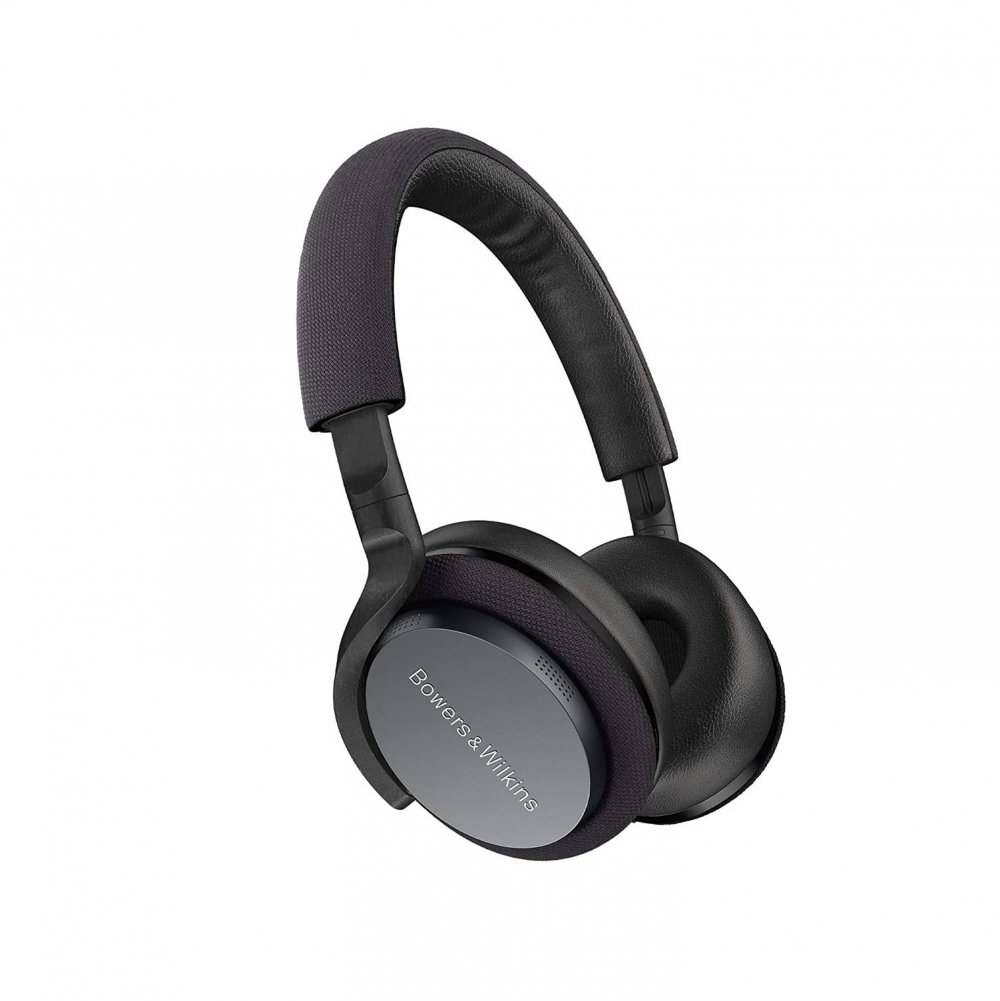
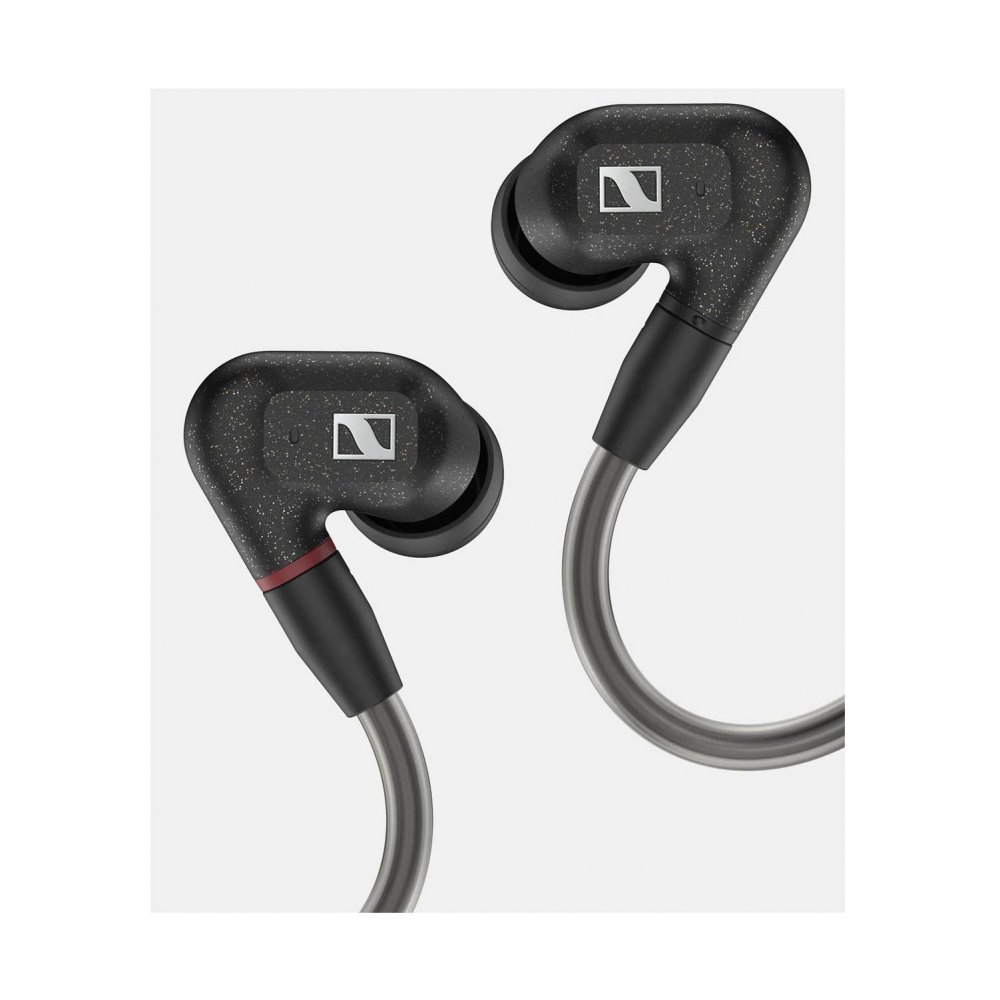
Bowers & Wilkins PX5 vs Sennheiser IE 300
Advertisement
| Specification | ||
|---|---|---|
| Price | Rs.27,000.00 |
Rs.25,856.00 |
| Brand | Bowers & Wilkins |
Sennheiser |
| Model No | PX5 |
IE 300 |
| Wired / Wireless | Wireless Headphone Specification |
Wireless Headphone Specification |
| Headphone Type | Over Ear |
In Ear Canal |
| Magnet Type | Dynamic |
Dynamic |
| Driver Diameter | 35 mm |
7mm |
| Impedance | 20 ohm |
16 ohm |
| Sensitivity | NA |
124 dB |
| Frequency Response | 10 Hz - 30000 kHz |
6 Hz - 20000 Hz |
| Maximum Power Input | 10 mW |
NA |
| Wireless / Bluetooth Details | ||
| Wireless Technology | Bluetooth |
Wired |
| Bluetooth Version | 5.0 |
|
| Compatible Profiles | All Bluetooth Devices |
|
| Supported Codecs | A2DP, AVRCP, HFP, HSP, BLE GATT, AptX-Adaptive, AptX-HD AptX-Classic, AAC, SBC |
|
| Battery Type | Lithium Polymer Batteries |
|
| Bluetooth Range | 10 Meters |
|
| Battery Life | 25 Hours |
|
| Charging Time | < 2 Hours |
|
| Noise Cancelling | Adaptive |
Ambient |
| Available Colors | Blue, Grey |
Black |
| Connector Plating | 3.5 mm Aux Cable |
3.5 mm Stereo Gold-Plated, 3-Pin |
| Cable | USB-C Charging Cable |
Tangle- Free Flat Cable |
| Weight | 241 gm |
4 gm |
| Other Features | These sleek, on-ear headphones keep out the world so you can live fully in yours. Experience world-class sound with the latest adaptive noise cancellation technology. The PX5 is light and compact while delivering sound quality built on Bowers & Wilkins’ exacting standards. One battery charge for just over a full day of music. If you need more power, a 15-minute quick charge provides five hours of audio playback. The PX5 obeys your every move. Lift an earcup to hear what’s happening around you and the music automatically stops. Put it back and the music plays on. From the bustle of the city to the drone of an aeroplane, adaptive noise cancellation automatically shields you from the outside world so you can hear more of the music that matters. The woven carbon fibre composite arms of PX5 share design principles with the world's most advanced sports cars. Light, stiff and ultra-durable, take True Sound anywhere with these compact noise-cancelling headphones. |
Air Traffic Control. Professionally inspired. It’s All About Connection. Detailed Sound Everywhere. Total Harmonic Distortion < 0.08 % ( 1 kHz, 94 dB ). Resonator chamber to remove masking resonances. German-made 7mm XWB transducer – for natural balanced sound. Newly developed membrane foil for minimized natural resonances. Adjustable flexible ear hooks and a choice of ear adapters incl. memory foam. Para-aramid reinforced cables with gold-plated MMCX connectors and a 3.5 mm plug. |
Advertisement
Compare Bowers & Wilkins PX5 with:
Compare Sennheiser IE 300 with:
Top Differences
- Noise Cancelling: Adaptive vs Ambient
- Driver Size: 35 mm vs 7mm
- Weight: 241 gm vs 4 gm
- Impedance: 20 ohm Vs 16 ohm
Advertisement