 ALERT
ALERT
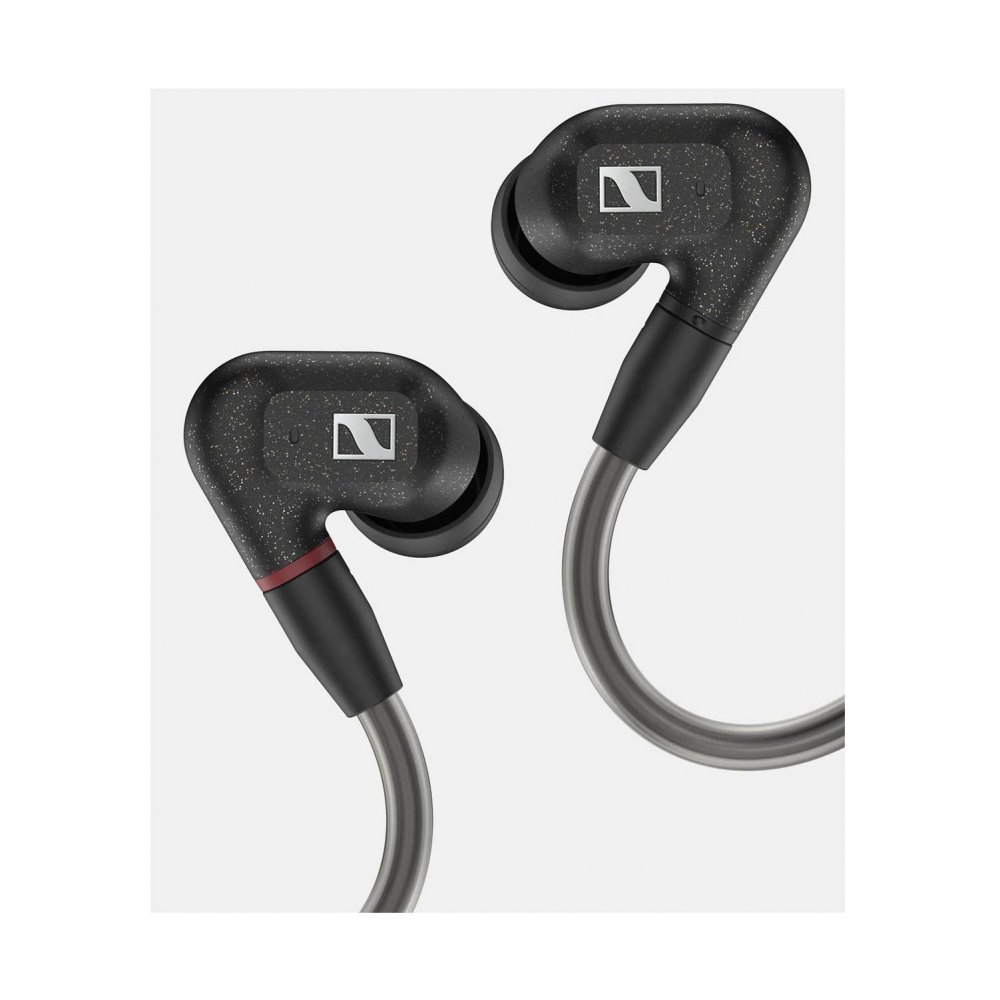
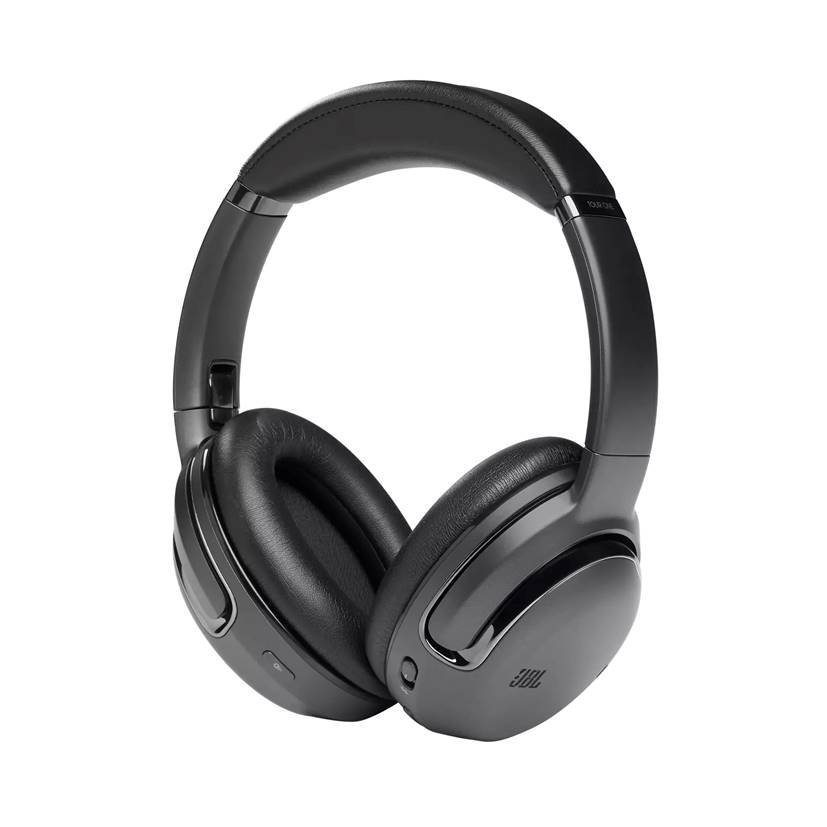
Sennheiser IE 300 vs JBL Tour One
Advertisement
| Specification | ||
|---|---|---|
| Price | Rs.25,856.00 |
Rs.24,999.00 |
| Brand | Sennheiser |
JBL |
| Model No | IE 300 |
Tour One |
| Wired / Wireless | Wireless Headphone Specification |
Wireless Headphone Specification |
| Headphone Type | In Ear Canal |
Over Ear |
| Magnet Type | Dynamic |
Dynamic |
| Driver Diameter | 7mm |
40 mm |
| Impedance | 16 ohm |
32 Ohm |
| Sensitivity | 124 dB |
95dB SPL |
| Frequency Response | 6 Hz - 20000 Hz |
10 Hz - 22000 Hz |
| Maximum Power Input | NA |
5V / 1A |
| Wireless / Bluetooth Details | ||
| Wireless Technology | Wired |
Bluetooth |
| Bluetooth Version | 5.0 |
|
| Compatible Profiles | All Bluetooth Devices |
|
| Supported Codecs | HFP, A2DP, AVRCP |
|
| Battery Type | Lithium-ion Batteries |
|
| Bluetooth Range | 10 Meters |
|
| Battery Life | 25 / 50 Hours |
|
| Charging Time | 2 Hours |
|
| Noise Cancelling | Ambient |
Adaptive NC |
| Available Colors | Black |
Black |
| Connector Plating | 3.5 mm Stereo Gold-Plated, 3-Pin |
3.5 mm AUX |
| Cable | Tangle- Free Flat Cable |
USB Type-C Charging Cable |
| Weight | 4 gm |
268 Gm |
| Other Features | Air Traffic Control. Professionally inspired. It’s All About Connection. Detailed Sound Everywhere. Total Harmonic Distortion < 0.08 % ( 1 kHz, 94 dB ). Resonator chamber to remove masking resonances. German-made 7mm XWB transducer – for natural balanced sound. Newly developed membrane foil for minimized natural resonances. Adjustable flexible ear hooks and a choice of ear adapters incl. memory foam. Para-aramid reinforced cables with gold-plated MMCX connectors and a 3.5 mm plug. |
Boost your productivity. Hands-free Voice Control. Ambient Aware & TalkThru. JBL Pro Sound, Hi-Res certified. True Adaptive Noise Cancelling. Up to 50 Hours of Music Playback. 4-mic Technology for Accurate and clear voice call. Make the most out of your headphones with the free JBL App. |
Advertisement
Compare Sennheiser IE 300 with:
Compare JBL Tour One with:
Top Differences
- Noise Cancelling: Ambient vs Adaptive NC
- Driver Size: 7mm vs 40 mm
- Weight: 4 gm vs 268 Gm
- Impedance: 16 ohm Vs 32 Ohm
Advertisement