 ALERT
ALERT
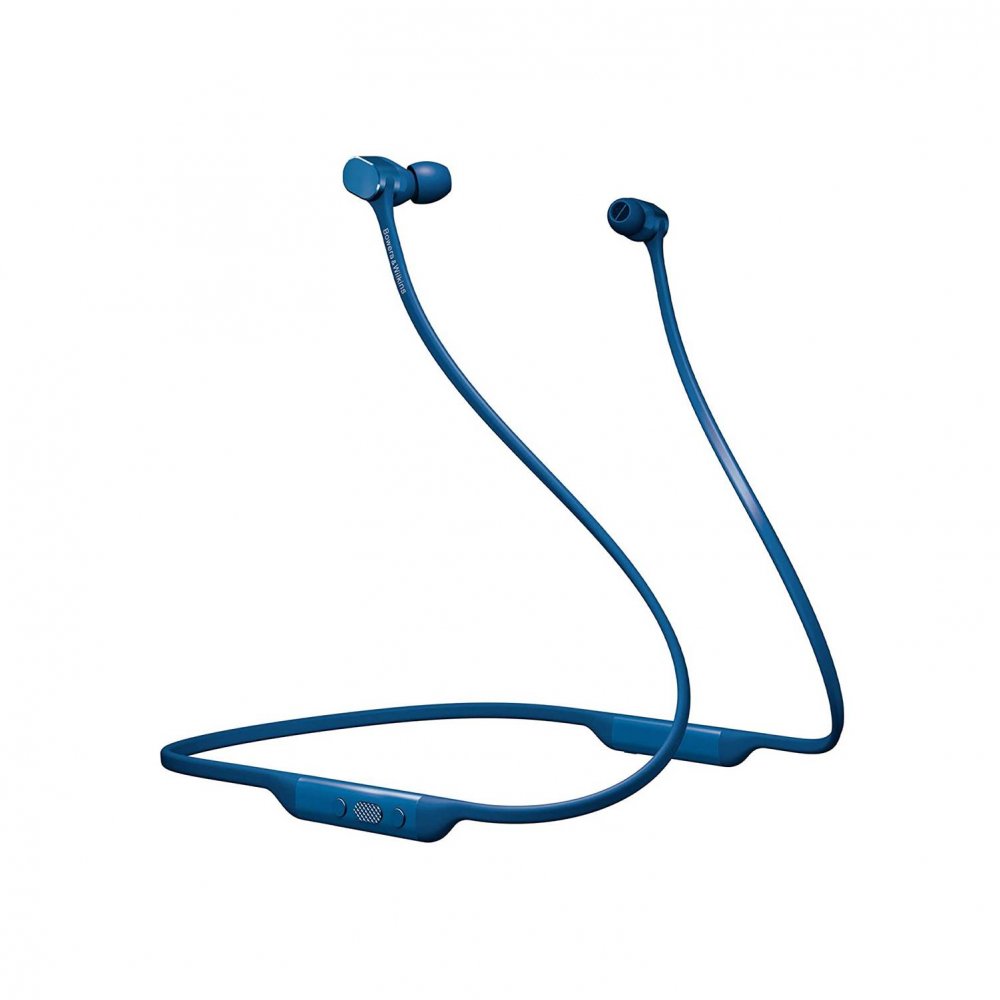
Bowers & Wilkins PI3 vs Sennheiser RS 180
Advertisement
| Specification | ||
|---|---|---|
| Price | Rs.17,500.00 |
Rs.17,500.00 |
| Brand | Bowers & Wilkins |
Sennheiser |
| Model No | PI3 |
RS 180 |
| Wired / Wireless | Wireless Headphone Specification |
Wireless Headphone Specification |
| Headphone Type | In Ear |
Over Ear |
| Magnet Type | Dynamic |
Neodymium |
| Driver Diameter | 9.2 mm |
NA |
| Impedance | 32 ohm |
32 ohms |
| Sensitivity | NA |
110 dB |
| Frequency Response | 10 Hz - 30000 kHz |
18 - 21000 Hz |
| Maximum Power Input | 10 mW |
NA |
| Wireless / Bluetooth Details | ||
| Wireless Technology | Bluetooth |
Radio Frequency |
| Bluetooth Version | 5.0 |
|
| Compatible Profiles | All Bluetooth Devices |
|
| Supported Codecs | A2DP, AVRCP, HFP, HSP, BLE GATT, AptX-Adaptive, AptX-HD AptX-Classic, AAC, SBC |
|
| Battery Type | Lithium Polymer Batteries |
AAA NiMH Rechargeable Battery |
| Bluetooth Range | 10 Meters |
|
| Battery Life | 8 Hours |
24 hrs |
| Charging Time | < 2 Hours |
16 hrs |
| Noise Cancelling | Active |
No |
| Available Colors | Blue, Grey, Gold |
Black |
| Connector Plating | NA |
3.5 mm Gold Plated Jack |
| Cable | USB-C Charging Cable |
NA |
| Weight | 31 gm |
204 g (without battery) |
| Other Features | A measured feel. Hear and be heard. World-first fully active 2-way wireless earbuds. This is Bowers & Wilkins Dual Driver technology. No matter what you’re listening to, or watching, or playing, hear what you were meant to hear. If you stay out longer than expected and need a little more from your PI3 a 15 minute quick charge will carry your adventure for another two hours. |
- Total Harmonic Distortion (THD): Less than 0.5 % a 1 kHz, 100 dB SPL - Automatic level control for optimum audio levels - Multi-receiver transmission - Up to 4 people listening to the same source - Multi-purpose transmitter - Also functions as easy-charge cradle and docking station - Balance control for right/left volume adjustment |

Advertisement
Compare Bowers & Wilkins PI3 with:
Compare Sennheiser RS 180 with:
Top Differences
- Battery Life: 24 hrs vs 8 Hours
- Noise Cancelling: No vs Active
- Driver Size: NA vs 9.2 mm
- Weight: 204 g (without battery) vs 31 gm
- Impedance: 32 ohms Vs 32 ohm
Advertisement