 ALERT
ALERT
Bowers & Wilkins PI3 vs Beyerdynamic VERIO 200
Advertisement
| Specification | ||
|---|---|---|
| Price | Rs.17,500.00 |
Rs.17,308.80 |
| Brand | Bowers & Wilkins |
Beyerdynamic |
| Model No | PI3 |
VERIO 200 |
| Wired / Wireless | Wireless Headphone Specification |
Wireless Headphone Specification |
| Headphone Type | In Ear |
On Ear |
| Magnet Type | Dynamic |
Dynamic |
| Driver Diameter | 9.2 mm |
10 mm |
| Impedance | 32 ohm |
32 ohm |
| Sensitivity | NA |
NA |
| Frequency Response | 10 Hz - 30000 kHz |
20Hz - 20KHz |
| Maximum Power Input | 10 mW |
NA |
| Wireless / Bluetooth Details | ||
| Wireless Technology | Bluetooth |
Bluetooth |
| Bluetooth Version | 5.0 |
5.3 |
| Compatible Profiles | All Bluetooth Devices |
All Bluetooth Devices |
| Supported Codecs | A2DP, AVRCP, HFP, HSP, BLE GATT, AptX-Adaptive, AptX-HD AptX-Classic, AAC, SBC |
aptXTM Adaptive, AAC, SBC |
| Battery Type | Lithium Polymer Batteries |
Lithium-Ion Batteries |
| Bluetooth Range | 10 Meters |
15 Meters |
| Battery Life | 8 Hours |
8 / 27 Hours |
| Charging Time | < 2 Hours |
1.5 Hours |
| Noise Cancelling | Active |
NA |
| Available Colors | Blue, Grey, Gold |
Black, Grey |
| Connector Plating | NA |
NA |
| Cable | USB-C Charging Cable |
USB Type-C Charging Cable |
| Weight | 31 gm |
98 GM |
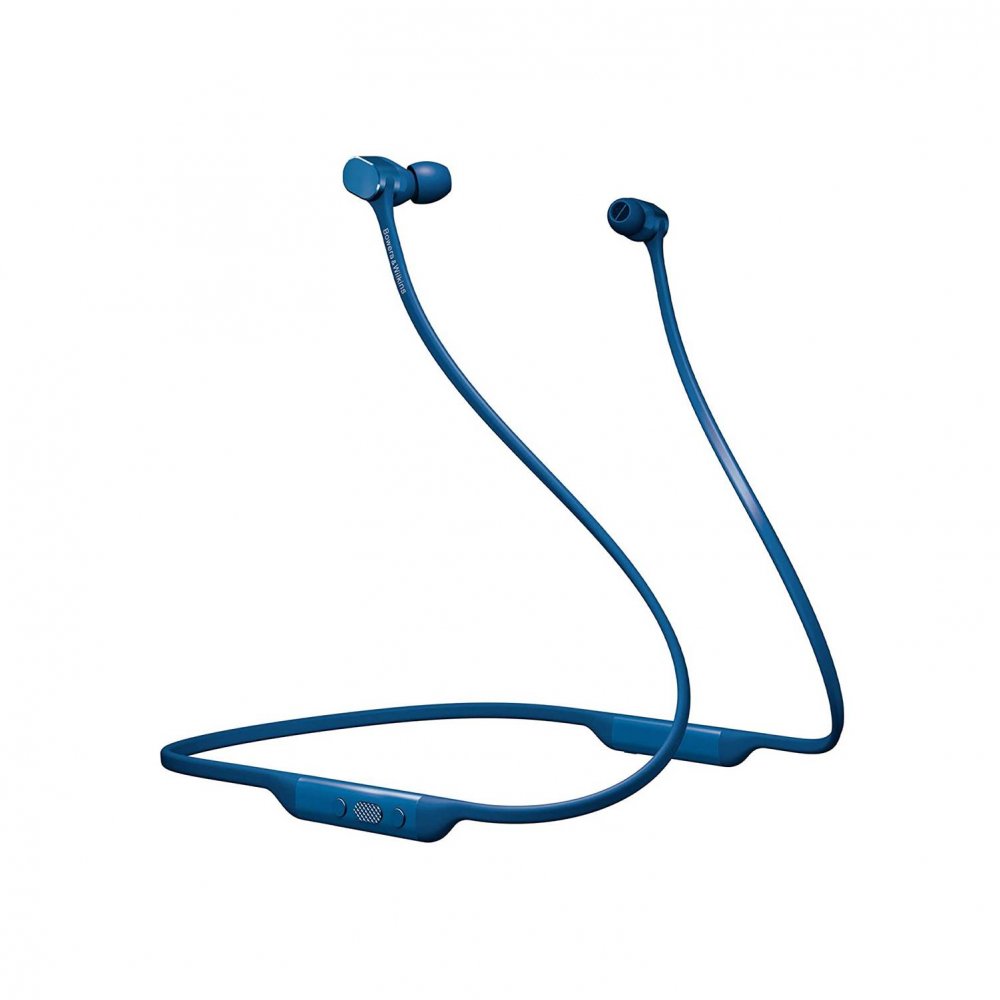
| Other Features | A measured feel. Hear and be heard. World-first fully active 2-way wireless earbuds. This is Bowers & Wilkins Dual Driver technology. No matter what you’re listening to, or watching, or playing, hear what you were meant to hear. If you stay out longer than expected and need a little more from your PI3 a 15 minute quick charge will carry your adventure for another two hours. |
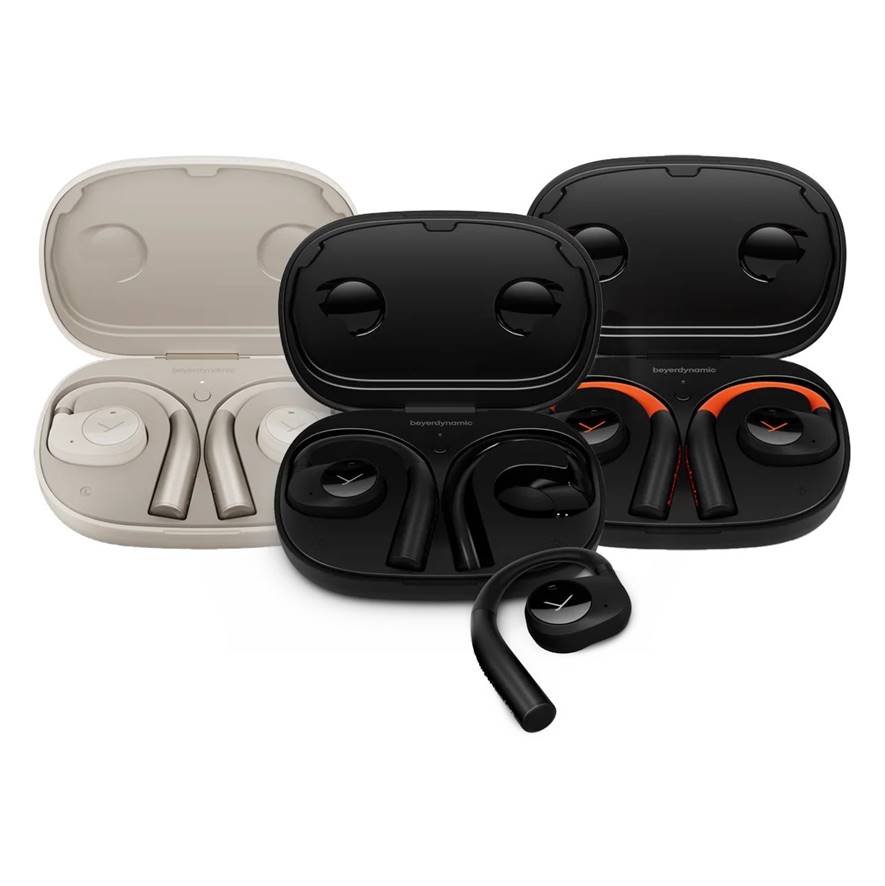
Simple operation. Open fit on the ear. Customised performance with the beyerdynamic app. Bluetooth 5.3, latest audio codecs: Qualcomm aptX Adaptive, aptX Losless & AAC. High-quality materials and protection against splashing water and sweat thanks to IP54 certification. Open sound and two outstanding microphones with Qualcomm aptX Voice for impressive speech intelligibility. Perfect ergonomic fit and ultra-light materials, keep you comfortable all day, no matter what you’re doing. Up to 8 hours battery life on a single charge, plus additional 27 hours with charging case, USB-C charging port. |
Advertisement
Compare Bowers & Wilkins PI3 with:
Compare Beyerdynamic VERIO 200 with:
Top Differences
- Noise Cancelling: Active vs NA
- Driver Size: 9.2 mm vs 10 mm
- Bluetooth: 5.0 vs 5.3
- Weight: 31 gm vs 98 GM
Advertisement