 ALERT
ALERT
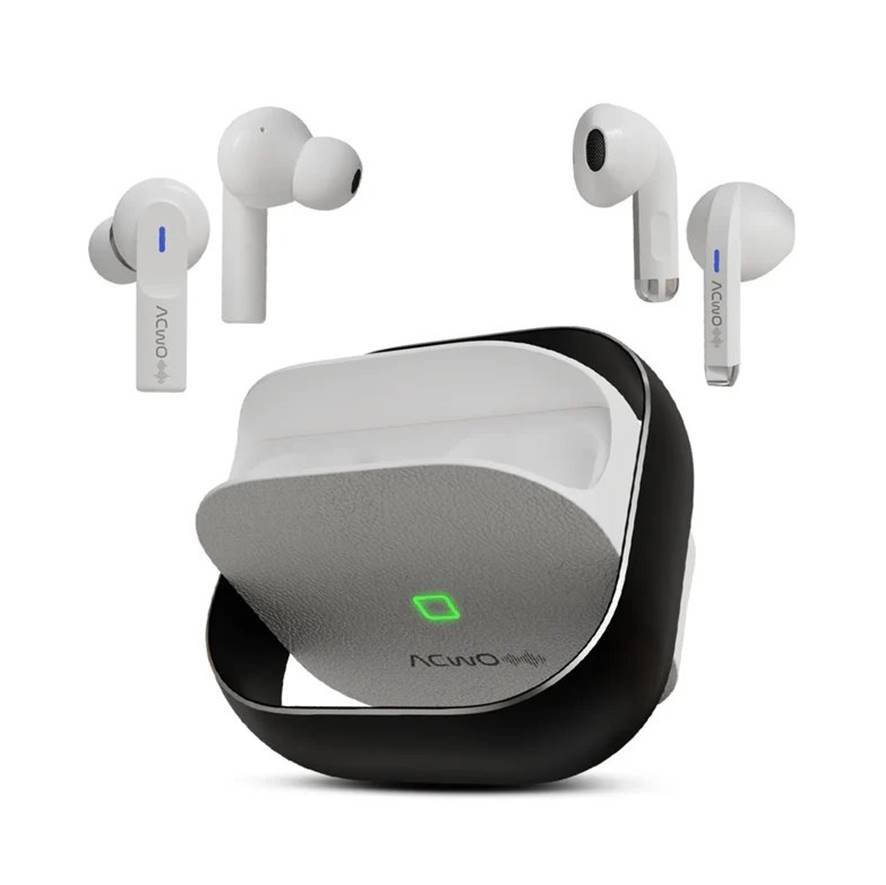
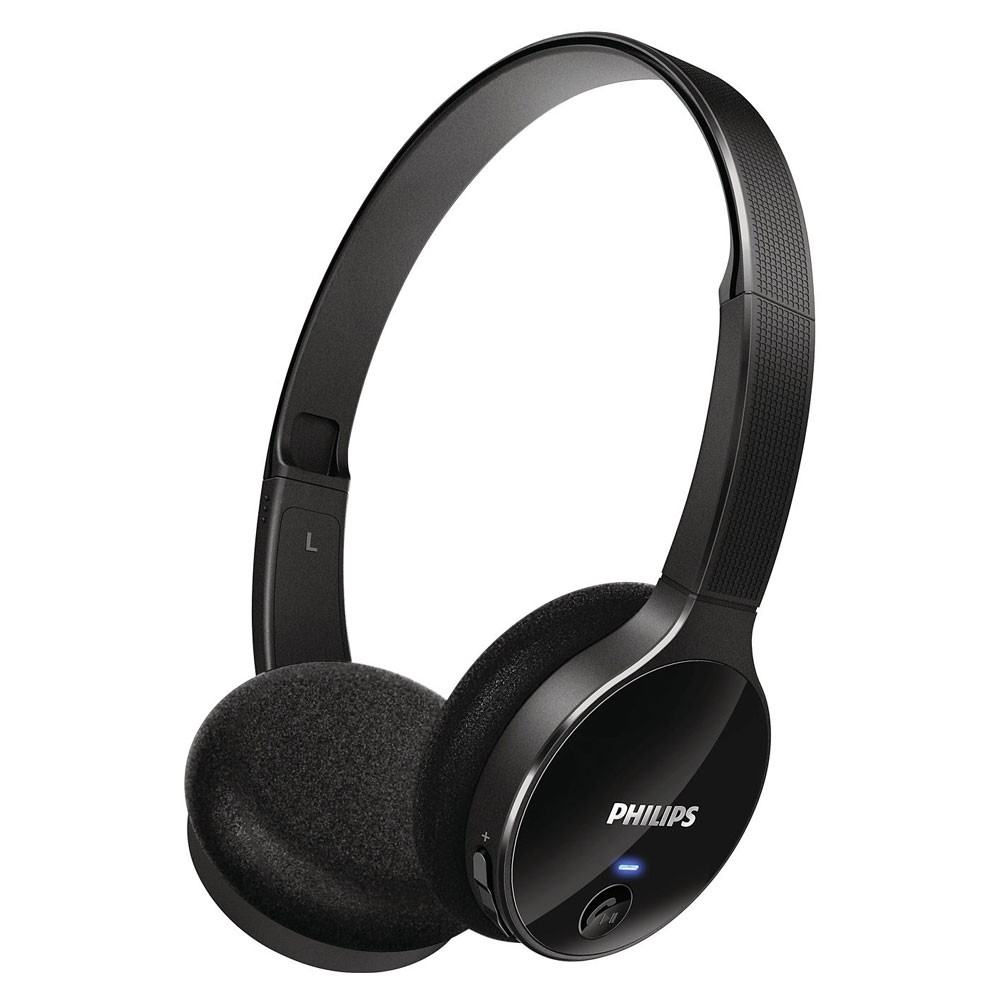
ACwO DwOTS Fire vs Philips SHB4000
Advertisement
| Specification | ||
|---|---|---|
| Price | Rs.2,249.00 |
Rs.2,288.00 |
| Brand | ACwO |
Philips |
| Model No | DwOTS Fire |
SHB4000 |
| Wired / Wireless | Wireless Headphone Specification |
Wireless Headphone Specification |
| Headphone Type | In Ear |
On Ear |
| Magnet Type | Dynamic |
Neodymium |
| Driver Diameter | 13 mm |
32 mm |
| Impedance | 32 Ohms |
24 ohms |
| Sensitivity | NA |
NA |
| Frequency Response | 20Hz - 20KHz |
20 - 20,000 Hz |
| Maximum Power Input | DC 5V |
100 mW |
| Wireless / Bluetooth Details | ||
| Wireless Technology | Bluetooth |
Bluetooth |
| Bluetooth Version | 5.3 |
3.0 |
| Compatible Profiles | All Bluetooth Devices |
A2DP, AVRCP, HFP, HSP |
| Supported Codecs | AAC, SBC |
SBC, AAC |
| Battery Type | Lithium-Ion Batteries |
LI-Polymer Rechargeable Battery |
| Bluetooth Range | 10 Meters |
49 ft (15 m) |
| Battery Life | 52 Hours |
Music Playtime: 9 hr |
| Charging Time | 1 Hours |
NA |
| Noise Cancelling | AI-Environmental Noise Cancelling |
No |
| Available Colors | Black, Silver |
Black, White |
| Connector Plating | NA |
NA |
| Cable | USB Type-C Charging Cable |
NA |
| Weight | 39 GM |
71 g |
| Other Features | One Year Warranty. Music Playtime up to 52 Hours : Enjoy non-stop music for an extended duration with up to 52 hours of playtime on a single charge. Advanced Bluetooth V5.3 Technology : Experience seamless connectivity and enhanced performance with the latest Bluetooth V5.3 technology. India's First Dual Sharing TWS : The dual sharing design allows you to share audio with a friend or loved one without sacrificing sound quality. IPX5 Water & Sweat Resistant : These earbuds feature IPX5 water and sweat resistance, making them perfect for workouts, outdoor activities, and daily use. 3 + 3 EQ Modes : Unlock personalized sound experiences with 3 + 3 EQ modes. Choose from a variety of preset equalizer modes or customize your own settings to suit your preferences. Wireless Charging Capability : Experience ultimate convenience with wireless charging capability. Simply place your earbuds on a compatible charging pad and enjoy hassle-free charging without the need for cables or connectors. Lag Free Experience : Experience smooth and synchronized audio and video playback with ultra-low latency of up to 45ms. Whether you're gaming, watching videos, or listening to music, enjoy minimal delay and lag for an immersive and uninterrupted multimedia experience. AI-ENC with Quad Mics : Immerse yourself in crystal-clear calls and superior audio quality with AI-ENC technology and quad microphones. Background noise is effectively reduced, ensuring your voice is heard loud and clear during calls, while providing an optimal communication experience in any environment. Voice Assistant & Intuitive Touch Controls : Easily manage your tasks with hands-free voice assistants "Ok Google" and "Hey Siri", while intuitive touch controls offer seamless navigation. Control music playback, answer calls, adjust volume, and access voice assistants with a simple tap or swipe, providing a convenient and effortless user experience for enhanced productivity and enjoyment. |
- Built-In microphone for Call Management - Last number redial, Call on Hold - Volume control: Yes |
Advertisement
Compare ACwO DwOTS Fire with:
Compare Philips SHB4000 with:
Top Differences
- Battery Life: Music Playtime: 9 hr, Talk Time: 9 hr, Standby Time: 200 hr vs 52 Hours
- Noise Cancelling: No vs AI-Environmental Noise Cancelling
- Driver Size: 32 mm vs 13 mm
- Bluetooth: 3.0 vs 5.3
- Weight: 71 g vs 39 GM
Advertisement