 ALERT
ALERT
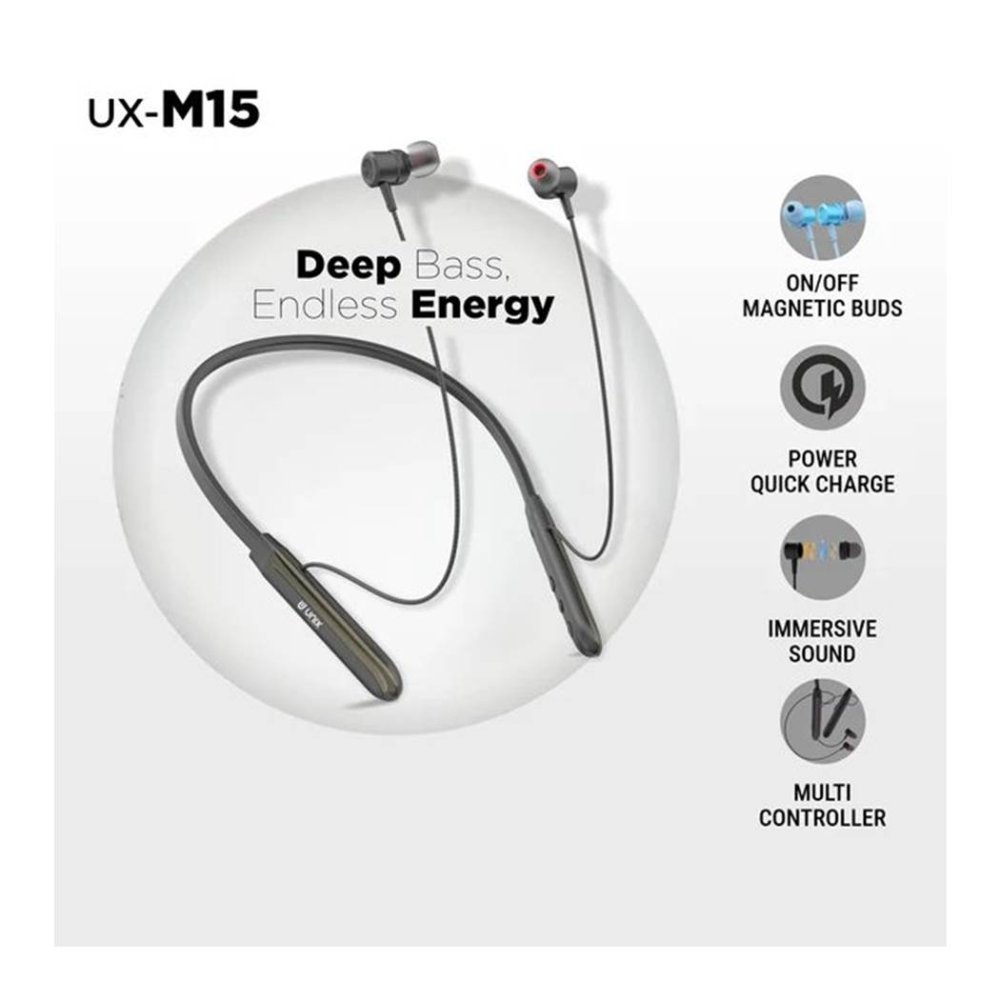
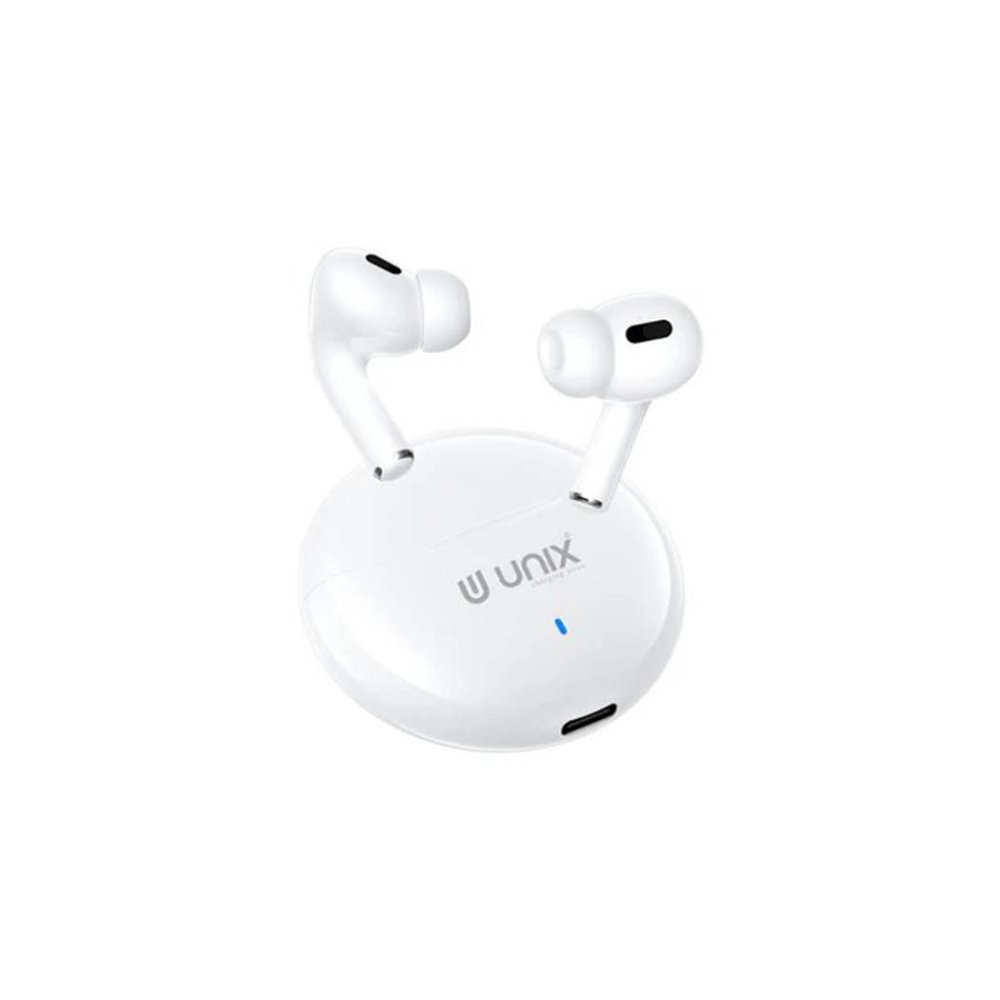
Unix UX-M15 Best vs Unix UX-HP10 Tango Compact TWS
Advertisement
| Specification | ||
|---|---|---|
| Price | Rs.799.00 |
Rs.799.00 |
| Brand | Unix |
Unix |
| Model No | UX-M15 Best |
UX-HP10 Tango Compact TWS |
| Wired / Wireless | Wireless Headphone Specification |
Wireless Headphone Specification |
| Headphone Type | Neckband |
In Ear |
| Magnet Type | Dynamic |
Dynamic |
| Driver Diameter | 18 mm |
13 mm |
| Impedance | 30 Ohms |
16 Ohms |
| Sensitivity | NA |
NA |
| Frequency Response | 20Hz - 20KHz |
20Hz - 20KHz |
| Maximum Power Input | DC 5V |
DC 5V |
| Wireless / Bluetooth Details | ||
| Wireless Technology | Bluetooth |
Bluetooth |
| Bluetooth Version | 5.2 |
5.3 |
| Compatible Profiles | All Bluetooth Devices |
All Bluetooth Devices |
| Supported Codecs | SBC, AAC |
SBC, AAC |
| Battery Type | Lithium-Ion Batteries |
Lithium-Ion Batteries |
| Bluetooth Range | 10 Meters |
16 Meters |
| Battery Life | 28 Hours |
40 Hours |
| Charging Time | 1 Hours |
2 Hours |
| Noise Cancelling | Active Noise Cancelling |
Active Noise Cancelling |
| Available Colors | Black, White, Blue, Green |
White |
| Connector Plating | No |
No |
| Cable | USB Type-C Charging Cable |
USB Type-C Charging Cable |
| Weight | 100 GM |
25 GM |
| Other Features | Long Lasting Battery Life. Excellent Comfortable fit. Hands-free calls & Sweatproof. BIS Approved With 6-Month Warranty : Comes with certified quality and a 6-month risk-free warranty for peace of mind. HD Sound Quality & Hands-Free Calls : Crystal-clear audio and built-in mic ensure a superior calling and music experience. Long Battery Life : Enjoy up to 28 hours of non-stop music and an incredible 2100 hours of standby time, perfect for daily use. Sweatproof & Comfortable Fit : Lightweight and ergonomically designed for comfort during workouts, travel, or long listening sessions. Power Quick Charge Support : Just 1-minute of charging gives up to 100 minutes of battery backup, so you're never caught without music. |
Premium Silicon Case : Stylish and protective storage. HD Stereo Sound : Immersive audio with precise bass. Type-C Fast Charging : Quick and efficient power-ups. Touch Controls : Effortless management of music and calls. 40 Hours Playtime : Non-stop music for extended enjoyment. Hi-Fi Dual Drivers : Enhanced sound clarity with 13mm drivers. Economic Design : Superior performance at an affordable price. The UNIX UX-HP10 TWS Earbuds redefine wireless audio with a blend of performance and comfort. Boasting up to 40 hours of total playtime and a snug ergonomic fit, these earbuds are designed for extended listening sessions. The 13mm hi-fi dual drivers deliver HD stereo sound with precise bass, ensuring an immersive audio experience. Convenient touch controls make managing music and calls effortless, while Type-C fast charging keeps you powered up in no time. Complete with a premium silicon case for added protection, the UX-HP10 combines affordability with superior sound quality. |
Advertisement
Compare Unix UX-M15 Best with:
Compare Unix UX-HP10 Tango Compact TWS with:
Top Differences
- Battery Life: 28 Hours vs 40 Hours
- Driver Size: 18 mm vs 13 mm
- Bluetooth: 5.2 vs 5.3
- Weight: 100 GM vs 25 GM
- Impedance: 30 Ohms Vs 16 Ohms
Advertisement