 ALERT
ALERT
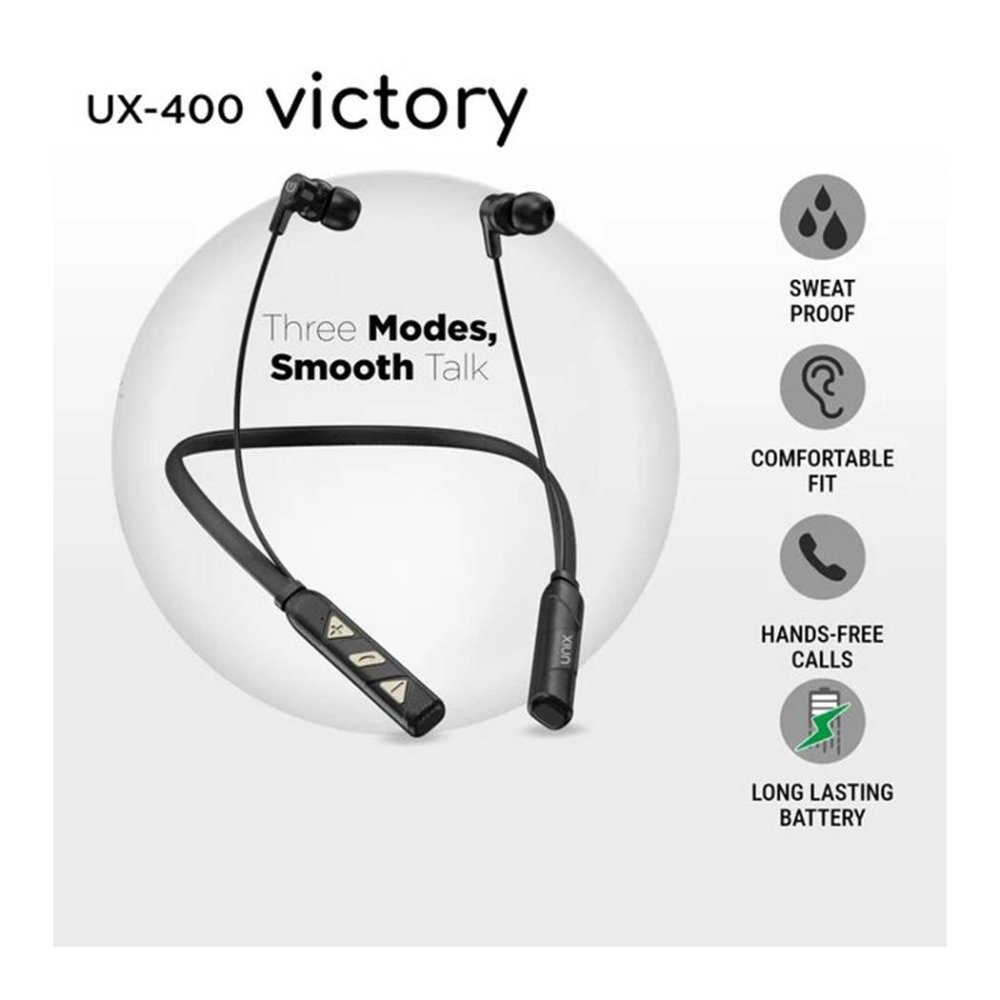
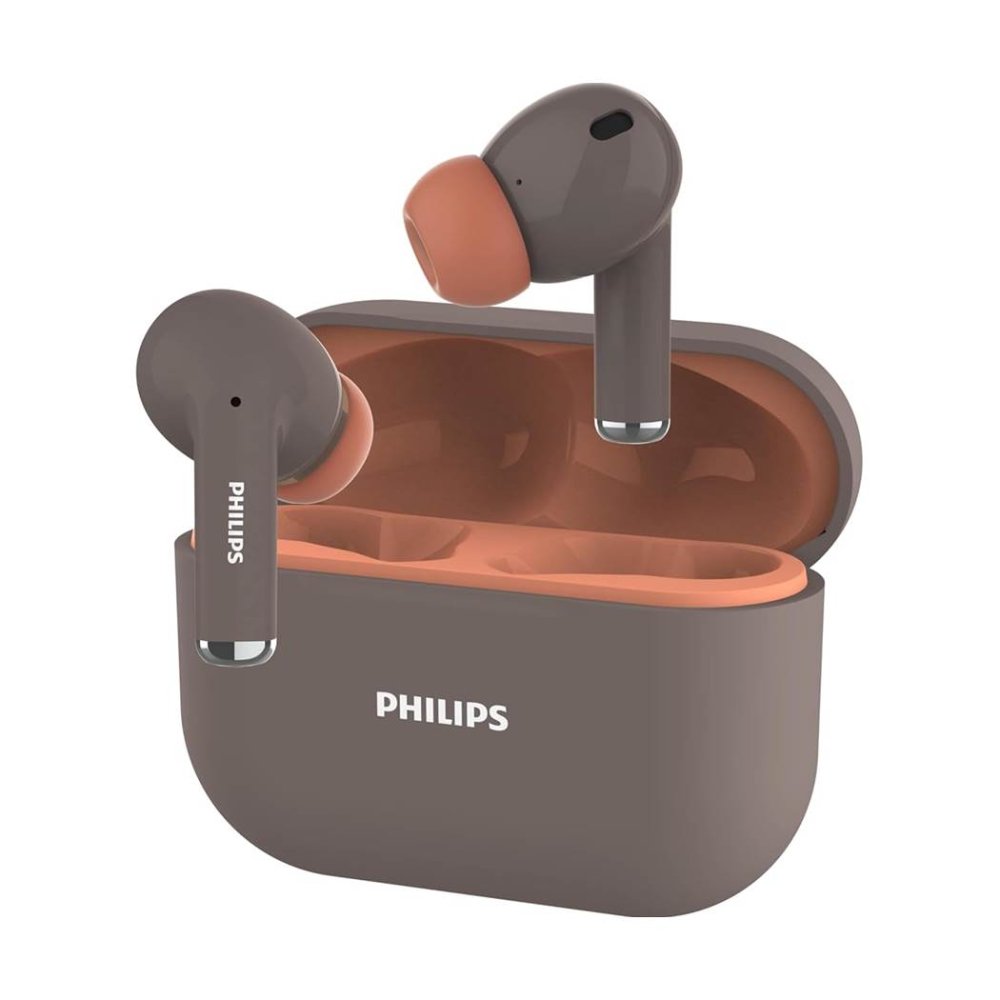
Unix UX-400 Victory vs Philips TAT1169BN
Advertisement
| Specification | ||
|---|---|---|
| Price | Rs.2,999.00 |
Rs.2,999.00 |
| Brand | Unix |
Philips |
| Model No | UX-400 Victory |
TAT1169BN |
| Wired / Wireless | Wireless Headphone Specification |
Wireless Headphone Specification |
| Headphone Type | Neckband |
In Ear |
| Magnet Type | Dynamic |
Dynamic |
| Driver Diameter | 10 mm |
12 mm |
| Impedance | 40 Ohms |
16 Ohms |
| Sensitivity | NA |
97dB@1KHz |
| Frequency Response | 20Hz - 20KHz |
20Hz - 20KHz |
| Maximum Power Input | DC 5V |
10 mW |
| Wireless / Bluetooth Details | ||
| Wireless Technology | Bluetooth |
Bluetooth |
| Bluetooth Version | 5.2 |
5.3 |
| Compatible Profiles | All Bluetooth Devices |
All Bluetooth Devices |
| Supported Codecs | SBC, AAC |
AAC, SBC |
| Battery Type | Lithium-Ion Batteries |
Lithium-Ion Batteries |
| Bluetooth Range | 10 Meters |
10 Meters |
| Battery Life | 22 Hours |
7 + 48 Hours |
| Charging Time | 1 Hours |
2 Hours |
| Noise Cancelling | Active Noise Cancelling |
Environmental Noise Cancelling |
| Available Colors | Black, Blue, Green, Silver |
Brown |
| Connector Plating | No |
NA |
| Cable | USB Type-C Charging Cable |
USB Type-C Charging Cable |
| Weight | 100 GM |
38 GM |
| Other Features | Quick charge time for minimal downtime. Extended battery life for prolonged use. Modern connectivity with Type-C charging. Versatile color options to match your style. Durable and stylish design with protective panels. Fast Charging Via Type-C : Get fully powered in just 1 hour using modern Type-C connectivity for quick charging. Durable & Stylish Build : Engineered with protective side panels and sleek design to match your on-the-go lifestyle. Bluetooth V5.2 Connectivity : Stable wireless connection with 10-meter range, compatible with Android & iOS devices. 52 Hours Music Playback & 22H Talk Time : Enjoy uninterrupted entertainment and calling with a robust 150mAh battery. Enjoy extended talk time of up to 22 hours and indulge in your favorite music for up to 20 hours. With an impressive standby time of up to 500 hours, the UX-400 Victory is ready to accompany you whenever you need it. |
Reliable Connection : Bluetooth connection provides a stable, uninterrupted listening and calling experience. High-Quality Sound : Experience warm, natural sound with dynamic bass boost and 12mm drivers for deep bass and clear calls. Comfort & Controls : Designed for a snug fit with interchangeable silicone ear tips, plus easy on-ear touch controls for convenience. Durable & Splash-Resistant : IPX4 rated, offering protection from sweat and splashes, making them perfect for workouts or outdoor use. Long Playtime & Convenience : Enjoy up to 55 hours of playtime with a pocket-sized charging case, ensuring your earbuds are always ready to go. |
Advertisement
Compare Unix UX-400 Victory with:
Compare Philips TAT1169BN with:
Top Differences
- Battery Life: 7 + 48 Hours vs 22 Hours
- Noise Cancelling: Environmental Noise Cancelling vs Active Noise Cancelling
- Driver Size: 12 mm vs 10 mm
- Bluetooth: 5.3 vs 5.2
- Weight: 38 GM vs 100 GM
Advertisement