 ALERT
ALERT
Unix Solo UX-900 PRO vs Philips TAT1169BL
Advertisement
| Specification | ||
|---|---|---|
| Price | Rs.2,999.00 |
Rs.2,999.00 |
| Brand | Unix |
Philips |
| Model No | Solo UX-900 PRO |
TAT1169BL |
| Wired / Wireless | Wireless Headphone Specification |
Wireless Headphone Specification |
| Headphone Type | Neckband |
In Ear |
| Magnet Type | Dynamic |
Dynamic |
| Driver Diameter | 10 mm |
12 mm |
| Impedance | 25 Ohms |
16 Ohms |
| Sensitivity | 50 dBmW |
97dB@1KHz |
| Frequency Response | 20Hz - 20KHz |
20Hz - 20KHz |
| Maximum Power Input | DC 5V |
10 mW |
| Wireless / Bluetooth Details | ||
| Wireless Technology | Bluetooth |
Bluetooth |
| Bluetooth Version | 5.4 |
5.3 |
| Compatible Profiles | All Bluetooth Devices |
All Bluetooth Devices |
| Supported Codecs | SBC |
AAC, SBC |
| Battery Type | Lithium-Ion Batteries |
Lithium-Ion Batteries |
| Bluetooth Range | 10 Meters |
10 Meters |
| Battery Life | 62 Hours |
7 + 48 Hours |
| Charging Time | 1.5-2 Hours |
2 Hours |
| Noise Cancelling | Environmental Noise Cancelling |
Environmental Noise Cancelling |
| Available Colors | Black, Blue, Red, Grey |
Blue |
| Connector Plating | No |
NA |
| Cable | USB Type-C Charging Cable |
USB Type-C Charging Cable |
| Weight | 75 GM |
38 GM |
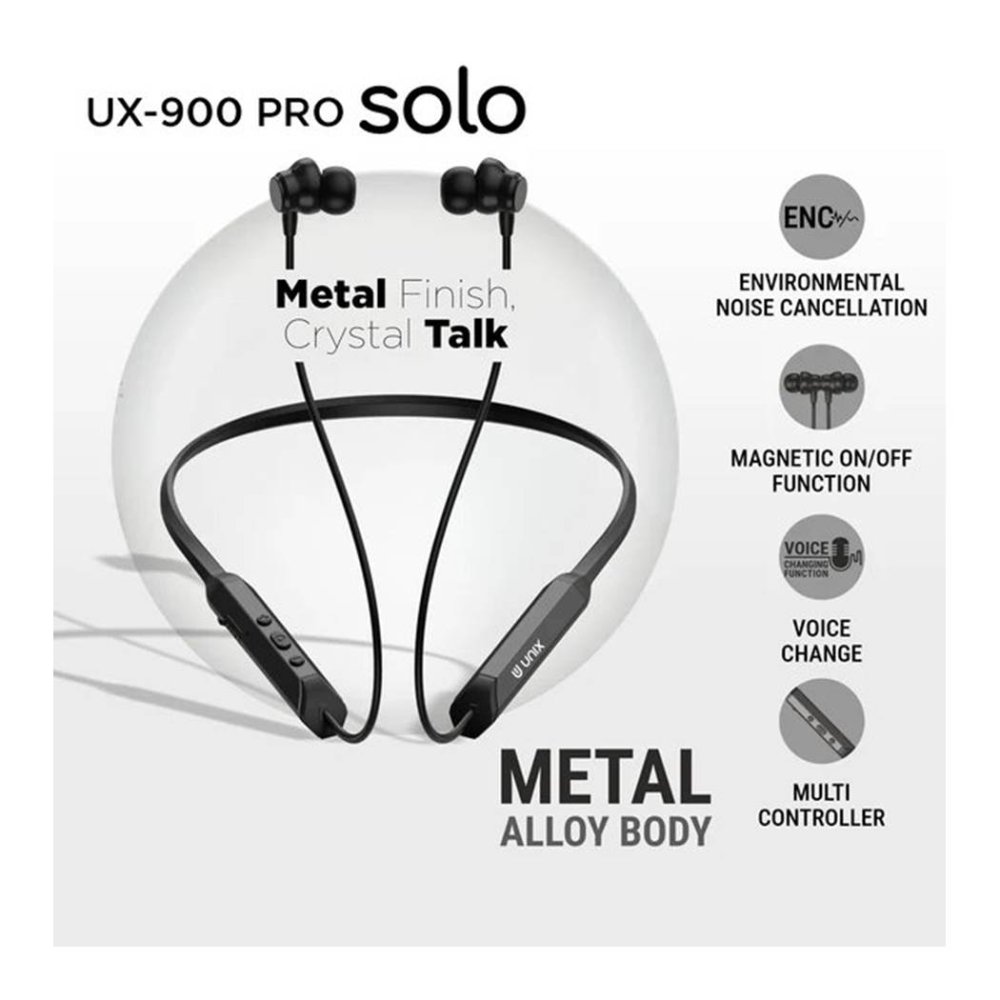
| Other Features | Durable Metal Body : Premium look with long-lasting strength. ENC For Clear Calls : Noise-cancelling mic for hands-free clarity. Type-C Fast Charging : Enjoy rapid recharges and less downtime with modern Type-C charging support. 10mm Real Copper Drivers : Experience immersive audio with punchy bass and rich sound details, tuned for music lovers. Massive 62-Hour Battery Life : Power through your week with a high-capacity 250mAh battery and ultra-efficient Bluetooth 5.4. Sweatproof IPX Design + Metal Body : Workout-ready with IPX protection and a durable metal alloy build for long-lasting wear. ENC Mic For Clear Calls : Environmental Noise Cancellation ensures crisp, clear voice quality during calls, even in noisy surroundings. 4-Mode Voice Changer : Add fun to calls and recordings with adjustable voice effects, perfect for gaming, content creation, or prank calls. Magnetic Auto On/Off Buds : Smart earbuds power on/off automatically when separated or joined for instant connectivity and battery efficiency. |
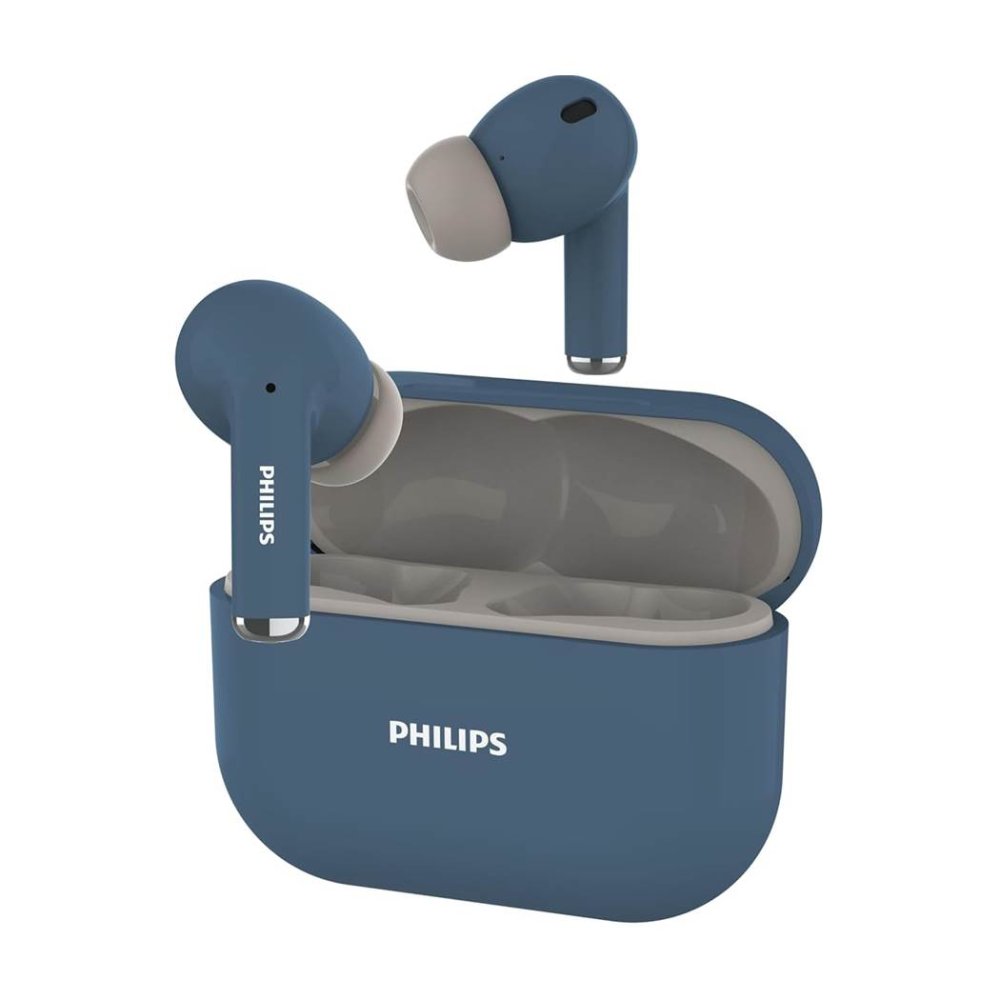
Reliable Connection : Bluetooth connection provides a stable, uninterrupted listening and calling experience. High-Quality Sound : Experience warm, natural sound with dynamic bass boost and 12mm drivers for deep bass and clear calls. Comfort & Controls : Designed for a snug fit with interchangeable silicone ear tips, plus easy on-ear touch controls for convenience. Durable & Splash-Resistant : IPX4 rated, offering protection from sweat and splashes, making them perfect for workouts or outdoor use. Long Playtime & Convenience : Enjoy up to 55 hours of playtime with a pocket-sized charging case, ensuring your earbuds are always ready to go. |
Advertisement
Compare Unix Solo UX-900 PRO with:
Compare Philips TAT1169BL with:
Top Differences
- Battery Life: 7 + 48 Hours vs 62 Hours
- Driver Size: 12 mm vs 10 mm
- Bluetooth: 5.3 vs 5.4
- Weight: 38 GM vs 75 GM
- Impedance: 16 Ohms Vs 25 Ohms
Advertisement