 ALERT
ALERT
Unix Harmony vs Sennheiser MM 30G
Advertisement
| Specification | ||
|---|---|---|
| Price | Rs.2,999.00 |
Rs.3,300.00 |
| Brand | Unix |
Sennheiser |
| Model No | Harmony |
MM 30G |
| Wired / Wireless | Earphone Specification |
Earphone Specification |
| Headphone Type | In Ear |
In Ear Canal |
| Magnet Type | Dynamic |
Neodymium |
| Driver Diameter | 10 mm X 4.8 mm |
NA |
| Impedance | 340 Ohms |
16 Ohms |
| Sensitivity | 106 dBmW |
106 dB/mW |
| Frequency Response | 20Hz - 20KHz |
17 Hz - 20000 Hz |
| Maximum Power Input | 8mW |
NA |
| Noise Cancelling | NA |
NA |
| Available Colors | Black, Green, Pink, Brown, Silver |
Black, White |
| Connector Plating | Type-C Point |
3.5 mm Gold Plated Jack |
| Cable | Tangle-Free Cable |
1.2 m |
| Weight | 100 GM |
11 g |
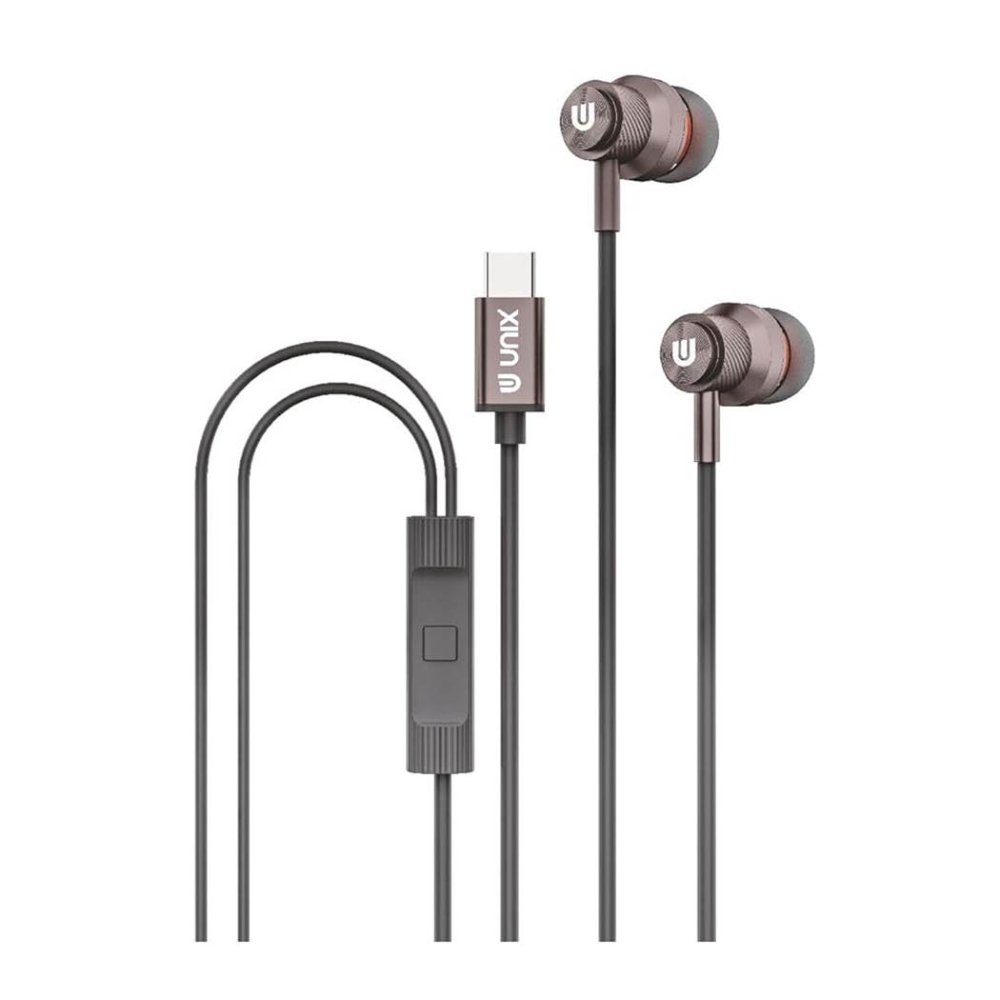
| Other Features | Perfect fit and super bass for an exceptional listening experience. Ideal for superior human voice performance and music enjoyment. Tangle-Free Cable : Durable, flat cable resists tangling for easy storage and long-lasting use. Metallic Look & Comfortable Fit : Stylish metal finish with ergonomic design ensures all-day comfort. Available In 4 Vibrant Colours : Choose the color that suits your style for a personalized audio experience. In-Line Mic For Hands-Free Calls : Built-in microphone enables clear voice calls and convenient communication. HD Sound With Super Bass : Powerful 10mm*4.8mm speaker delivers immersive sound with clear highs and deep bass. Type-C Compatibility : Works with smartphones, tablets, laptops, and all Type-C supported devices no adapter needed. |
- Perfect fit to your Galaxy – made for the latest generations of Samsung Galaxy Smartphones & tablets - Music control in your Galaxy – the in-line remote enables you to easily play/pause your music - Call control in your Galaxy – the in-line remote control with integrated microphone makes it easy to take/end calls - Volume control in your Galaxy - change volume level on the in-line remote control - Effective noise blocking – ear-canal design for effective passive attenuation of ambient noise - The sound your Galaxy deserves – thanks to the high-end dynamic speakers giving superior bass driven Sennheiser stereo sound - Comfortable custom fit – due to 3 sizes of ear sleeves (S/M/L) supplied - Peace of mind - 2-years international warranty |
Advertisement
Compare Unix Harmony with:
Compare Sennheiser MM 30G with:
Top Differences
- Driver Size: NA vs 10 mm X 4.8 mm
- Weight: 11 g vs 100 GM
- Impedance: 16 Ohms Vs 340 Ohms
Advertisement