 ALERT
ALERT
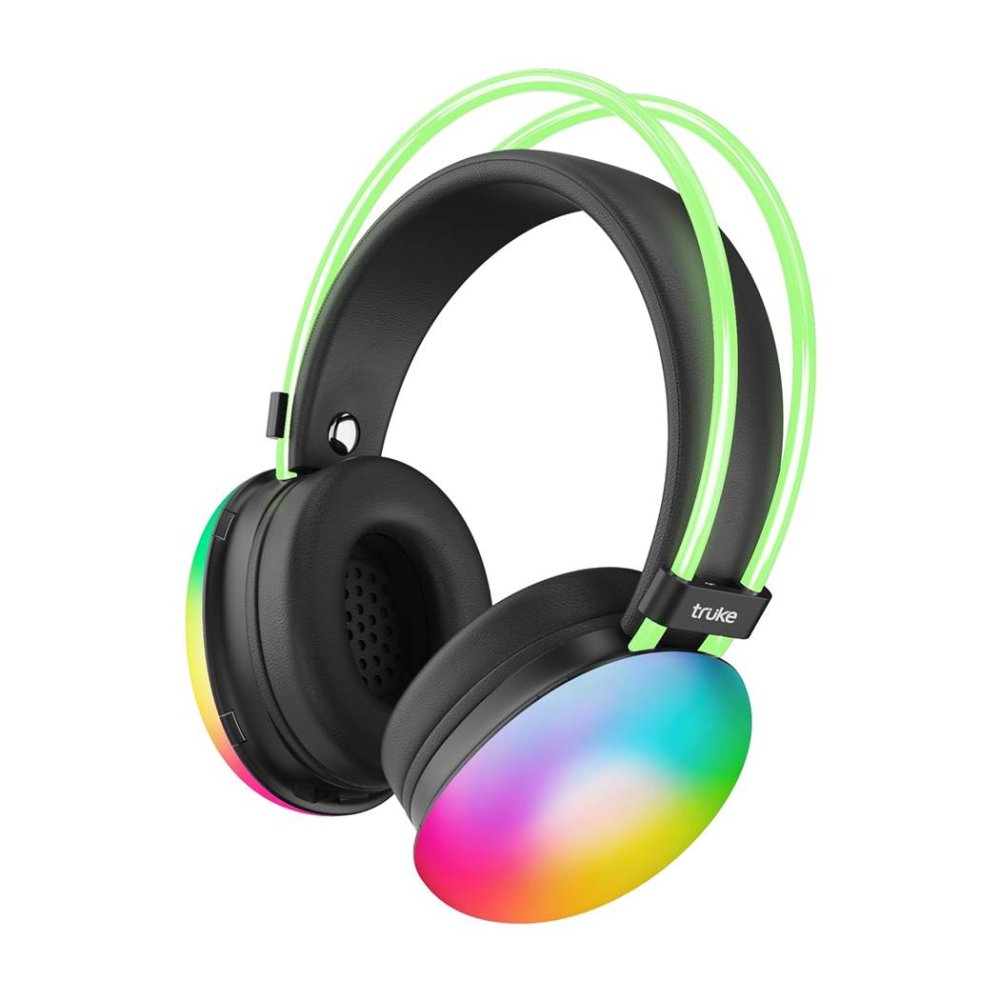
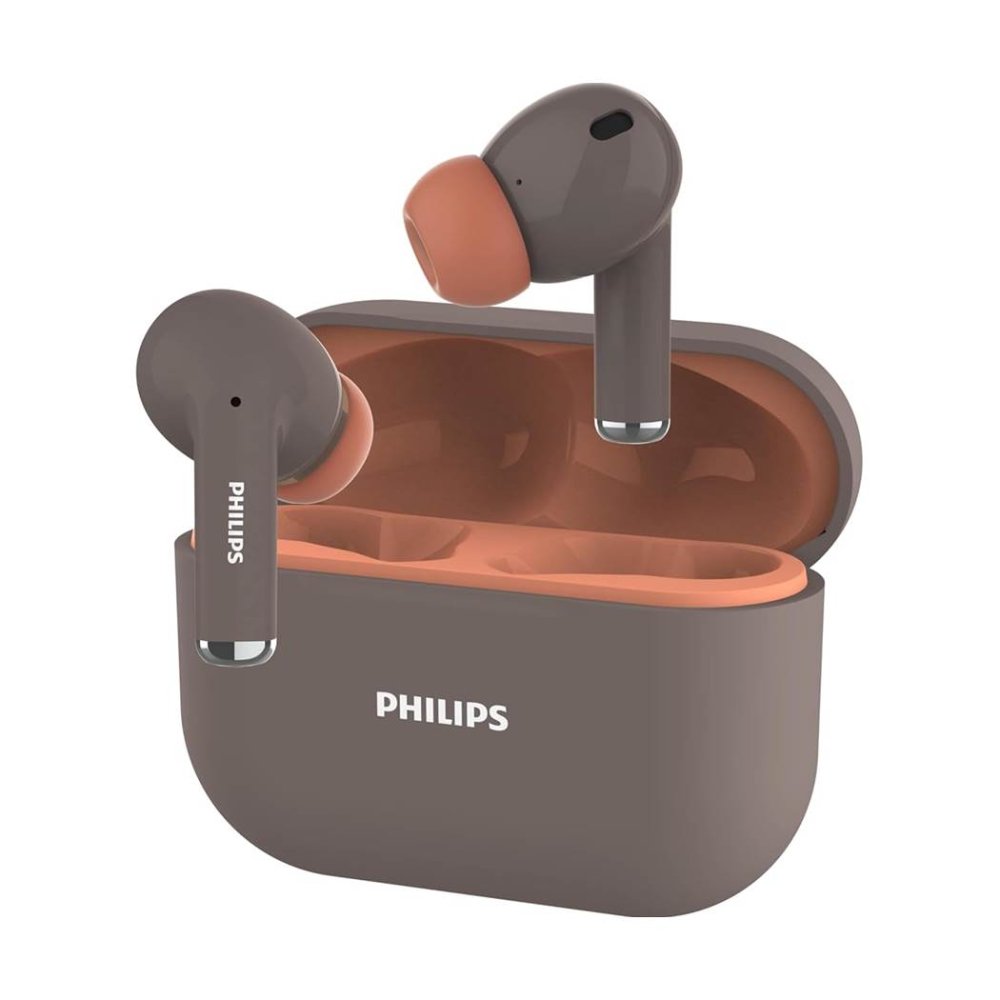
Truke BTG Thunder vs Philips TAT1169BN
Advertisement
| Specification | ||
|---|---|---|
| Price | Rs.2,999.00 |
Rs.2,999.00 |
| Brand | Truke |
Philips |
| Model No | BTG Thunder |
TAT1169BN |
| Wired / Wireless | Wireless Headphone Specification |
Wireless Headphone Specification |
| Headphone Type | Over Ear |
In Ear |
| Magnet Type | Dynamic / Titanium |
Dynamic |
| Driver Diameter | 40 mm |
12 mm |
| Impedance | NA |
16 Ohms |
| Sensitivity | NA |
97dB@1KHz |
| Frequency Response | 20Hz - 20 KHz |
20Hz - 20KHz |
| Maximum Power Input | 5 V 1A |
10 mW |
| Wireless / Bluetooth Details | ||
| Wireless Technology | Bluetooth |
Bluetooth |
| Bluetooth Version | 5.4 |
5.3 |
| Compatible Profiles | All Bluetooth Devices |
All Bluetooth Devices |
| Supported Codecs | AAC, SBC |
AAC, SBC |
| Battery Type | Lithium-Ion Batteries |
Lithium-Ion Batteries |
| Bluetooth Range | 10 Meters |
10 Meters |
| Battery Life | 70 Hours |
7 + 48 Hours |
| Charging Time | 1E+1 Hours |
2 Hours |
| Noise Cancelling | NA |
Environmental Noise Cancelling |
| Available Colors | Black, Blue |
Brown |
| Connector Plating | 3.5 mm Jack |
NA |
| Cable | USB Type-C Charging Cable |
USB Type-C Charging Cable |
| Weight | 234 GM |
38 GM |
| Other Features | 12 Months Warranty & 450+ Service Centers. IPX5 Water Resistant: Sweat-proof. Built for intense play. Bluetooth 5.4 : Stable connection. Reliable wireless experience. RGB LEDs : Light up your game. Customisation, dynamic lighting. Dual Pairing : Seamlessly switch. Connect to two devices at once. Detachable Mic : Clear comms. Strategize with crystal-clear voice chat. 70 Hours Playtime : Game on. Uninterrupted, marathon sessions await. 40ms Low Latency : Zero lag. Dominate with ultra-responsive gameplay. Over-Ear Comfort : Play for hours. Ergonomic design for extended gaming. 40 mm Titanium Drivers : Hear every detail. Immersive, high-fidelity sound. Precision Audio with Titanium Drivers: Experience a rich, detailed soundscape with the 40 mm titanium drivers. These drivers are engineered to deliver clear highs, punchy mids, and deep, resonant bass, enhancing the immersive quality of your gaming and entertainment. Effortless Multi-Device Connectivity: Stay connected to multiple devices simultaneously with the dual-pairing feature. Seamlessly switch between your gaming PC, smartphone, or tablet without the hassle of constant re-pairing. This is ideal for multitasking and staying connected. |
Reliable Connection : Bluetooth connection provides a stable, uninterrupted listening and calling experience. High-Quality Sound : Experience warm, natural sound with dynamic bass boost and 12mm drivers for deep bass and clear calls. Comfort & Controls : Designed for a snug fit with interchangeable silicone ear tips, plus easy on-ear touch controls for convenience. Durable & Splash-Resistant : IPX4 rated, offering protection from sweat and splashes, making them perfect for workouts or outdoor use. Long Playtime & Convenience : Enjoy up to 55 hours of playtime with a pocket-sized charging case, ensuring your earbuds are always ready to go. |
Advertisement
Compare Truke BTG Thunder with:
Compare Philips TAT1169BN with:
Top Differences
- Battery Life: 7 + 48 Hours vs 70 Hours
- Noise Cancelling: Environmental Noise Cancelling vs NA
- Driver Size: 12 mm vs 40 mm
- Bluetooth: 5.3 vs 5.4
- Weight: 38 GM vs 234 GM
Advertisement