 ALERT
ALERT
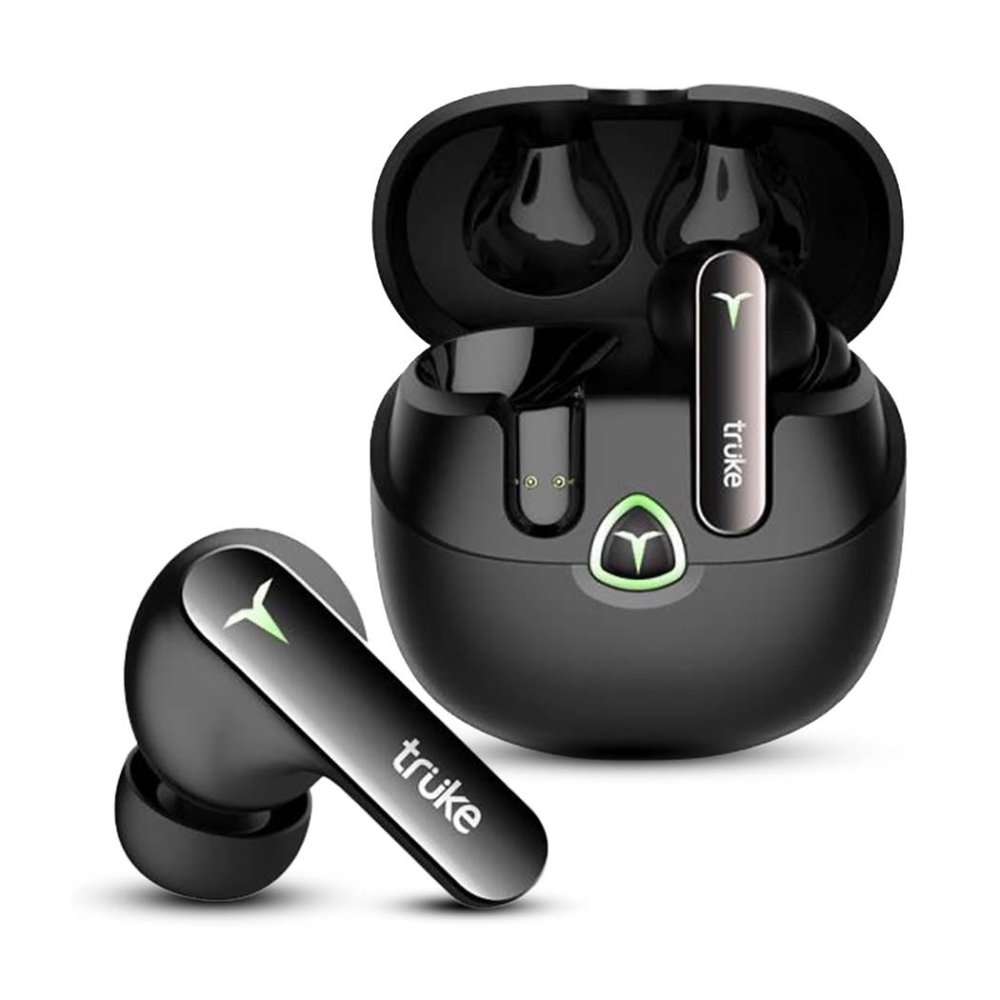
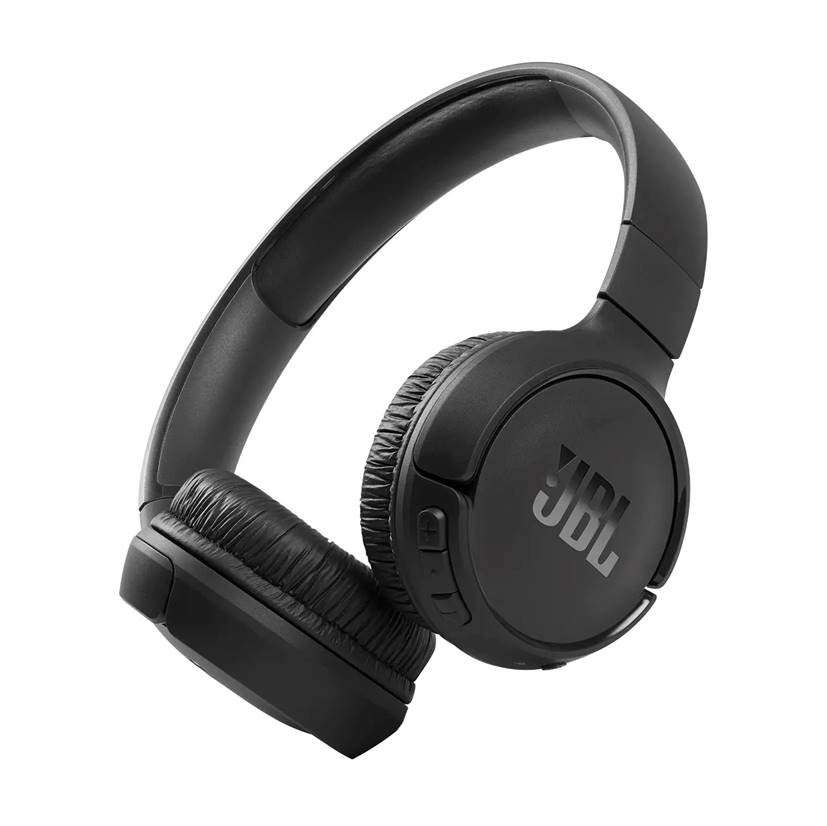
Truke BTG Flex vs JBL Tune 510BT
Advertisement
| Specification | ||
|---|---|---|
| Price | Rs.3,499.00 |
Rs.3,499.00 |
| Brand | Truke |
JBL |
| Model No | BTG Flex |
Tune 510BT |
| Wired / Wireless | Wireless Headphone Specification |
Wireless Headphone Specification |
| Headphone Type | In Ear |
On Ear |
| Magnet Type | Dynamic |
Dynamic |
| Driver Diameter | 13 mm |
32 mm |
| Impedance | NA |
32 Ohm |
| Sensitivity | NA |
103.5dBSPL |
| Frequency Response | 20Hz - 20 KHz |
20 Hz - 20000 Hz |
| Maximum Power Input | 5 V 1A |
5V / 1A |
| Wireless / Bluetooth Details | ||
| Wireless Technology | Bluetooth |
Bluetooth |
| Bluetooth Version | 5.4 |
5.0 |
| Compatible Profiles | All Bluetooth Devices |
All Bluetooth Devices |
| Supported Codecs | AAC, SBC |
HFP, A2DP, AVRCP |
| Battery Type | Lithium-Ion Batteries |
Lithium-ion Batteries |
| Bluetooth Range | 10 Meters |
10 Meters |
| Battery Life | 60 Hours |
40 Hours |
| Charging Time | 1E+1 Hours |
2 Hours |
| Noise Cancelling | Environmental Noise Cancellation |
NA |
| Available Colors | Black, Green, Orange |
Black, White, Blue |
| Connector Plating | NA |
NA |
| Cable | USB Type-C Charging Cable |
USB Type-C Charging Cable |
| Weight | 50 GM |
160 Gm |
| Other Features | IPX5 Rating : The Truke BTG Flex is resistant to sweat and light rain, making it perfect for workouts and outdoor activities without worry. Bluetooth 5.4 : Enjoy the latest in Bluetooth technology with BT 5.4, offering a stable, efficient connection with improved range and faster data transmission. Powerful 13mm Drivers : The large 13 mm drivers produce deep bass and clear treble, enhancing your overall listening experience with powerful and precise sound. 60H Playtime : Enjoy a massive total playtime of up to 60 hours, ensuring that your earbuds keep up with your longest days and nights without needing frequent recharges. Quad-Mic ENC : Four built-in microphones with Environmental Noise Cancellation technology ensure your voice comes through clearly during calls, even in noisy environments. 40ms Ultra Low Latency Battle Mode : Experience lightning-fast audio response with a latency of just 40ms, providing an edge in gaming and ensuring perfect sync with your game play. 360Spatial Audio with HiFi DSP Sound : Surround yourself with immersive, high-fidelity audio thanks to 360 Spatial technology and HiFi DSP, delivering rich, crystal-clear sound quality. |
JBL Pure Bass Sound. Ask Siri or Hey Google. Multi-point connections. Wireless Bluetooth 5.0 Streaming. Up to 40H battery life and speed charge. Lightweight, comfortable and foldable design. A quick 5-minute recharge gives you 2 additional hours of music. Easily control your sound and manage your calls from your headphones with the convenient buttons on the ear-cup. Siri or Hey Google is just a button away: activate the voice assistant of your device by pushing the multi-function button. |
Advertisement
Compare Truke BTG Flex with:
Compare JBL Tune 510BT with:
Top Differences
- Battery Life: 40 Hours vs 60 Hours
- Noise Cancelling: NA vs Environmental Noise Cancellation
- Driver Size: 32 mm vs 13 mm
- Bluetooth: 5.0 vs 5.4
- Weight: 160 Gm vs 50 GM
Advertisement