 ALERT
ALERT
Truke BTG Crystal Gaming vs JBL Endurance SPRINT
Advertisement
| Specification | ||
|---|---|---|
| Price | Rs.3,499.00 |
Rs.3,499.00 |
| Brand | Truke |
JBL |
| Model No | BTG Crystal Gaming |
Endurance SPRINT |
| Wired / Wireless | Wireless Headphone Specification |
Wireless Headphone Specification |
| Headphone Type | In Ear |
In Ear |
| Magnet Type | Dynamic |
Dynamic |
| Driver Diameter | 13 mm |
10 mm |
| Impedance | NA |
16 ohm |
| Sensitivity | NA |
-20dB |
| Frequency Response | 20Hz - 20 KHz |
20 Hz - 20000 kHz |
| Maximum Power Input | 5 V 1A |
NA |
| Wireless / Bluetooth Details | ||
| Wireless Technology | Bluetooth |
Bluetooth |
| Bluetooth Version | 5.4 |
4.2 |
| Compatible Profiles | All Bluetooth Devices |
All Bluetooth Devices |
| Supported Codecs | AAC, SBC |
HFP, A2DP, AVRCP |
| Battery Type | Lithium-Ion Batteries |
Lithium-ion Polymer Battery |
| Bluetooth Range | 10 Meters |
10 Meters |
| Battery Life | 68 Hours |
8 Hours |
| Charging Time | 1E+1 Hours |
2 Hours |
| Noise Cancelling | Environmental Noise Cancellation |
NA |
| Available Colors | Black, White |
Black, Blue, Red, Green, Yellow |
| Connector Plating | NA |
No |
| Cable | USB Type-C Charging Cable |
Charging Cable |
| Weight | 38 GM |
56 gm |
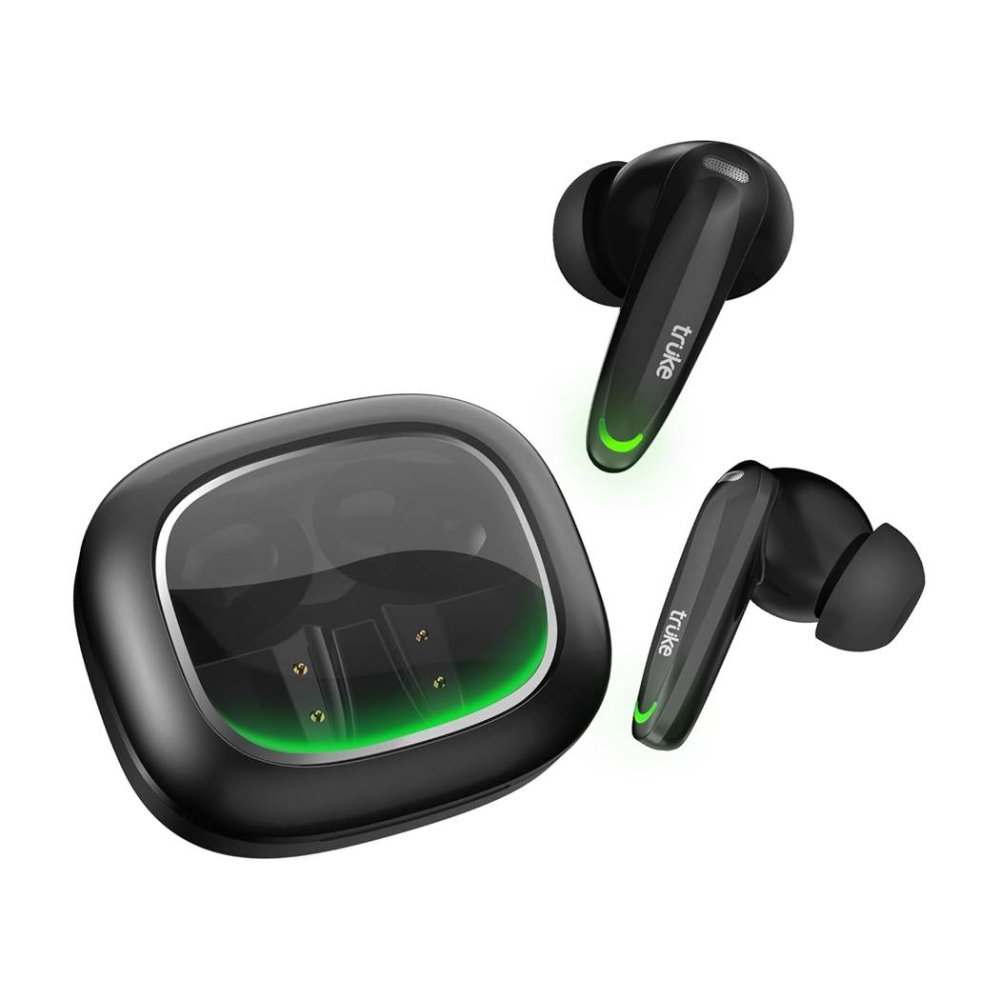
| Other Features | Designed for both gamers and audiophiles, blending advanced technology with stunning aesthetics. Showcases a striking RGB LED case design, giving it a vibrant, futuristic look that appeals to gamers' aesthetics. 360-degree Spatial Audio provides an immersive, theater-like sound experience, perfect for both gaming and music. Bluetooth 5.4 technology supports dual pairing, enabling seamless switching between devices for effortless multitasking. Boasts an impressive 68-hour playtime for extended gaming and music sessions, minimizing the need for frequent charging. A versatile powerhouse combining style, functionality, and high performance for an unparalleled audio and gaming experience. IPX5 water-resistant rating makes it durable and suitable for workouts or outdoor activities, protecting against sweat and splashes. Equipped with 13mm dynamic drivers and Hi-Fi DSP Sound for deep bass and crystal-clear highs, delivering premium audio quality. Quad-mic Environmental Noise Cancellation ensures clear voice capture by suppressing background noise, making it ideal for calls even in noisy environments. Features a 40ms ultra-low latency mode for nearly instant audio response, ensuring precise synchronization with on-screen actions ideal for competitive gaming. |
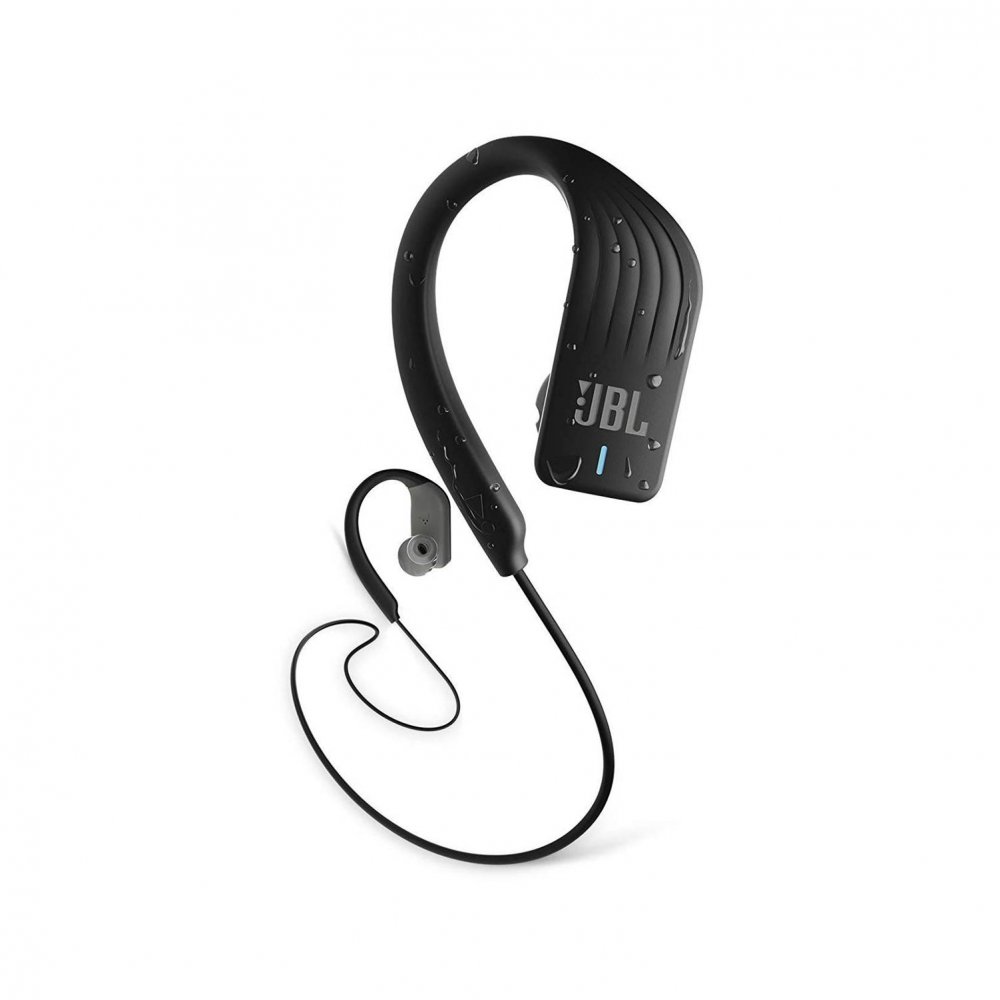
Hands-free calls. Never hurt. Never fall out. Durable silicone carrying case. Wireless and IPX7 waterproof. Thanks to TwistLock™ and FlexSoft™ technologies. Up to 8 hours of wireless playback with Speed Charge battery. Secure fi t ear hook design provides ultimate stability during workout. Bluetooth® technology enables hands-free calling, allowing you to focus on your workout. Featuring IPX7, the JBL Endurance SPRINT are designed to be used while swimming and in all weather conditions. |
Advertisement
Compare Truke BTG Crystal Gaming with:
Compare JBL Endurance SPRINT with:
Top Differences
- Battery Life: 8 Hours vs 68 Hours
- Noise Cancelling: NA vs Environmental Noise Cancellation
- Driver Size: 10 mm vs 13 mm
- Bluetooth: 4.2 vs 5.4
- Weight: 56 gm vs 38 GM
Advertisement