 ALERT
ALERT
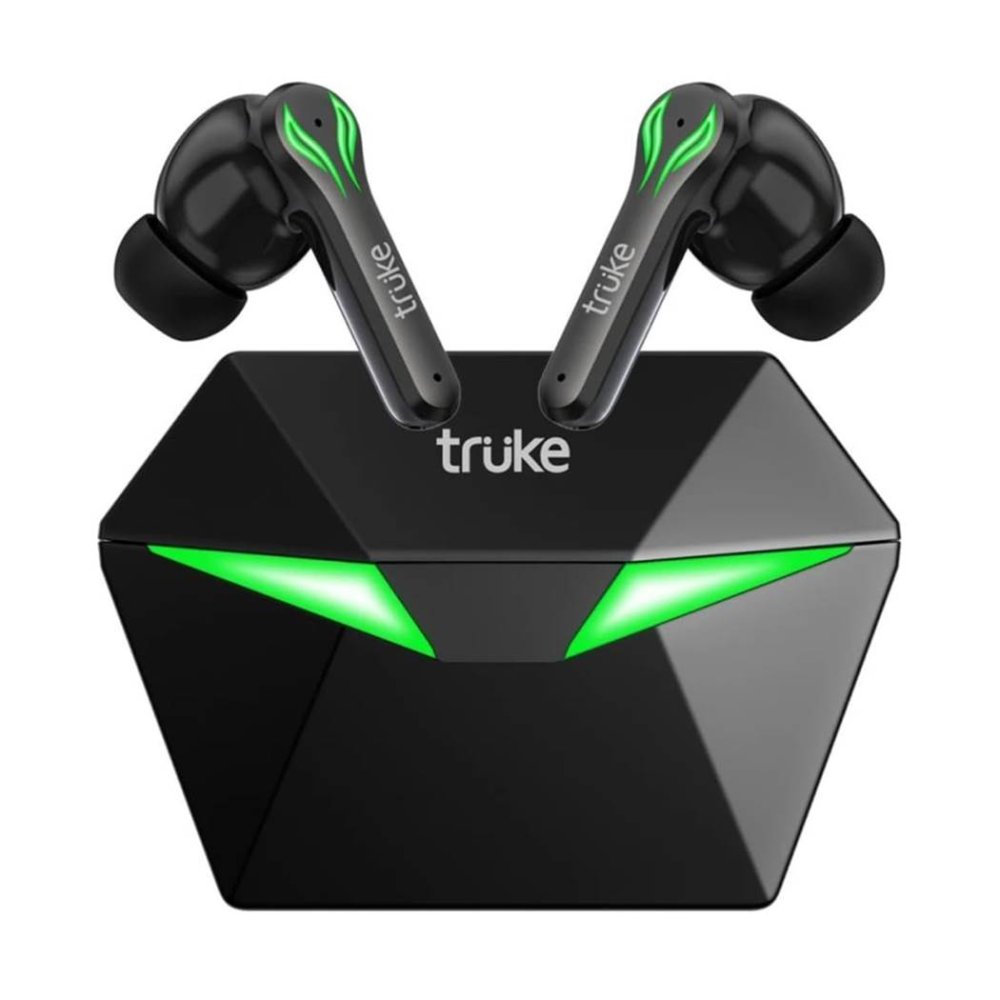
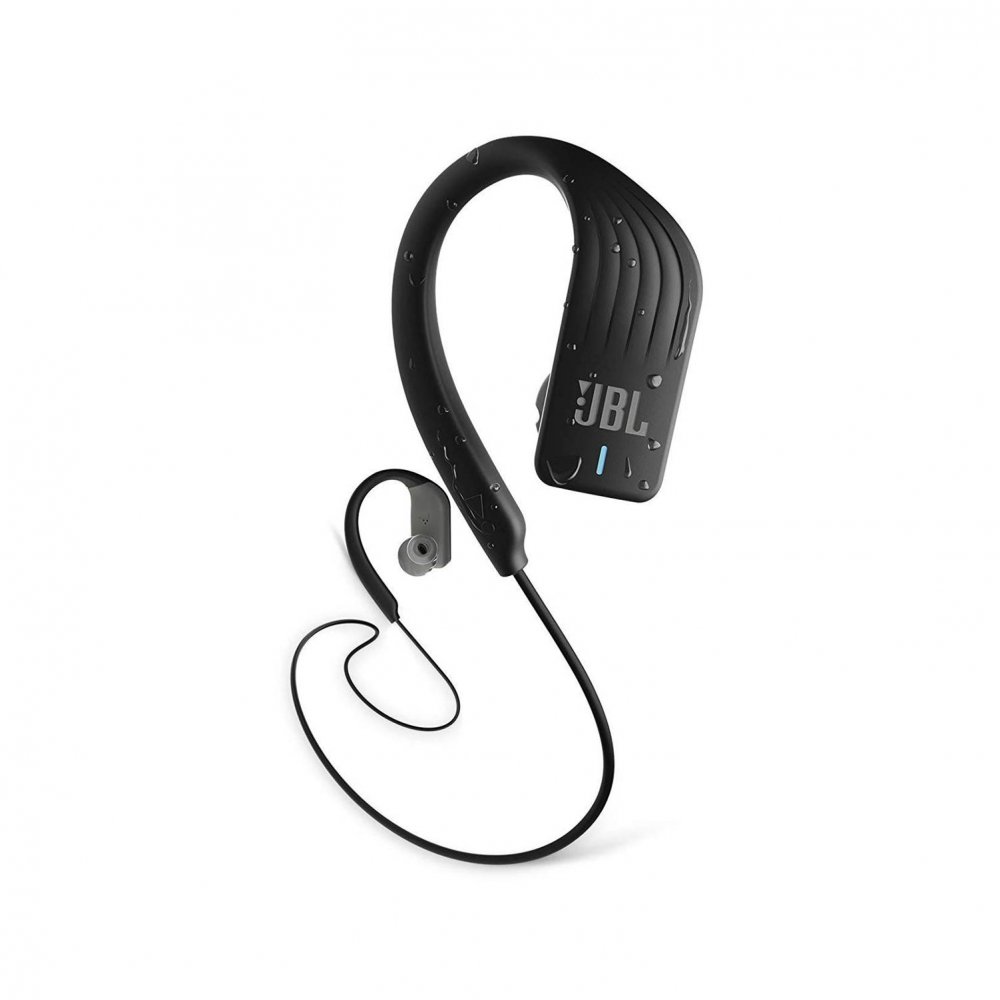
Truke BTG 1 Earbuds vs JBL Endurance SPRINT
Advertisement
| Specification | ||
|---|---|---|
| Price | Rs.3,499.00 |
Rs.3,499.00 |
| Brand | Truke |
JBL |
| Model No | BTG 1 Earbuds |
Endurance SPRINT |
| Wired / Wireless | Wireless Headphone Specification |
Wireless Headphone Specification |
| Headphone Type | In Ear |
In Ear |
| Magnet Type | Dynamic |
Dynamic |
| Driver Diameter | 13 mm |
10 mm |
| Impedance | 32 Ohms |
16 ohm |
| Sensitivity | NA |
-20dB |
| Frequency Response | 20Hz - 20 KHz |
20 Hz - 20000 kHz |
| Maximum Power Input | 5 V 1A |
NA |
| Wireless / Bluetooth Details | ||
| Wireless Technology | Bluetooth |
Bluetooth |
| Bluetooth Version | 5.1 |
4.2 |
| Compatible Profiles | All Bluetooth Devices |
All Bluetooth Devices |
| Supported Codecs | AAC, SBC |
HFP, A2DP, AVRCP |
| Battery Type | Lithium-Ion Batteries |
Lithium-ion Polymer Battery |
| Bluetooth Range | 10 Meters |
10 Meters |
| Battery Life | 48 Hours |
8 Hours |
| Charging Time | 1E+1 Hours |
2 Hours |
| Noise Cancelling | Environmental Noise Cancellation |
NA |
| Available Colors | Black |
Black, Blue, Red, Green, Yellow |
| Connector Plating | NA |
No |
| Cable | USB Type-C Charging Cable |
Charging Cable |
| Weight | 42 GM |
56 gm |
| Other Features | 1 Year Warranty : Truke Buds BTG 1 Truly Wireless Earphones with Mic come with 1 Year Warranty from date of purchase. Mandatory registration is required on truke website within 10 days of purchase. Quad Mic with ENC : Dual-Mic on each earbud captures external sound and intelligent Environmental Noise Cancellation system eliminates Noise, Echo & Wind sound to provide a clear calling experience. 10hrs Playtime Single Charge : Truke Bassbuds BTG 1 TWS offers a Playtime of up to 10hours on single charge. Get an additional playtime of up to 38hours using 300mAh Charging Case. Making a total of up to 48hours of playtime. 60ms Imperceptible Low Latency : Enjoy a best Gaming experience with Best in Class low latency of up to 60ms. The Earbuds are customized with Special Tuning Effects to Accurately identify Enemy position and Enhanced Gunshot effects. Tap 3 times of right earpods to enter Gaming Mode. True Deep Bass : 13 mm 32Ω Titanium drivers deliver High dynamics, High Sensitivity and High Fidelity providing a Cinematic Sound Experience. Intelligent Equalizer seamlessly adjusts the sound effects to provide clear audio experience while watching a movie or True Deep Bass while listening to your favorite music. |
Hands-free calls. Never hurt. Never fall out. Durable silicone carrying case. Wireless and IPX7 waterproof. Thanks to TwistLock™ and FlexSoft™ technologies. Up to 8 hours of wireless playback with Speed Charge battery. Secure fi t ear hook design provides ultimate stability during workout. Bluetooth® technology enables hands-free calling, allowing you to focus on your workout. Featuring IPX7, the JBL Endurance SPRINT are designed to be used while swimming and in all weather conditions. |
Advertisement
Compare Truke BTG 1 Earbuds with:
Compare JBL Endurance SPRINT with:
Top Differences
- Battery Life: 8 Hours vs 48 Hours
- Noise Cancelling: NA vs Environmental Noise Cancellation
- Driver Size: 10 mm vs 13 mm
- Bluetooth: 4.2 vs 5.1
- Weight: 56 gm vs 42 GM
Advertisement