 ALERT
ALERT
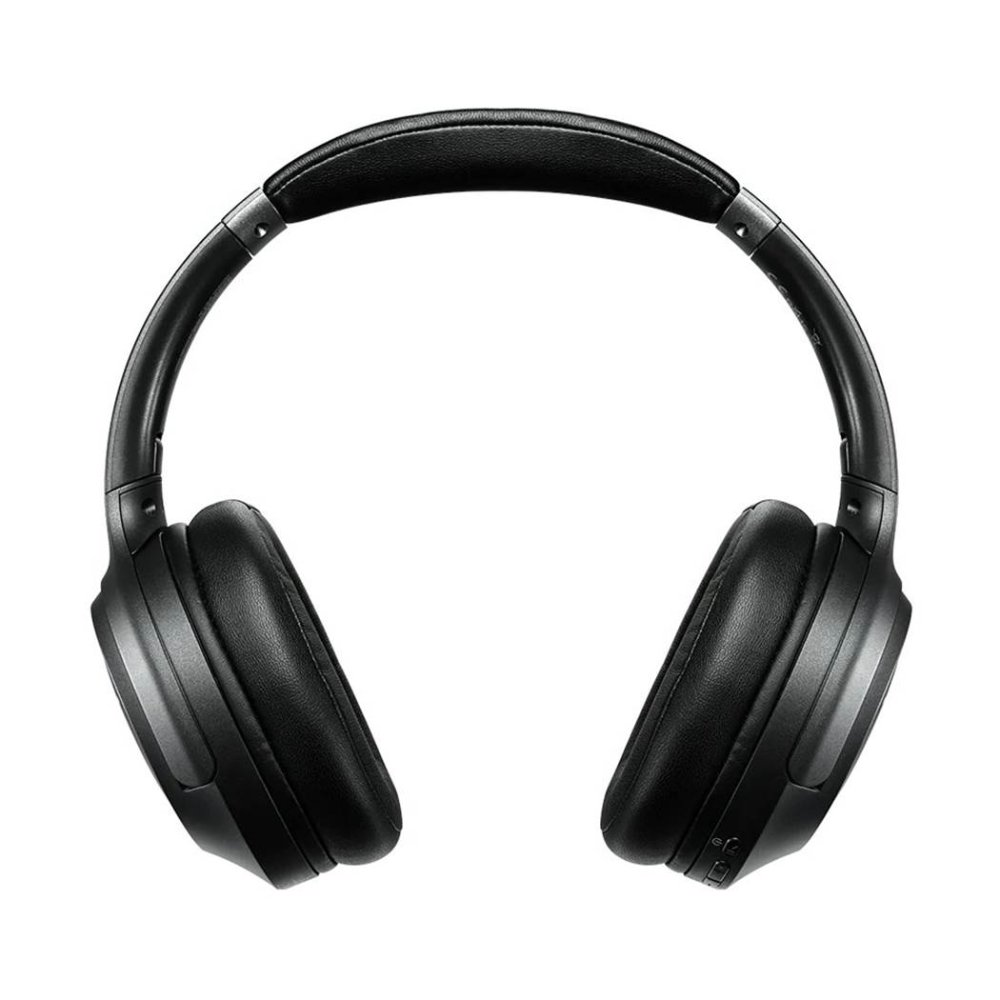
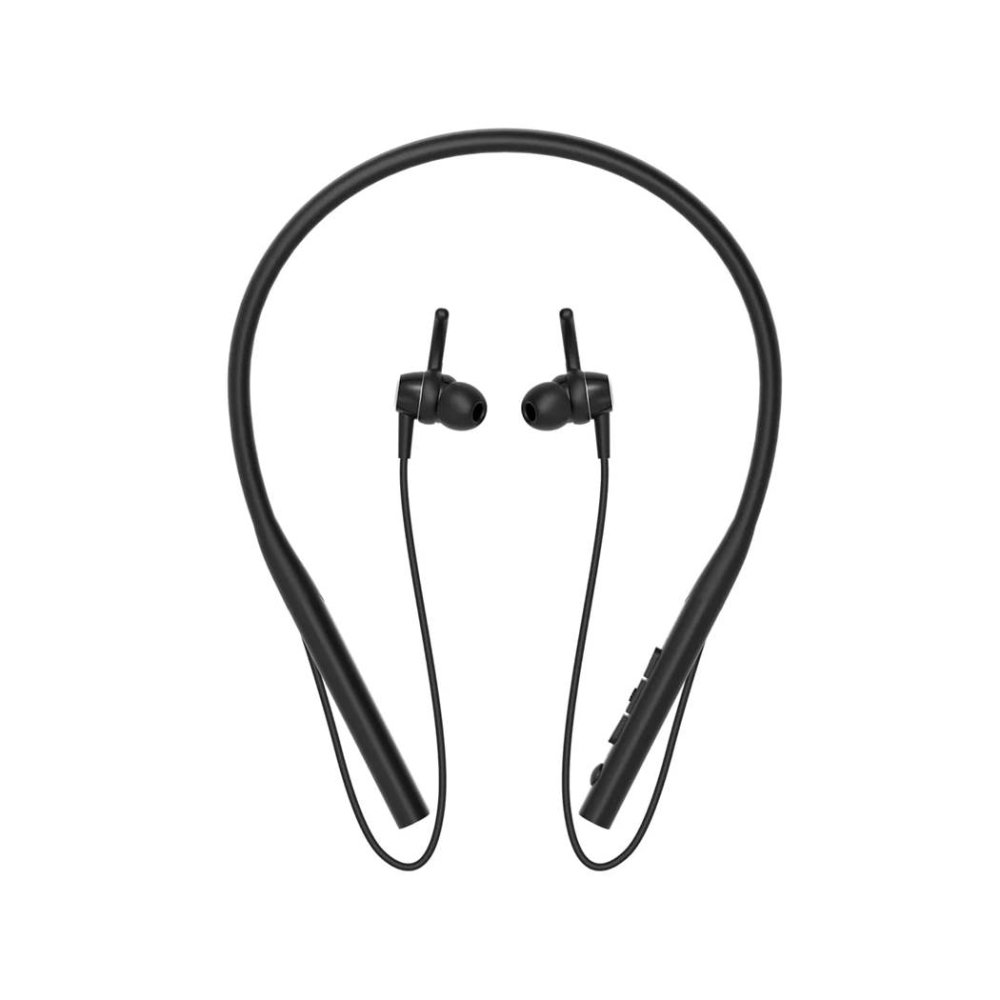
Tribit XFree Go S vs Philips AN4207BK
Advertisement
| Specification | ||
|---|---|---|
| Price | Rs.2,816.80 |
Rs.2,799.00 |
| Brand | Tribit |
Philips |
| Model No | XFree Go S |
AN4207BK |
| Wired / Wireless | Wireless Headphone Specification |
Wireless Headphone Specification |
| Headphone Type | Over Ear |
Neckband |
| Magnet Type | Dynamic |
Dynamic |
| Driver Diameter | 40 mm |
10 mm |
| Impedance | 32 Ohms |
16 Ohms |
| Sensitivity | 100dB ± 3dB |
98dB@1KHz |
| Frequency Response | 20Hz - 20 KHz |
20Hz - 20KHz |
| Maximum Power Input | 5 V 1A |
5 mW |
| Wireless / Bluetooth Details | ||
| Wireless Technology | Bluetooth |
Bluetooth |
| Bluetooth Version | 5.3 |
5.3 |
| Compatible Profiles | All Bluetooth Devices |
All Bluetooth Devices |
| Supported Codecs | AAC, SBC |
SBC |
| Battery Type | Lithium-Ion Batteries |
Lithium-Polymer Batteries |
| Bluetooth Range | 10 Meters |
10 Meters |
| Battery Life | 30 Hours |
20 Hours |
| Charging Time | 1.5 Hours |
2 Hours |
| Noise Cancelling | Environmental Noise Cancellation |
Environmental Noise Cancelling |
| Available Colors | Black |
Black |
| Connector Plating | 3.5 mm Jack |
NA |
| Cable | USB Type-C Charging Cable |
USB Type-C Charging Cable |
| Weight | 225 GM |
54 GM |
| Other Features | 1 Year Warranty. Folding Design : Easy to store. The head-mounted type is sturdy and compact and it can be stored and carried correctly. Extreme Batteries Life : USB-C Fast Charging Function and 30H Playtime make it a perfect outdoor companion for a full day activities. XBass Sound : Providing you with high-quality pure stereo audio output with rich bass, clear midrange, balanced treble and high definition. Dual Mode : After 30 hours of playtime, you can switch to wired mode and enjoy your music NON-STOP. You do not need to worry about power shortage problem for the long travel. High Quality Wireless Bluetooth 5.3 : The most advanced Bluetooth 5. 3: This Bluetooth headphones adopt the latest generation chip and Bluetooth 5.3 technology, supports various Bluetooth-enabled devices. |
ULTRA LIGHTWEIGHT : Free from wires that hold you down. These wireless headphones are so slim and light that you barely feel them in your ears. PLAY TIME : With 20 hours of play time, you will have enough power to keep your music going all day, no matter how busy it gets. A quick 15-minute charge will keep the music playing for 1 hour. VOICE ASSISTANT : Activate Voice Assistant with just a press of the button and make your life easier. Check weather, news, latest cricket scores, manage calls, music or get any information easily and quickly. BLUETOOTH 5.3 : The latest Bluetooth 5.3 offers enhanced sound transmission, faster pairing, more stable wireless connection and wider compatibility with Bluetooth enabled cell phones, tablets, computers, smart watches and smart speakers. IPX5 WATERPROOF : Designed for your active lifestyle. These earplugs are IPX5 and can withstand sweating. The ergonomic design provides the ultimate comfort for your active lifestyle, such as running, jogging, cycling, driving, camping, hiking, fitness and other outdoor sports. |
Advertisement
Compare Tribit XFree Go S with:
Compare Philips AN4207BK with:
Top Differences
- Battery Life: 20 Hours vs 30 Hours
- Noise Cancelling: Environmental Noise Cancelling vs Environmental Noise Cancellation
- Driver Size: 10 mm vs 40 mm
- Weight: 54 GM vs 225 GM
- Impedance: 16 Ohms Vs 32 Ohms
Advertisement