 ALERT
ALERT
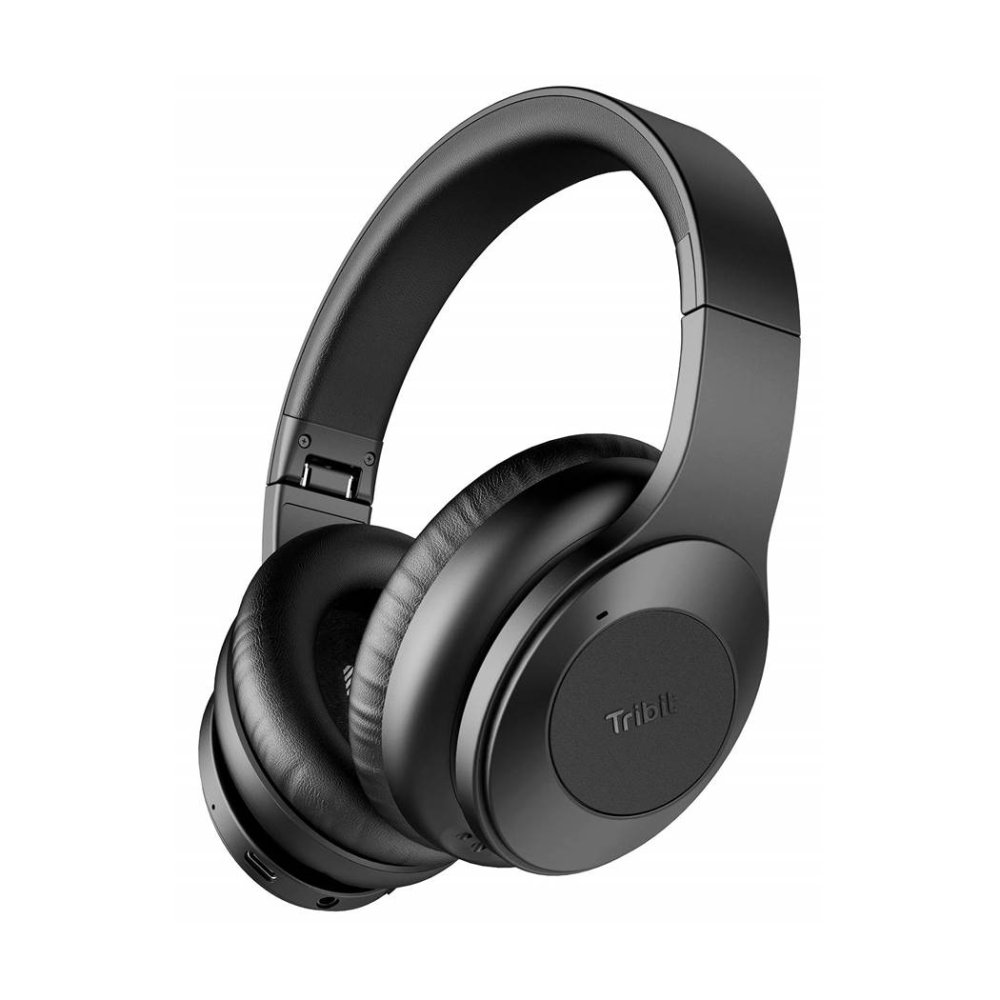
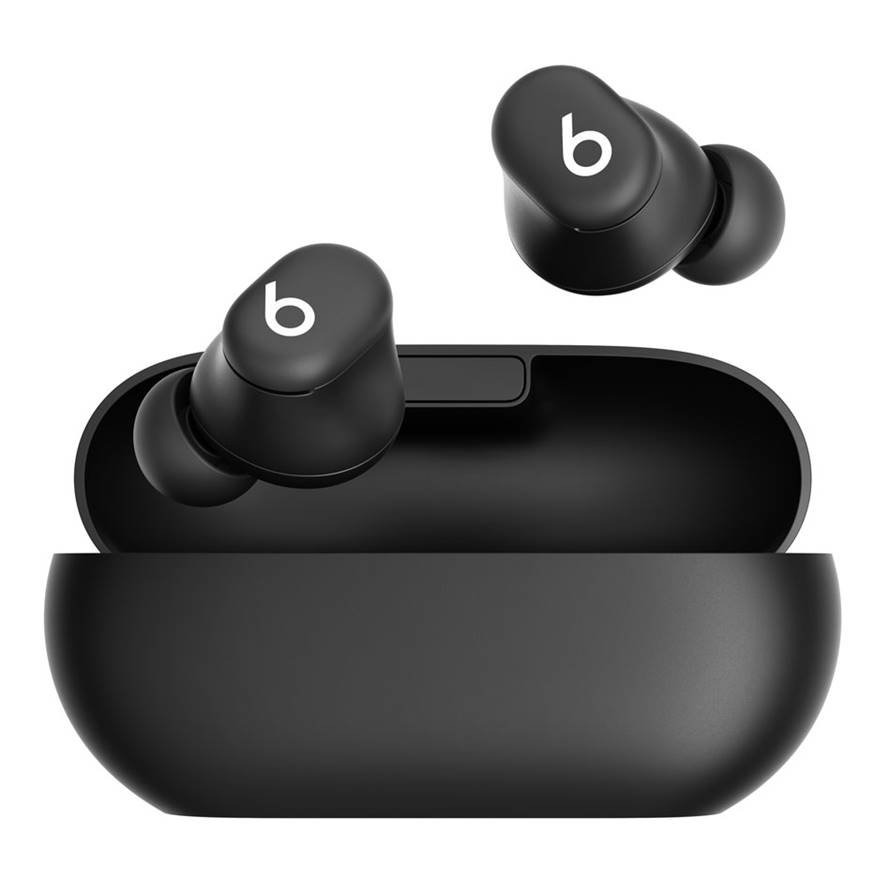
Tribit QuietPlus ANC vs Beatsbydre Beats Solo Buds
Advertisement
| Specification | ||
|---|---|---|
| Price | Rs.6,830.00 |
Rs.6,900.00 |
| Brand | Tribit |
Beatsbydre |
| Model No | QuietPlus ANC |
Beats Solo Buds |
| Wired / Wireless | Wireless Headphone Specification |
Wireless Headphone Specification |
| Headphone Type | Over Ear |
In Ear |
| Magnet Type | Dynamic |
Dynamic |
| Driver Diameter | 40 mm |
8.2 mm |
| Impedance | 32 Ohms |
35 Ohms |
| Sensitivity | 102dB ± 3dB |
NA |
| Frequency Response | 20Hz - 20 KHz |
20Hz - 20KHz |
| Maximum Power Input | 5 V 1A |
100 mW |
| Wireless / Bluetooth Details | ||
| Wireless Technology | Bluetooth |
Bluetooth |
| Bluetooth Version | 5.0 |
5.3 |
| Compatible Profiles | All Bluetooth Devices |
All Bluetooth Devices |
| Supported Codecs | AAC, SBC |
AAC |
| Battery Type | Lithium-Ion Batteries |
Lithium-Ion Batteries |
| Bluetooth Range | 10 Meters |
100 Meters |
| Battery Life | 30 Hours |
18 Hours |
| Charging Time | 1.5 Hours |
1 Hours |
| Noise Cancelling | Active Noise Cancelling |
NA |
| Available Colors | Black |
Black, Red, Grey, Purple |
| Connector Plating | 3.5 mm Jack |
NA |
| Cable | USB Type-C Charging Cable |
USB Type-C Charging Cable |
| Weight | 250 GM |
27.7 GM |
| Other Features | 30-Hour Playtime & USB-C Fast Charging : The battery lasts for about 30 hours of playtime on a single charge. A 10-minute charge provides up to 4 hours of listening. Comfortable Wearing & Foldable Design : Soft memory-protein earpads and adjustable headband provide exceptional wearing comfort for long listening sessions, Comes EVA case is convenient to store headphones when not in use. CVC8.0 Noise Cancelling Mics & Bluetooth 5.0 : 2 microphones with CVC8.0 Noise Cancelling to accurately pick up and enhance your voice while suppressing other noises for clearer calls. Built-in QCC3003 Bluetooth Chip ensures users can connect their headset to PCs and mobile devices simultaneously within a 50 feet range. Hi-Fi Stereo Sound & Strong Bass : The High-fidelity stereo sound benefits from 40mm dynamic drivers, CSR chip, and the around-ear cushion design which provide a well-closed and immersed environment for your ears, helps you hear every detail of your favourite songs, you will enjoy immersively, and feeling like a live-concert at home. Active Noise Cancelling Technology : Active noise-cancelling headphones can achieve an optimal noise cancellation effect up to 32dB, one feed-forward microphone and one feed-back microphone catch more of the ambient sound around you. Having caught the ambient sound, the processor cleverly creates an inverted sound wave to reduce Ambient noises by up to 90%. |
The smallest, lightest case Beats has ever made. Ergonomically angled acoustic nozzles for a natural fit. Extended earbud battery life with up to 18 hours of playback. With Fast Fuel, a quick 5-minute charge gives up to 1 hour of playback. Industry-leading Class 1 Bluetooth® for extended range and fewer dropouts. Axial-aligned drivers are positioned parallel to the acoustic nozzle to deliver sound more directly to your ears. Custom-made acoustic architecture tuned for music first to deliver big Beats sound with full range and clarity. Laser-cut vents engineered to improve bass performance while gently relieving air pressure for added comfort. Exceptional call performance from leading-edge microphones powered by an advanced noise-learning algorithm. Dual-layer drivers minimise micro-distortions across the frequency curve, ensuring high-fidelity sound with uncompromising accuracy. Dual compatibility with both iOS and Android devices straight out of the box for seamless one-touch pairing, automatic pre-pairing across your devices, plus Find My or Find My Device. |
Advertisement
Compare Tribit QuietPlus ANC with:
Compare Beatsbydre Beats Solo Buds with:
Top Differences
- Battery Life: 18 Hours vs 30 Hours
- Noise Cancelling: NA vs Active Noise Cancelling
- Driver Size: 8.2 mm vs 40 mm
- Bluetooth: 5.3 vs 5.0
- Weight: 27.7 GM vs 250 GM
Advertisement