 ALERT
ALERT
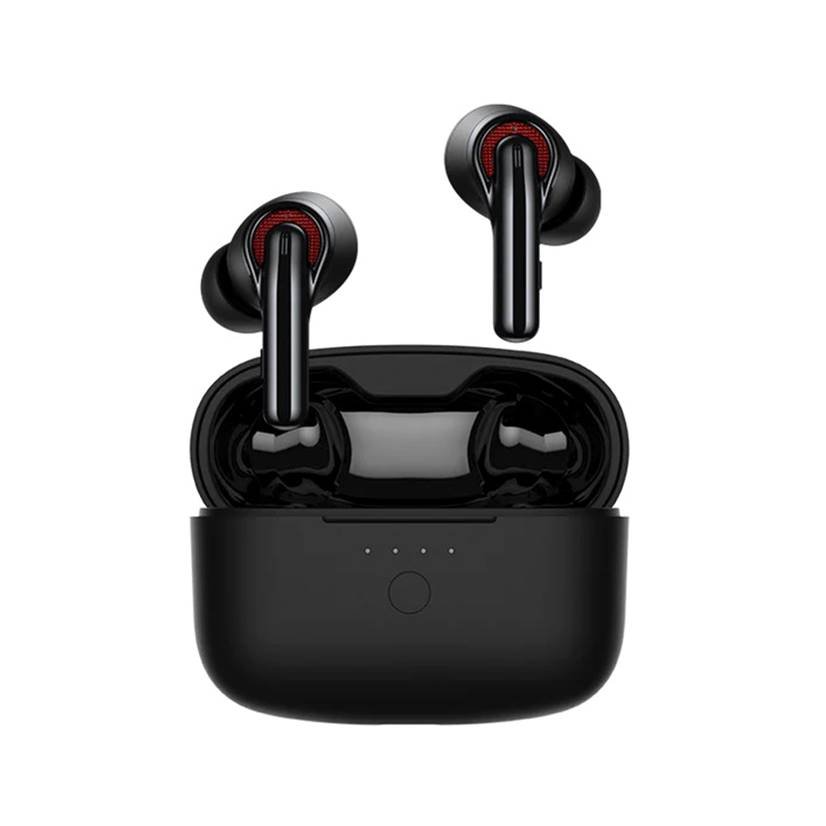
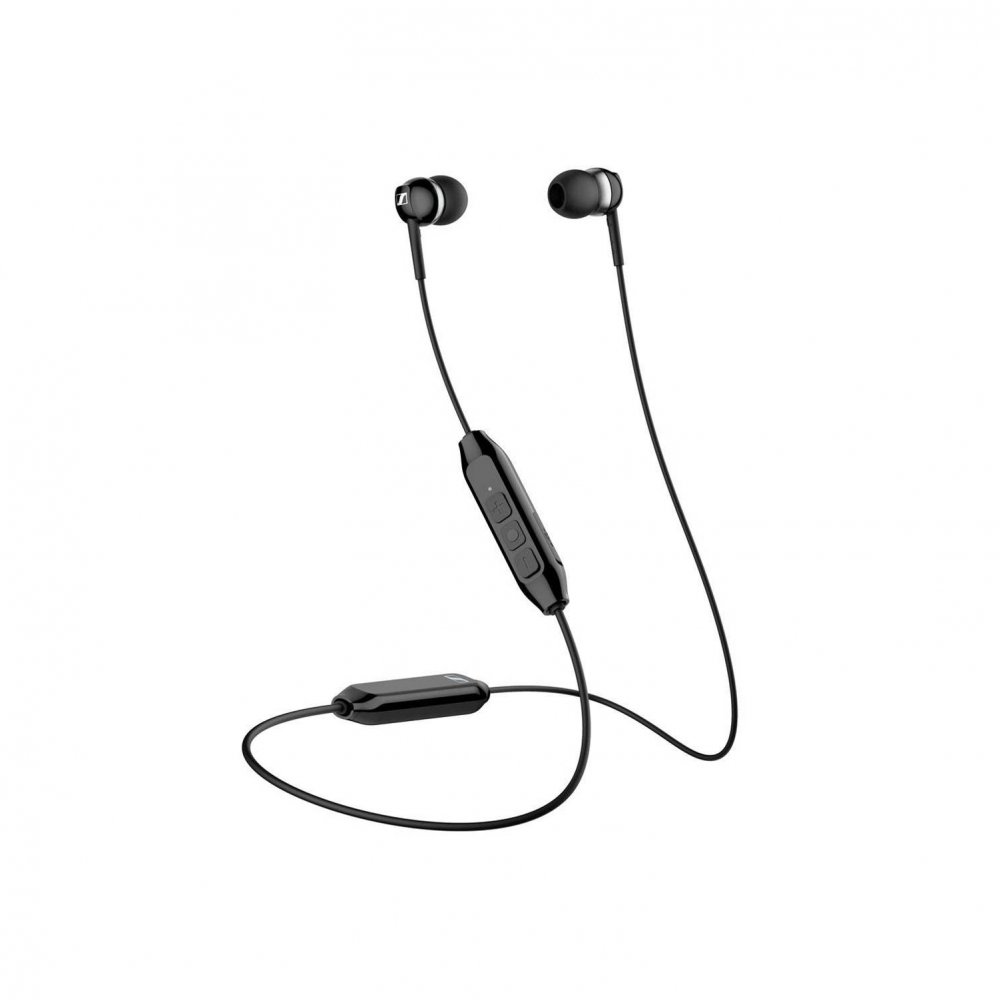
Tribit FlyBuds C1 vs Sennheiser CX 150BT
Advertisement
| Specification | ||
|---|---|---|
| Price | Rs.4,899.62 |
Rs.4,990.00 |
| Brand | Tribit |
Sennheiser |
| Model No | FlyBuds C1 |
CX 150BT |
| Wired / Wireless | Wireless Headphone Specification |
Wireless Headphone Specification |
| Headphone Type | In Ear |
In Ear |
| Magnet Type | Dynamic |
Dynamic |
| Driver Diameter | 6 mm |
9.7 mm |
| Impedance | NA |
28 ohm |
| Sensitivity | NA |
110 dB |
| Frequency Response | 20 Hz - 48000 Hz |
17 Hz - 20000 Hz |
| Maximum Power Input | 5V / 1A |
10 mW |
| Wireless / Bluetooth Details | ||
| Wireless Technology | Bluetooth |
Bluetooth |
| Bluetooth Version | 5.2 |
5.0 |
| Compatible Profiles | All Bluetooth Devices |
All Bluetooth Devices |
| Supported Codecs | aptX™ , AAC ,SBC |
A2DP, AVRCP, HSP, HFP, SBC, AAC |
| Battery Type | Lithium-ion Batteries |
Lithium-ion Polymer Batteries |
| Bluetooth Range | 10 Meters |
10 Meters |
| Battery Life | 50 Hours |
10 Hours |
| Charging Time | 2 Hours |
1.5 Hours |
| Noise Cancelling | CVC |
NA |
| Available Colors | Black |
Black |
| Connector Plating | NA |
NA |
| Cable | USB Type-C Charging Cable |
USB C Charging Cable |
| Weight | 50 Gm |
13 gm |
| Other Features | IPX5 sweat- and weather-resistant. 12 hours of playtime on a single charge. Qualcomm cVc 8.0 noise-cancellation technology. Latest Bluetooth 5.2 with One-Step Pairing: Tribit bluetooth earbuds wireless use the latest Bluetooth 5.2 dual-channel transmission. Immersive Sound and Strong Bass: Tribit Flybuds C1 wireless earbuds employ Qualcomm QCC3040 chip, APTX high-quality audio decoding, up to 48KHz frequency. Up to 50 Hours of Playtime: Get up to 12hrs music playback per charge, and up to 50hrs with the charging case for earbuds wireless headphones. You can use two weeks without charging. Best choice to make phone calls: C1 true wireless earbuds introduce 4 mic CVC 8.0 with noise reduction technology up to 90% of background noise in streets, shops, airports or noisy environment and enhance the voice pick-up. |
2-year warranty. 10-hours of battery life. Superior audio with AAC and SBC codec support. Effortless multi-connection pairing for two devices. Call and music management via three-button remote. Advanced wireless Bluetooth 5.0 technology with seamless connectivity. Designed for comfort with four interchangeable ear tip sizes included for optimal fit and sound isolation. |
Advertisement
Compare Tribit FlyBuds C1 with:
Compare Sennheiser CX 150BT with:
Top Differences
- Battery Life: 10 Hours vs 50 Hours
- Noise Cancelling: NA vs CVC
- Driver Size: 9.7 mm vs 6 mm
- Bluetooth: 5.0 vs 5.2
- Weight: 13 gm vs 50 Gm
Advertisement