 ALERT
ALERT
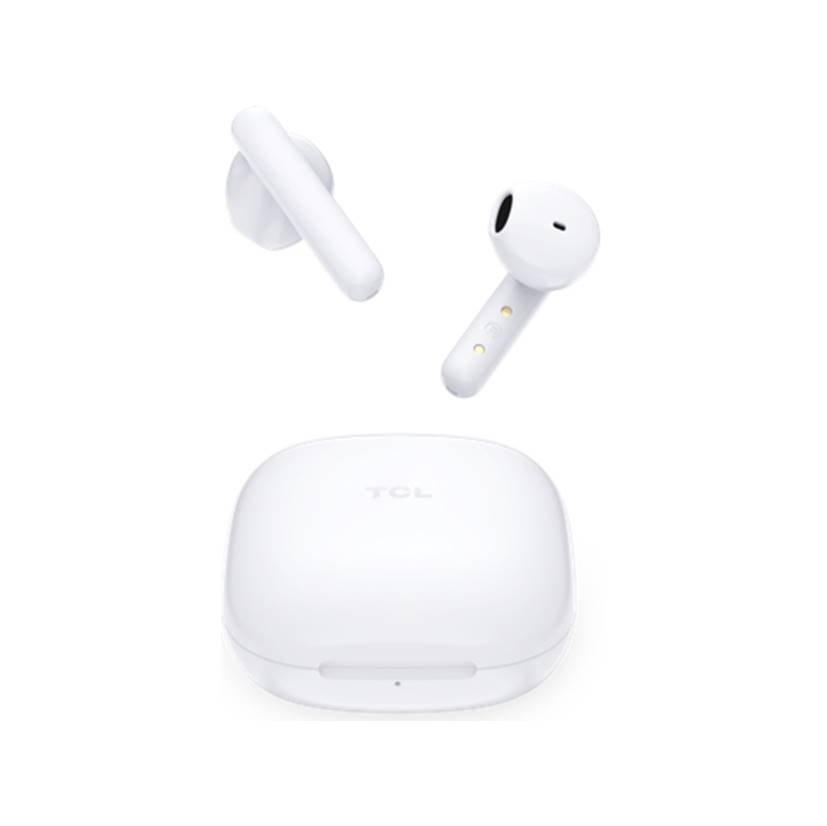
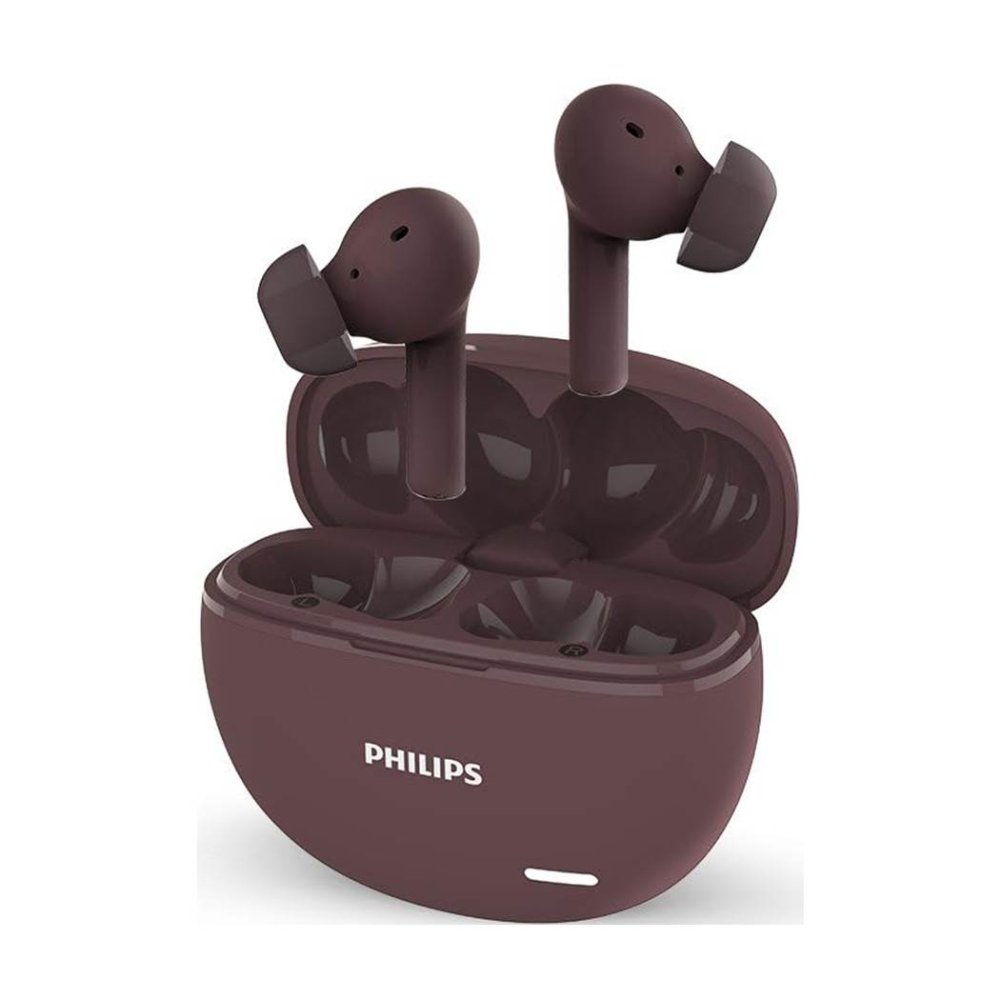
TCL S150 vs Philips TAT1179RD
Advertisement
| Specification | ||
|---|---|---|
| Price | Rs.3,338.79 |
Rs.3,299.00 |
| Brand | TCL |
Philips |
| Model No | S150 |
TAT1179RD |
| Wired / Wireless | Wireless Headphone Specification |
Wireless Headphone Specification |
| Headphone Type | In Ear |
In Ear |
| Magnet Type | Dynamic |
Dynamic |
| Driver Diameter | 13 mm |
10 mm |
| Impedance | 32 ohm |
32 Ohms |
| Sensitivity | 95.5±2.5dB |
97dB@1KHz |
| Frequency Response | 20 Hz - 20 KHz |
20Hz - 20KHz |
| Maximum Power Input | 5V 2A |
10 mW |
| Wireless / Bluetooth Details | ||
| Wireless Technology | Bluetooth |
Bluetooth |
| Bluetooth Version | 5.0+EDR, BLE |
5.3 |
| Compatible Profiles | All Bluetooth Devices |
All Bluetooth Devices |
| Supported Codecs | AAC, SBC |
AAC, SBC |
| Battery Type | Lithium-Ion Batteries |
Lithium-Polymer Batteries |
| Bluetooth Range | 10 Meters |
10 Meters |
| Battery Life | 20 Hours |
7 + 38 Hours |
| Charging Time | 1 Hours |
2 Hours |
| Noise Cancelling | Noise Isolating |
NA |
| Available Colors | White |
Red |
| Connector Plating | NA |
NA |
| Cable | USB Type-C Charging Cable |
USB Type-C Charging Cable |
| Weight | 900 Grams |
42 GM |
| Other Features | The semi-in-ear design brings you the ultimate comfort experience. 1 Year warranty given against any manufacturing defects, physical and water damage does not include in warranty. IPX4 protection guards against water, sweat and dust so you can take Moveaudio S150 on your commute, to the gym and beyond. Moveaudio S150 Bluetooth earbuds bring a truly natural, authentic sound and powerful bass performance with a 13mm large speaker driver. Enjoy wireless stable freedom with Moveaudio S150 Wireless Earphones. The Bluetooth 5.0 wireless earbuds give you an unbreakable connection for music and hands-free calls. With the use of Bluetooth 5.0, your device and wireless earbuds will be inseparable. It provides up to three and a half hours of listening time on a single charge and up to 20 hours with the charging case for an unlimited audio experience. When you’re in a rush and need power fast, simply charge for 15 minutes and get up to 1 hour of playtime. |
Long-Lasting Battery : Enjoy up to 45 hours of playtime with the compact charging case. Durable & Portable : IPX4 splash and sweat resistance; pocket-sized charging case for easy carrying. Reliable Connectivity : Solid Bluetooth connection ensures clear calls and seamless music streaming. Comfortable Fit : Designed for a snug fit with interchangeable silicone ear tips and easy on-ear touch controls. High-Quality Sound : Experience warm, natural sound with Philips' signature audio, including deep bass from 10 mm drivers. |
Advertisement
Compare TCL S150 with:
Compare Philips TAT1179RD with:
Top Differences
- Battery Life: 20 Hours vs 7 + 38 Hours
- Noise Cancelling: Noise Isolating vs NA
- Driver Size: 13 mm vs 10 mm
- Bluetooth: 5.0+EDR, BLE vs 5.3
- Weight: 900 Grams vs 42 GM
Advertisement