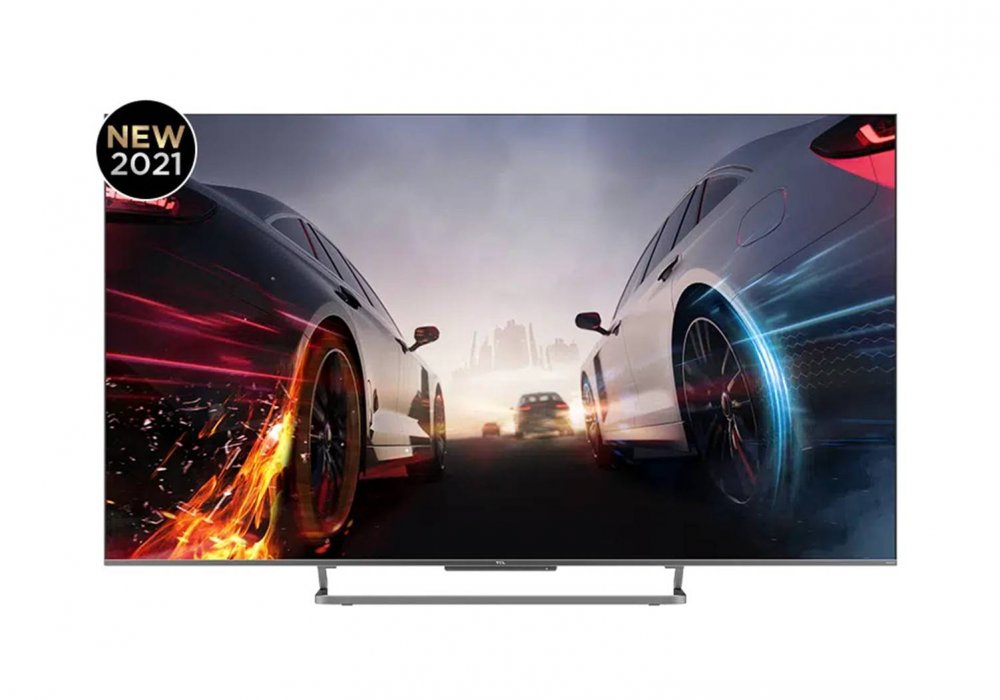
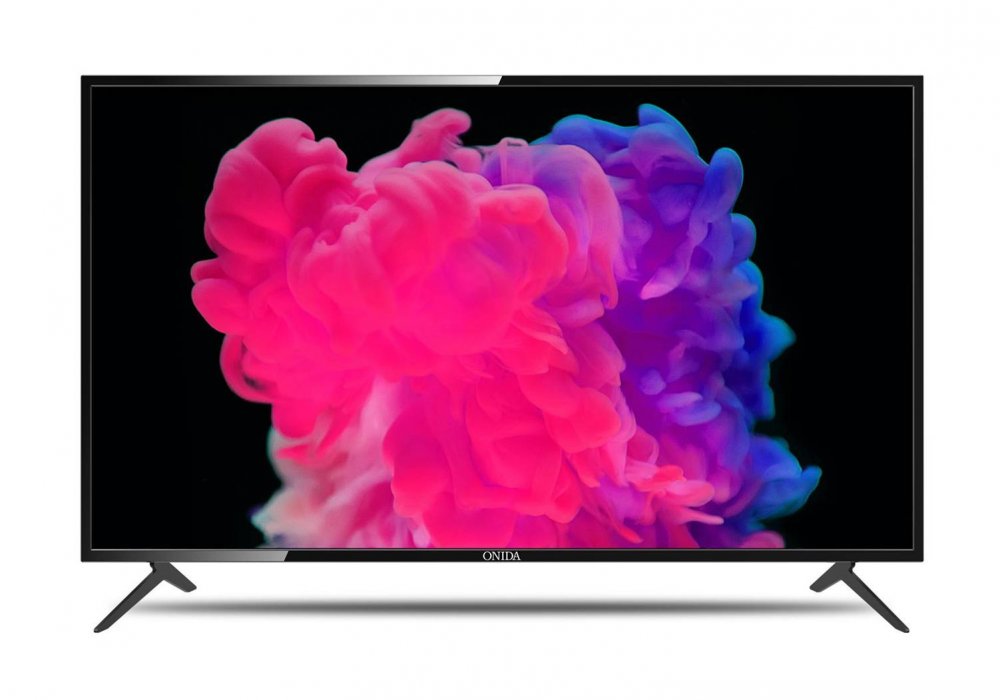
| Model No |
55C728 |
55UIB1 |
| TV Type |
Android TV |
Android TV |
| Screen Size |
55 Inch (139 cm) |
55 Inch (139 cm) |
| Resolution |
4K 3840 x 2160 |
4K 3840 x 2160 |
| Aspect Ratio |
16:9 |
16:9 |
| Motion Rate |
120 Hz |
60 Hz |
| Viewing Angle |
178°/178° |
178°/178° |
| USB |
| USB Version |
: 2.0 |
| Supported Audio Formats |
: MP3, WMA, AC4 |
| Supported Video Formats |
: H.265, H.264, MPEG2/4, VC1, VP9 |
| Supported Picture Formats |
: JPEG, PNG, BMP |
|
| USB Version |
: 2.0 |
| Supported Audio Formats |
: MP3, AAC, WMA |
| Supported Video Formats |
: AVI, MKV, WMV, MP4, M4V, FLV, 3GPP, VRO, VOB |
| Supported Picture Formats |
: JPG, JPEG |
|
| Video |
| Backlight |
: QLED |
| Contrast |
: 5000:1 |
| Screen Class |
: A+ |
| Dolby Vision IQ |
: Yes |
| HDR 10+ |
: Yes |
| HLG |
: Yes |
| AIPQ Engine With AI SR |
: Yes |
| Local Dimming |
: Full Array Local Dimming |
|
| Backlight |
: LED |
| Brightness |
: 350 cd / ㎡( Typ ) |
| Contrast Ratio |
: 1200:1( Typical ) 800:1( Min ) |
| Colors |
: 16.7 M Colours |
| Panel Type |
: ADS LED Panel |
| Picture Modes |
: User / Standard / Dynamic / Soft / Vivid |
| Analog TV Reception |
: PAL / SECAM / AUTO / NTSC/ BG / I / DK |
|
| Audio |
| Audio Output ( RMS ) |
: 2 x 12 W |
| Dolby Audio |
: Yes |
| DTS |
: Yes |
| Speakers |
: Integrated Speaker Boxes ( Bottom Side ) |
|
| Audio Output ( RMS ) |
: 8 W + 8 W |
| Number of Speakers |
: 2 |
| Bass / Treble Equalizer Balance |
: Yes |
| Surround Sound |
: Yes |
| Other Audio Features |
: Auto Volume Leveller ( RF Only ) |
| Sound Mode |
: User / Standard / Music / News / Theater |
|
| Connectivity Options |
| HDMI |
: 4 |
| HDMI Version |
: 1.4 x 3 & 2.1 x 1 |
| USB 2.0 |
: 2 |
| BlueTooth |
: 5.0 |
| Ethernet |
: Yes |
| Audio Output ( RCA ) |
: Yes |
| AV Input |
: Yes |
| eARC |
: Yes |
| RF Input |
: Yes |
| Wi-Fi Connectivity |
: 2.4 GHz / 5 GHz Dual - Band Wi-Fi 802.11 b / g / n 2T2R |
|
| HDMI |
: 3 |
| USB |
: 2 |
| VGA |
: Yes |
| Component |
: Yes |
| PC- Audio |
: Yes |
| RF Input |
: Yes |
| Ethernet ( RJ45 ) |
: Yes |
| Built In Wi-Fi |
: Yes |
| AV Input |
: 1 Yes |
| AV Output |
: 1 Yes |
| Other Internet Features |
: Google Play |
|
| Smart TV Features |
| Operation System |
: Certified By Google Android 11 TV |
| CPU |
: 64-bit CA73*4 |
| GPU |
: G52 |
| Voice Control |
: Yes |
| Works With Alexa |
: Yes |
| With Google Assistant |
: Yes |
| Google Assistant Built-In |
: Yes |
| ECO Mode |
: Yes |
| Hands-Free Voice Control |
: Yes |
| Game Center |
: Yes |
| Online Video |
: Yes |
| Video Chat |
: Yes |
| Dual Display |
: Yes |
| Gesture Control |
: Yes |
| Mirroring |
: Yes |
| Magiconnect |
: Yes |
| TV Dashboard |
: Yes |
| App Store |
: Google Play Store |
|
| Operating System |
: Android 7 |
| CPU |
: Multi Core A73 |
| GPU |
: MALI 450 |
| RAM |
: 1 GB |
| ROM |
: 8 GB |
| Supported App - Youtube |
: Yes |
| Operating System Present |
: Yes |
| Screen Mirroring |
: Yes |
| Pre Installed Browser |
: Yes |
| Play Store |
: Yes |
| App Store Type |
: Google |
| Supported Mobile Operating System |
: Android |
| Content Providers |
: Browser, Dropbox, Mcast (Miracast), Media Player, Onida Aircon, Play Store, Skype, You Tube |
|
| Other Features |
| ALLM |
: Yes |
| VRR |
: Yes |
| CEC |
: Yes |
| EPG |
: Yes |
| Freesync |
: Yes |
| Subtitle |
: Yes |
| PVR / Timeshift |
: Yes |
| Vesa Wall Mount Support |
: Yes |
| Flat / Curved |
: Flat |
|
| Number Of Programs |
: 200 |
| Sleep Timer |
: Yes |
| RF Capable |
: Yes |
| Other Convenience Features |
: Yes |
| Multi Media Player |
: Yes |
| Local Keyboard |
: 5 Key JOYSTICK |
| Colour Temperature |
: Normal, Cool, Warm |
| OSD Languages |
: ENGLISH + Selected Indian Languages |
|
| General Details |
| Power Supply (Voltage, Hz) |
: AC 100 V - 240 V 50 / 60Hz |
| Power Consumption |
: NA |
| Power Consumption Standby |
: u22640.5 W |
| Stand Basic ( Width x Depth ) |
: 571 mm x 302 mm |
| Wall Mount Size |
: 300 mm X 300 mm |
| Weight Without Stand |
: 12.8 Kg |
| Weight With Stand |
: 13.6 Kg |
| Packaging Weight |
: 17.6 Kg |
|
| Power Requirements |
: AC 100 - 240 V, 50/60 Hz |
| Power Consumption |
: 150 W |
| Power Consumption Standby |
: 0.5 W |
| Product Weight |
: 14.1 Kg +/-0.3 Kg |
| Gross Weight |
: 15.6 Kg +/- 0.5 Kg |
|
| Supplied Accessories |
| Remote Control |
: Yes |
| 2 AAA Batteries |
: Yes |
| User Manual |
: Yes |
|
| Remote Control |
: Yes AIR MOUSE AM003 |
| Batteries |
: Yes |
| User Manual |
: Yes |
| Warranty Card |
: Yes |
| Table Top Stand |
: Yes |
| Wall Mount |
: Yes |
|
 ALERT
ALERT